Oil Prices Drop 5.5% as US-Iran Peace Deal Nears
Hope is rising for an end to the US-Iran conflict that has disrupted global energy markets since late February. Negotiators say they have a strong agreement on the table that could reopen crucial shipping routes and bring stability back to world oil supplies.
After weeks of tense negotiations, the world may soon see peace between the United States and Iran, bringing relief to global energy markets and the millions affected by rising costs.
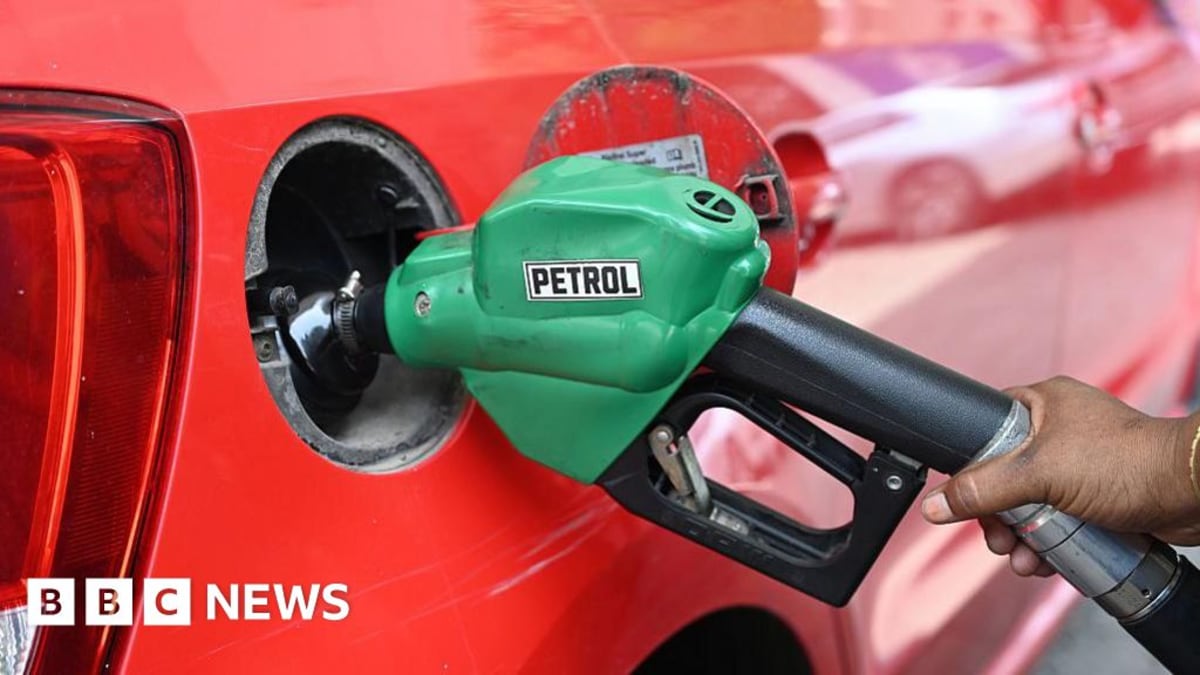
US Secretary of State Marco Rubio announced Monday that negotiators have a "pretty solid thing on the table" and an agreement could be reached as soon as today. The news sent oil prices tumbling 5.5%, with global benchmark Brent crude falling to $97.90 a barrel.
The conflict, which began on February 28, effectively closed the Strait of Hormuz, a narrow waterway that normally carries about a fifth of the world's oil and liquefied natural gas. That closure sent shockwaves through global supply chains and drove oil prices up from around $70 a barrel to over $100.
President Trump said the negotiations are "proceeding nicely" and confirmed the deal would include reopening the strategic shipping route. He's been working the phones with leaders from Saudi Arabia, the United Arab Emirates, Qatar, Turkey, and Egypt, as well as Israeli Prime Minister Benjamin Netanyahu.
Iran's foreign ministry spokesman Esmail Baqai confirmed that agreement has been reached on a "large portion of the issues under discussion," though he cautioned that finalizing the deal will take more time. A ceasefire was already agreed in early April, and these talks aim to secure lasting peace.
The Ripple Effect goes far beyond lower gas prices at the pump. Japan's stock market surged 3% on the news, pushing the Nikkei 225 above 65,000 for the first time ever. Countries like Japan and South Korea, which rely heavily on Gulf energy imports, have been particularly hard hit by the disruption.
Energy expert Saul Kavonic from MST Financial notes there's now "light at the end of the tunnel" for near-term oil price relief. Even in the best case, however, it will take time to fully restore normal operations, repair damaged facilities, and rebuild depleted global oil stocks.
Shipping companies remain cautiously optimistic. Lars Jensen, CEO of Vespucci Maritime, expects vessels stuck in the Persian Gulf will try to leave first, while companies will be hesitant to send new ships in until they're confident the peace will hold. Potential sea mines and other hazards mean supply chains could take months to fully recover.
Peace would mean more than just economic relief for the region and the world watching anxiously from afar.
More Images


Based on reporting by Google News - Peace Agreement
This story was written by BrightWire based on verified news reports.
Spread the positivity!
Share this good news with someone who needs it