Armenia and Azerbaijan Resume Trade After Years of Conflict
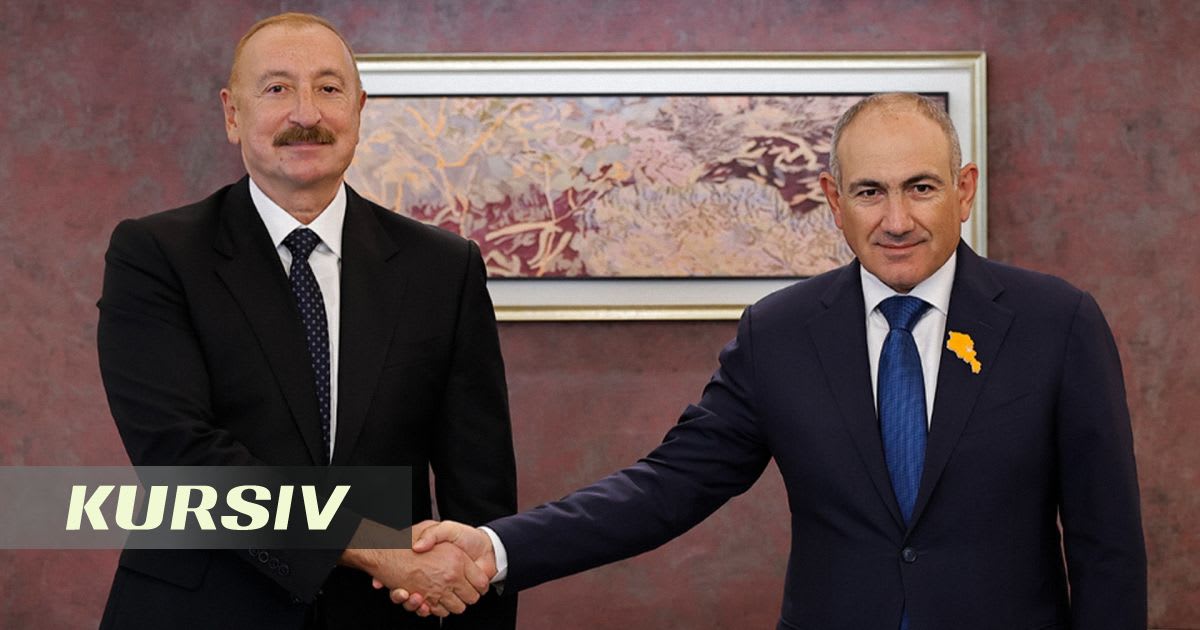
After decades of tension, Armenia and Azerbaijan have begun trading again with $5.75 million in exports flowing between the two nations in early 2026. The modest numbers represent something much bigger: the first economic bridge between two countries learning to build peace.
Two countries that haven't spoken in years are finally doing business together, and it might just change everything for the South Caucasus region.
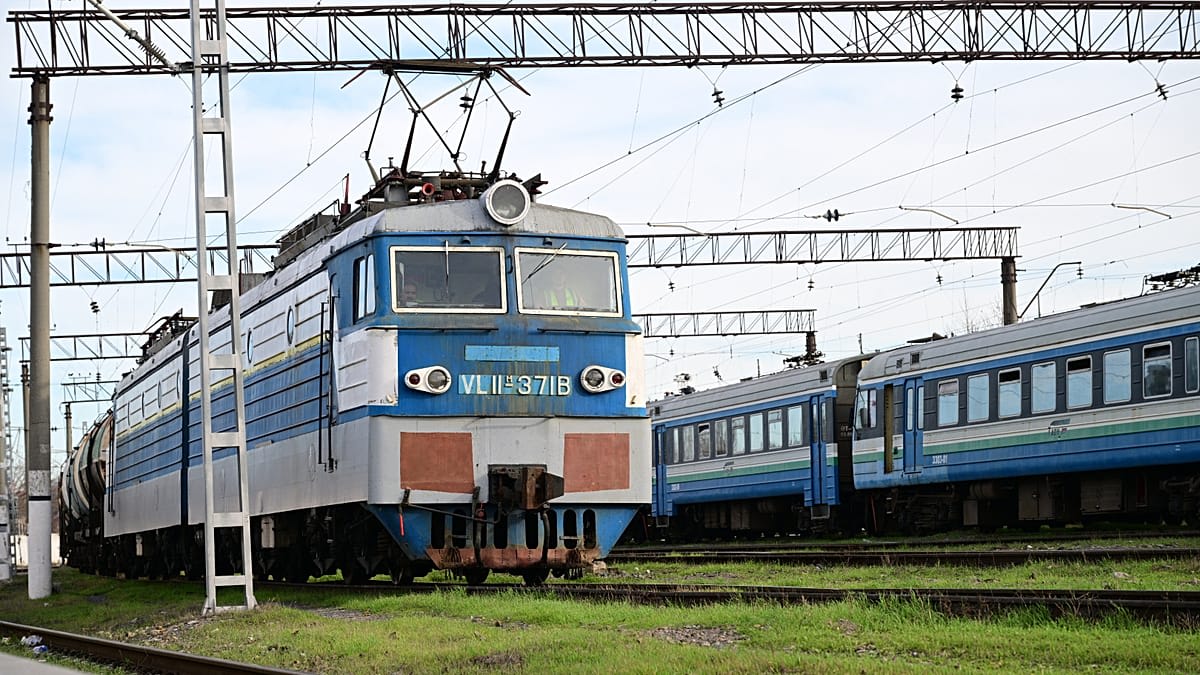
Armenia and Azerbaijan recorded their first significant trade in decades during the first quarter of 2026. Azerbaijan's customs data shows $5.75 million in exports to Armenia, marking a quiet but powerful shift in a region long defined by conflict.
The numbers alone don't tell the full story. These two nations have barely exchanged goods or services for generations, their relationship frozen by regional tensions and the scars of war. Any economic contact at all is news worth celebrating.
Bako Kheladze, a researcher at The Irregular Warfare Initiative run by Princeton University and West Point, sees this as more than just transactions. "This represents more than just an economic figure," he explains. "It is a positive signal toward building bridges of trust between nations."
The data only captures one side so far. Armenia hasn't released corresponding import figures, so the complete picture remains unclear. But even incomplete evidence of trade marks real progress in a place where silence has been the norm.
The Ripple Effect
History suggests these small economic steps can lead to lasting peace. Post-war Europe rebuilt itself partly through trade, turning former enemies into partners. The South Caucasus might be writing its own version of that story.
Nourhan El-Bayaa, a professor at Istanbul Aydin University who consults for the United Nations Development Programme, places this development in a broader peace-building context. "One of the first and most obvious signs that political conflicts may be giving way to practical agreement is frequently economic contact," she says.
But she's also realistic about the challenges ahead. The trade needs institutional support, transparent systems, and political commitment to grow beyond symbolic gestures. Without those foundations, the progress could stall.
The timing matters too. These economic contacts are emerging alongside wider diplomatic efforts aimed at improving regional communication and connectivity. Trade and dialogue are reinforcing each other.
Experts remain cautious but hopeful. The volumes are still small and need confirmation over time. Political settlements can't be replaced by trade alone, but economic ties create incentives for stability that pure diplomacy sometimes can't.
For people living in both countries, this represents something simple yet profound: the possibility that their children might grow up in a region defined by cooperation instead of conflict.
More Images



Based on reporting by Euronews
This story was written by BrightWire based on verified news reports.
Spread the positivity!
Share this good news with someone who needs it