US and China Create Trade Councils to Cut Tariffs
The world's two largest economies just agreed to establish new councils aimed at reducing tariffs and expanding trade, marking a major step forward after years of economic tension. The deal includes breakthroughs on farm products and aircraft manufacturing.
After years of escalating trade tensions, the United States and China just took a historic step toward economic cooperation by establishing new trade and investment councils.
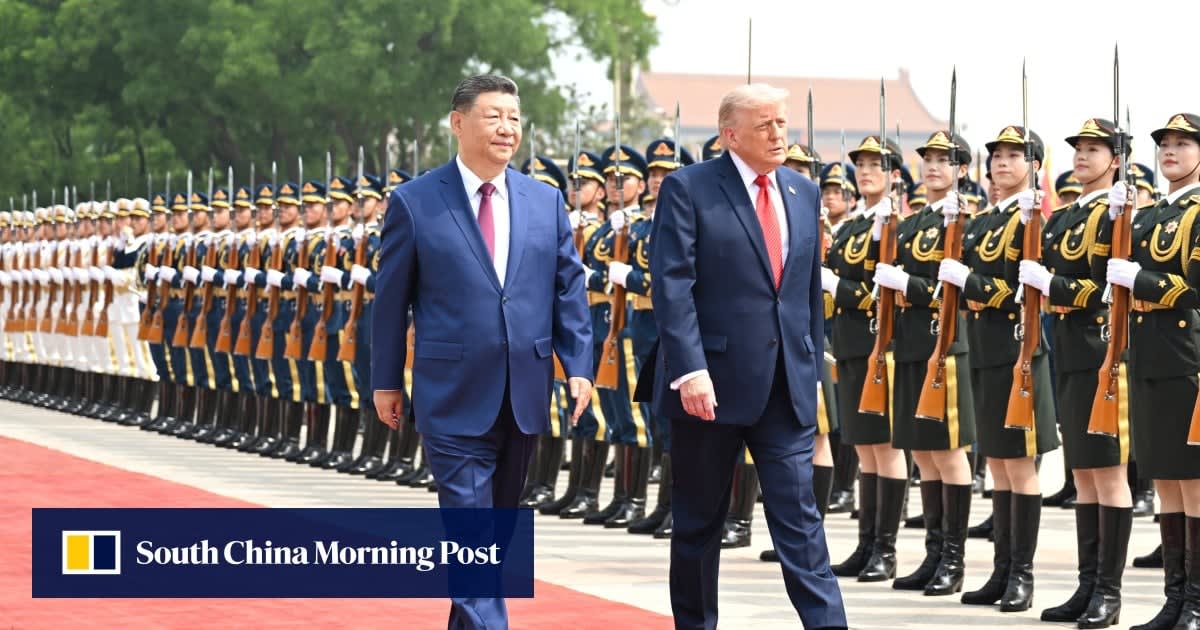
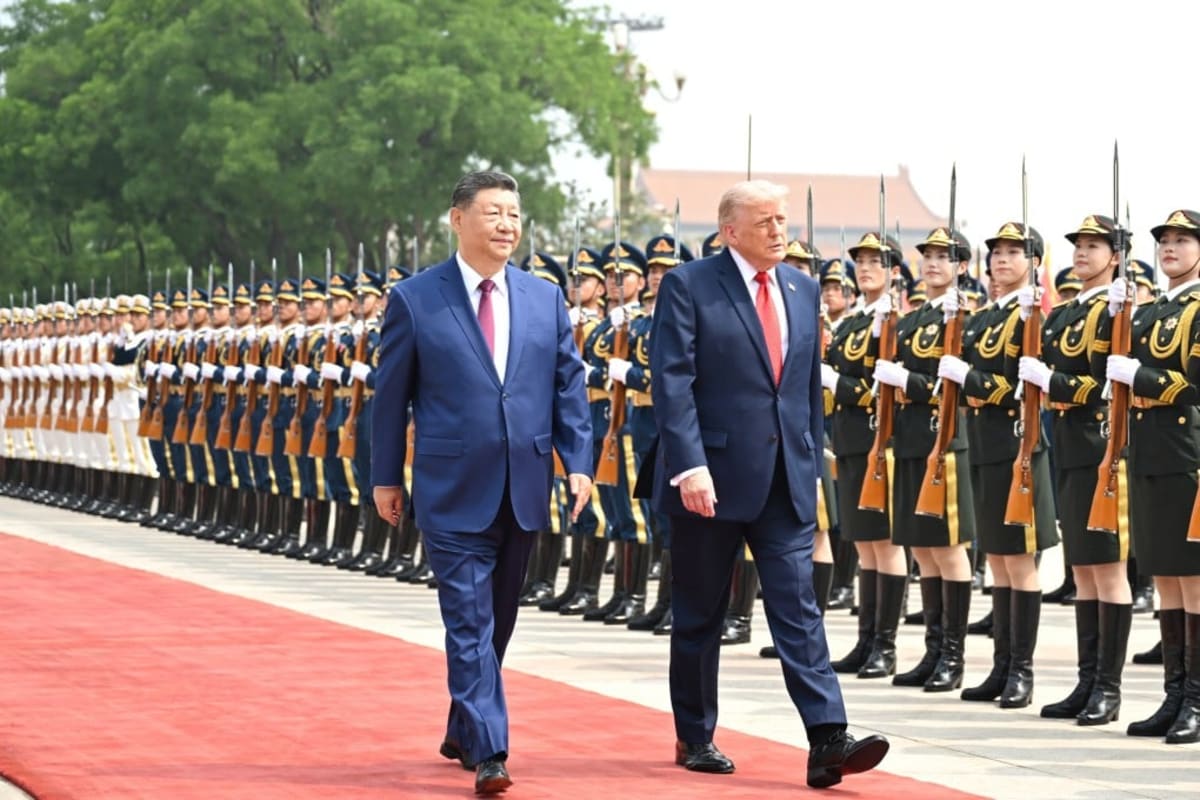
The breakthrough came after a summit between President Xi and President Trump in May 2026. Both nations committed to matching each other's tariff cuts on a reciprocal basis, creating a framework for ongoing dialogue through the newly formed Trade Council.
The councils will serve as forums where officials can discuss specific tariff reductions product by product. This structured approach replaces the unpredictable cycle of tariff increases that dominated relations between the two economic giants in recent years.
American farmers and Chinese consumers are among the first winners. The countries agreed to reduce barriers on farm goods including Chinese seafood and dairy products, plus American beef and poultry. Both sides also committed to expanding two-way agricultural trade through targeted tariff reductions.
The aviation industry received equally positive news. China agreed to purchase US aircraft while America guaranteed the supply of jet engines and components to Chinese manufacturers. The countries pledged to continue advancing cooperation in aerospace, an industry that employs hundreds of thousands of workers in both nations.
The Ripple Effect
This agreement reaches far beyond Washington and Beijing. American ranchers in states like Texas and Nebraska gain expanded access to the world's most populous market. Chinese families get more affordable imported food options. Factory workers on both sides of the Pacific can look forward to steadier employment as trade stabilizes.
The new dispute resolution board offers something equally valuable: predictability. Companies can now plan investments and expansion knowing there's a formal process for addressing trade conflicts before they spiral into economically damaging tariff wars.
Trade experts note the councils create ongoing communication channels that didn't exist before. Regular dialogue makes it harder for minor disagreements to explode into major crises that hurt workers and consumers in both countries.
For the global economy, the timing couldn't be better. Stable US-China trade relations help anchor international commerce and give other nations confidence to make long-term economic plans.
The world's two largest economies just chose cooperation over conflict, and millions of people will benefit from that choice.
More Images
Based on reporting by South China Morning Post
This story was written by BrightWire based on verified news reports.
Spread the positivity!
Share this good news with someone who needs it