Army Vet Beats Esophageal Cancer With Simple Screening
A Colorado veteran's "bad acid reflux" turned out to be early-stage esophageal cancer, but a quick screening test caught it in time. His story shows how newer, non-invasive screenings are saving lives from one of the deadliest cancers.
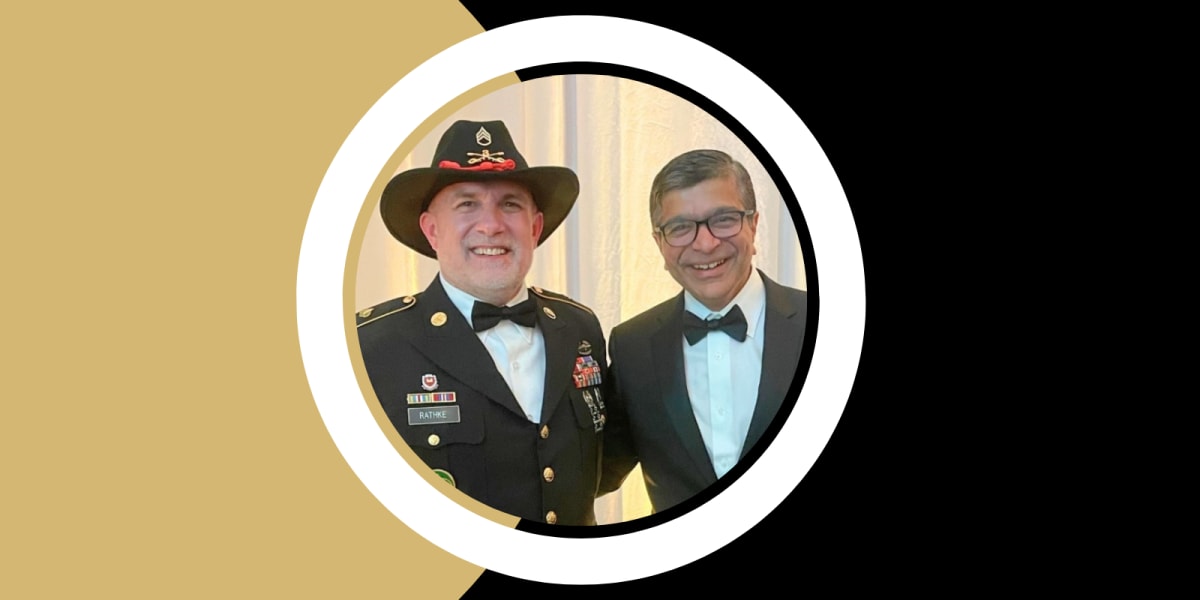
Dan Rathke thought his nighttime heartburn was just severe acid reflux. A simple five-minute test in his doctor's office revealed early-stage esophageal cancer and saved his life.
The Colorado Springs father of five and Army veteran had been experiencing heartburn severe enough to wake him at night. His primary care doctor diagnosed gastroesophageal reflux disease and recommended a relatively new screening test that doesn't require sedation or invasive procedures.
The test uses a small capsule attached to a thin tube that patients swallow. Once in the stomach, a textured balloon inflates to collect cells from the esophagus, then deflates for easy removal. The entire process takes just minutes in a regular doctor's office.
Rathke's results showed abnormal cells. A follow-up endoscopy with Dr. Sachin Wani at the University of Colorado Anschutz Cancer Center confirmed early-stage esophageal adenocarcinoma, one of the most aggressive cancer types with typically poor survival rates.
"It was a godsend that my provider had the insight to say, 'Hey, you should get checked out,'" Rathke says. "Otherwise I might not be sitting here today."
Wani removed the cancer during the same appointment using endoscopic mucosal resection. The cancer was confined to the top layers of Rathke's esophagus and hadn't spread to deeper tissue, lymph nodes, or other organs.
"When the report came back, Dr. Wani called me personally and said, 'You're clear. There was no deep tissue cancer. You're good,'" Rathke recalls.
Why This Inspires
Esophageal adenocarcinoma ranks among the top three cancers with the lowest five-year survival rates. Less than 10% of esophageal cancer patients have had prior screening, according to Wani.
Rathke's case shows how early detection transforms outcomes for typically deadly cancers. He spent 20 years in the Army with four combat deployments and was exposed to military burn pits, a known cancer risk factor.
Today, Rathke is cancer-free and recently welcomed his third grandchild. He now shares his story to encourage others experiencing persistent heartburn to get screened.
"Dr. Wani saved my life," he says. "He allowed me to be with my children, to see my grandchildren grow, and to be with my amazing wife."
New non-invasive screening technologies like the one that caught Rathke's cancer are making early detection more accessible and less intimidating for patients who might otherwise delay testing.
Based on reporting by Google News - Cancer Survivor
This story was written by BrightWire based on verified news reports.
Spread the positivity!
Share this good news with someone who needs it