Artemis 2 Crew Captures Stunning Moon Flyby Photos
Four astronauts just completed humanity's first moon flyby in over 50 years, and their breathtaking photos are giving scientists new insights while reminding us all how incredible space exploration can be. The Artemis 2 crew spent Monday circling the far side of the moon, documenting features never before seen by human eyes in sunlight.
For the first time since 1972, humans have witnessed the far side of the moon up close, and the photos they brought back are absolutely spectacular.
NASA astronauts Reid Wiseman, Victor Glover, Christina Koch, and Canadian astronaut Jeremy Hansen flew around the moon on Monday, capturing images that blend scientific discovery with pure wonder. Their journey marks a historic milestone as we move closer to establishing a permanent human presence beyond Earth.
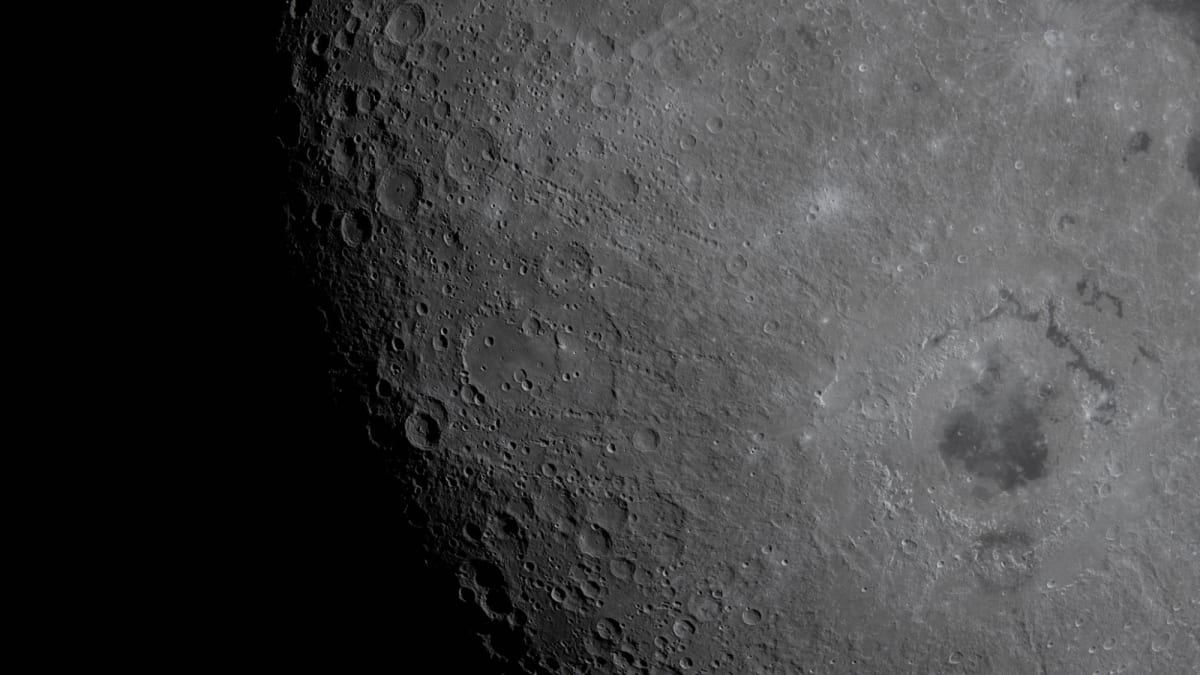
The crew photographed the Orientale Basin, a 600-mile-wide feature nicknamed the "Grand Canyon of the moon." Human eyes had never seen this massive impact site in sunlight before, and Commander Wiseman radioed back his amazement at how perfectly circular it appeared, looking like "a kiss on the far side of the moon."
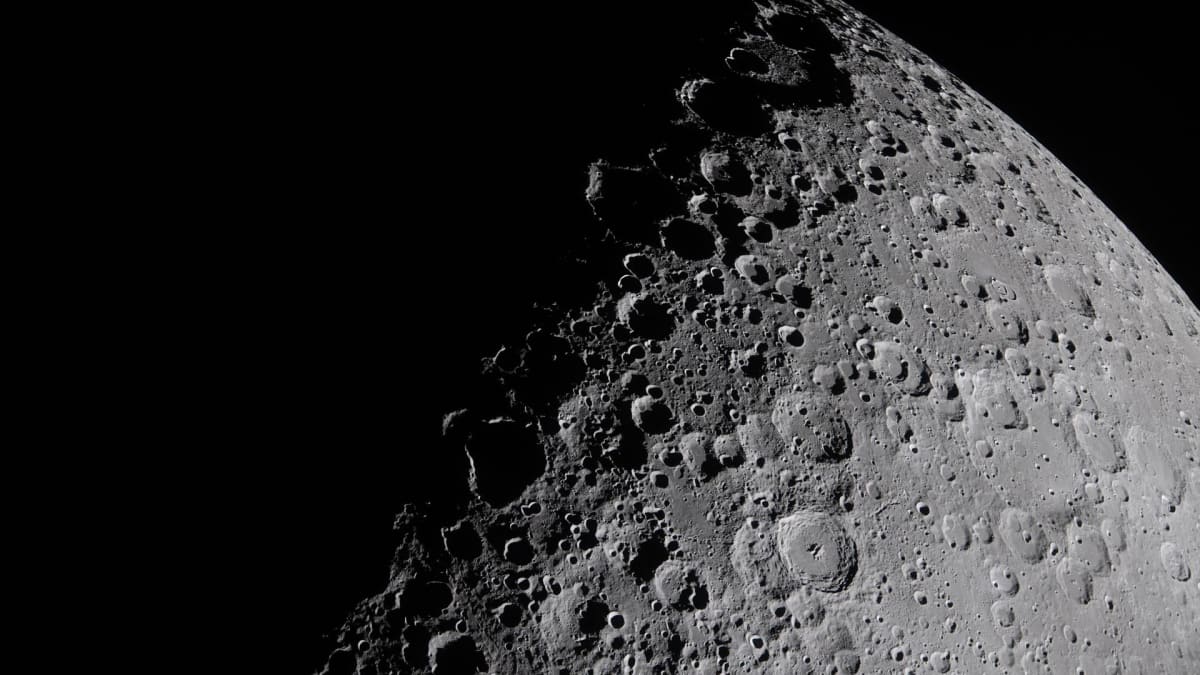
Glover found himself captivated by the lunar terminator, the boundary line between day and night on the moon's surface. "There's just so much magic in the terminator," he told Mission Control, describing valleys that looked like "black holes" and islands of light creating a visually stunning landscape.
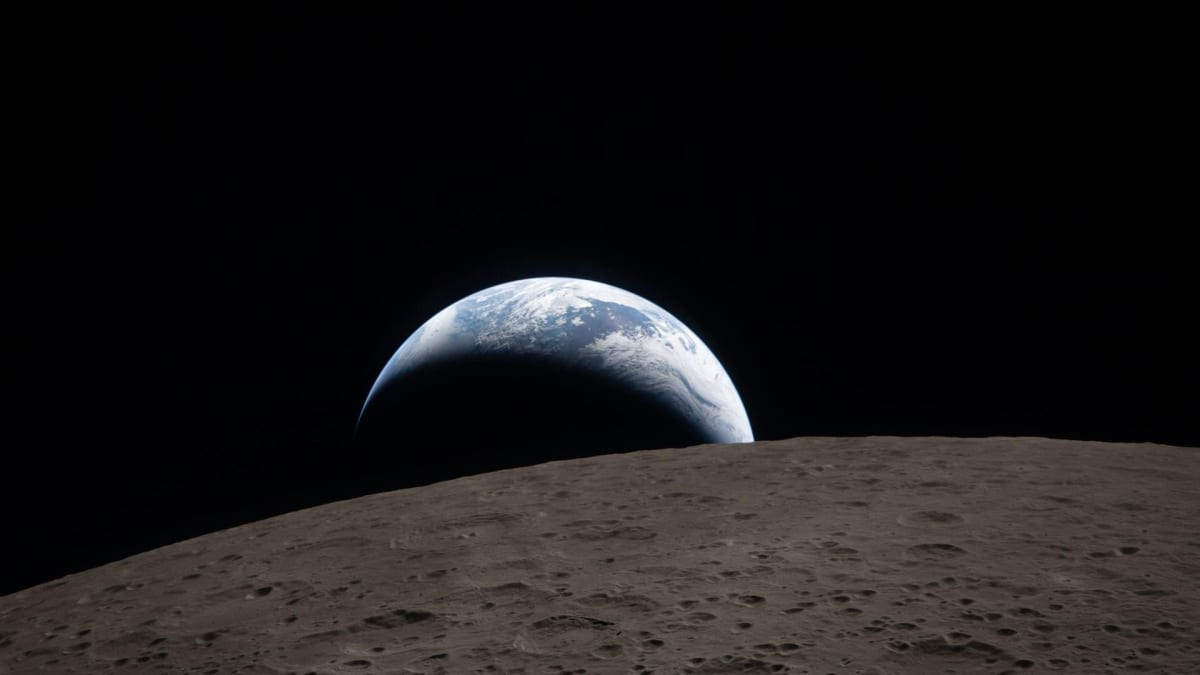
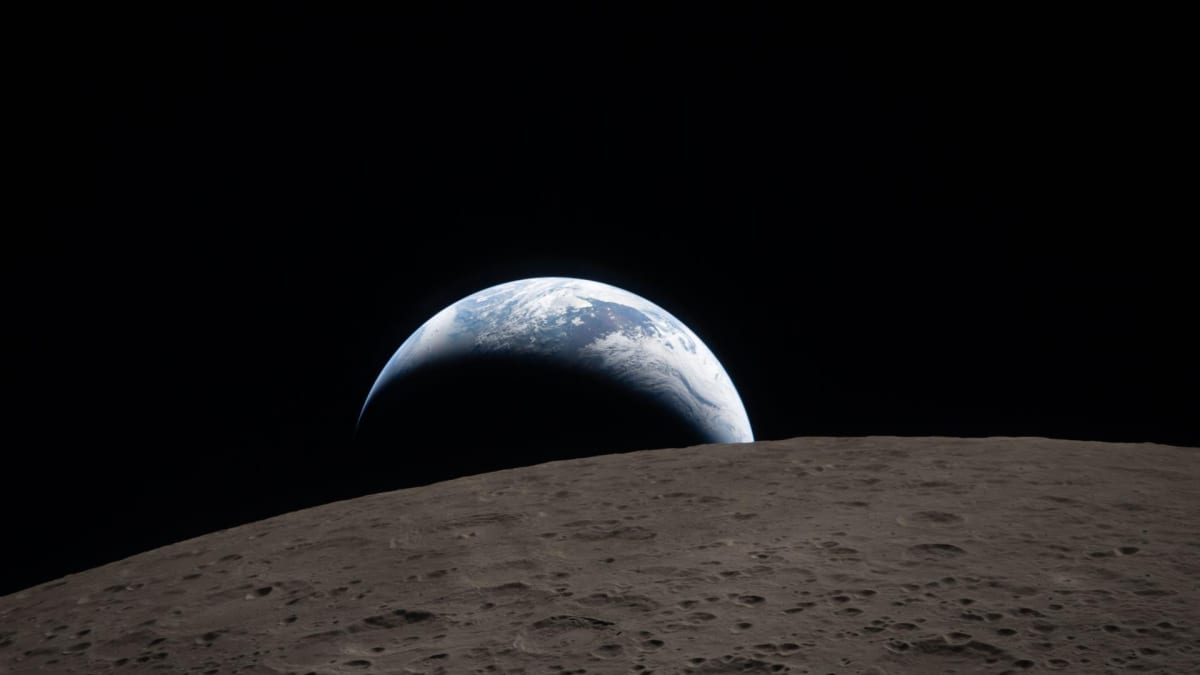
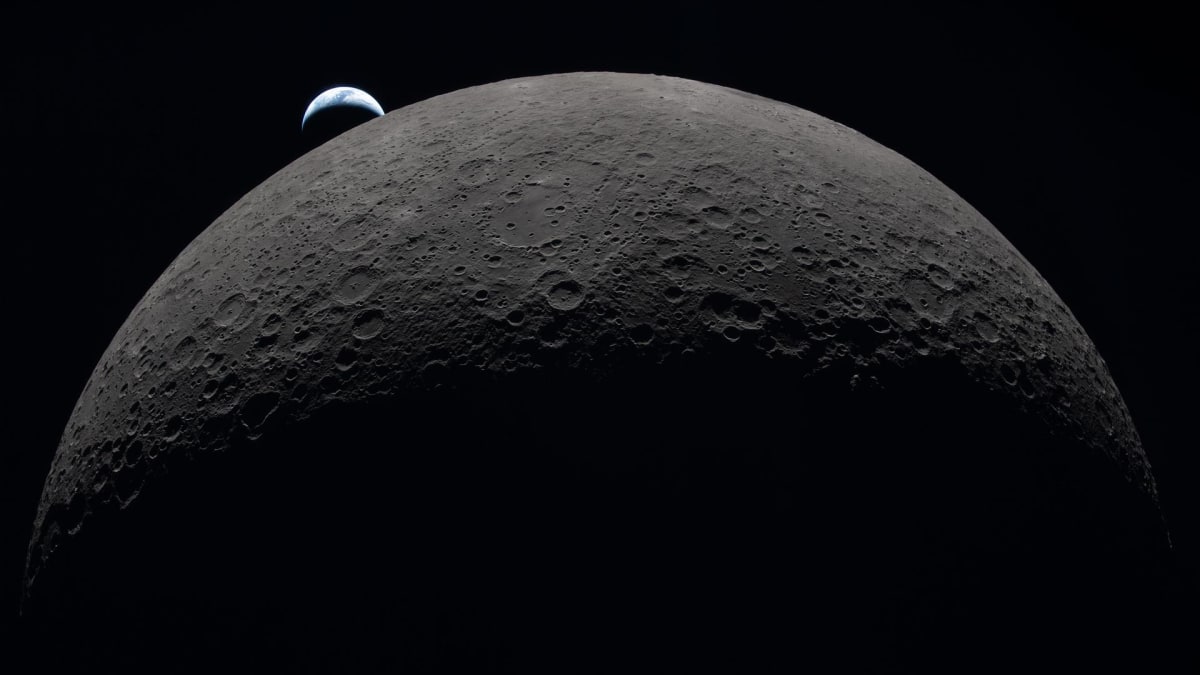
The astronauts also captured stunning shots of Earth itself, appearing tiny and crescent-shaped above the moon's horizon. These "Earthset" photos offer a perspective that flips our usual view, making our home planet look small and fragile against the lunar landscape.
Perhaps the most unique moment came when the crew witnessed a total solar eclipse from beyond the moon. Unlike eclipses seen from Earth that last minutes, this one stretched for 54 minutes because of their trajectory. They even captured Venus shining brightly beside the eclipsed sun.
Why This Inspires
These aren't just pretty pictures. The Artemis 2 crew photographed the South Pole-Aitken Basin, the largest confirmed impact crater in our solar system, stretching over 1,550 miles across. This region holds water ice in permanently shadowed craters, resources that NASA plans to use for lunar bases in the 2030s.
The mission shows how far we've come and how much further we're going. After five decades away from the moon, we're not just visiting anymore. We're preparing to stay, to build, and to use the moon as a stepping stone for even greater journeys.
The crew's detailed observations are already helping scientists better understand lunar geology and evolution. What started as a flyby mission has delivered both scientific data and a renewed sense of wonder about what humans can achieve when we reach for the stars.
Fifty-four years after the last moon flyby, we're back, and this time we're just getting started.
More Images
Based on reporting by Space.com
This story was written by BrightWire based on verified news reports.
Spread the positivity!
Share this good news with someone who needs it