Artemis 2 Crew Spots Meteorites Smashing Into Moon
NASA astronauts on the Artemis 2 mission witnessed something incredible: meteorites crashing into the Moon's surface in real time, causing mission control to erupt in cheers. The unexpected observations are already helping scientists plan safer future lunar bases.
Imagine circling the Moon and watching space rocks slam into its surface right before your eyes.
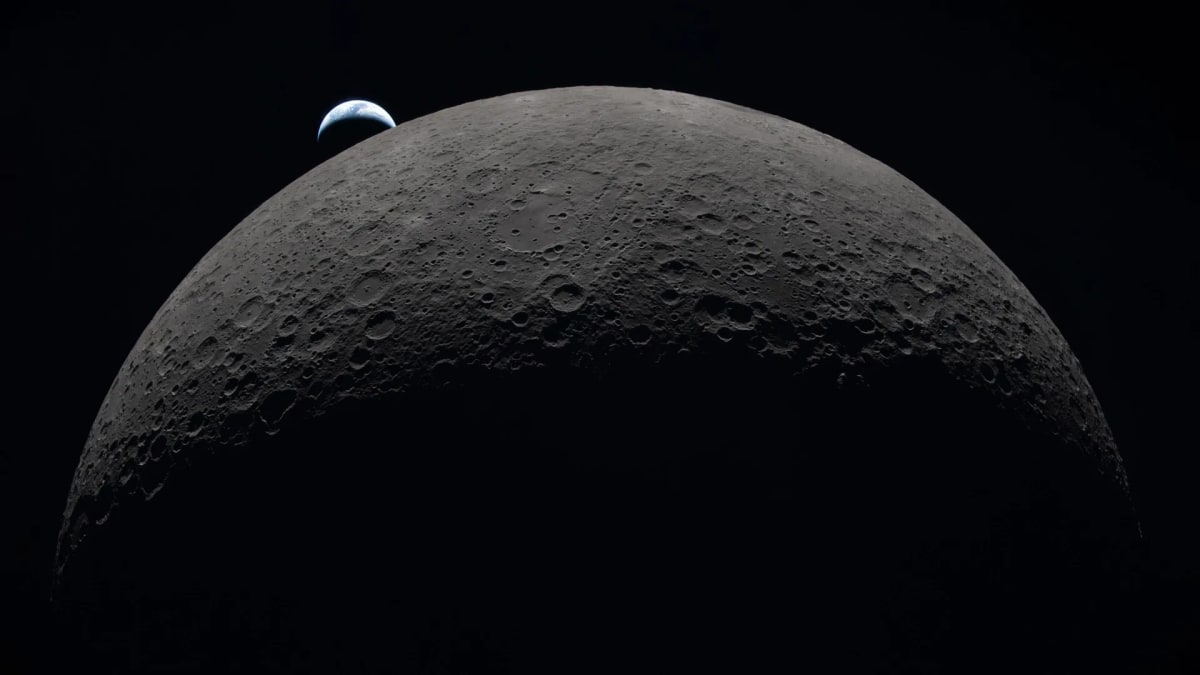
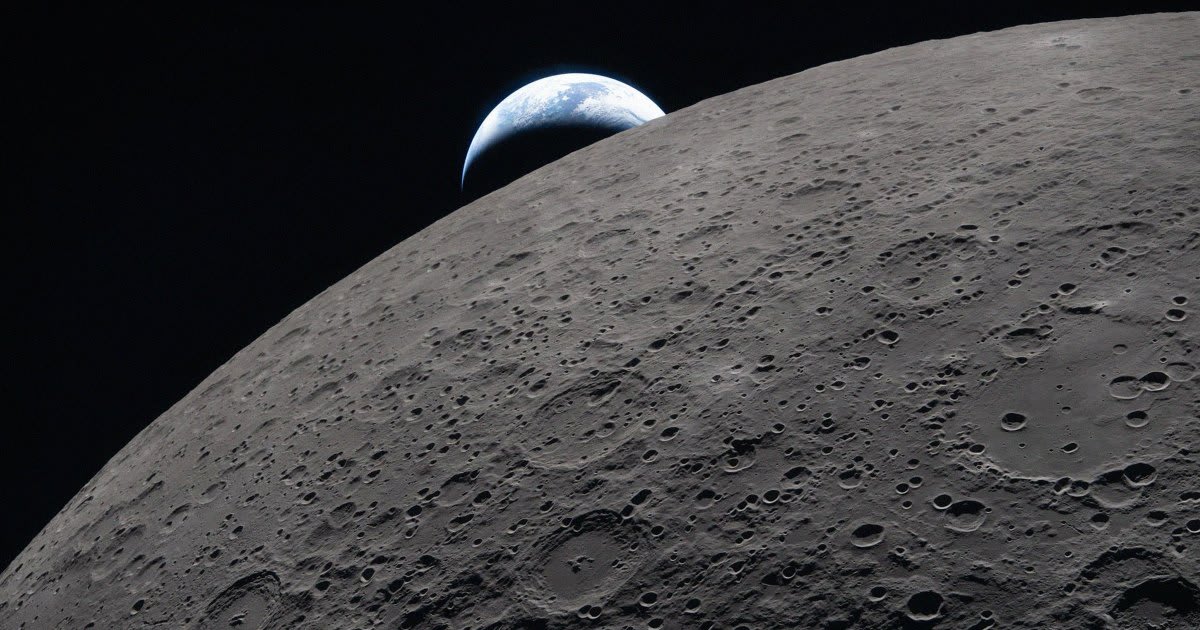
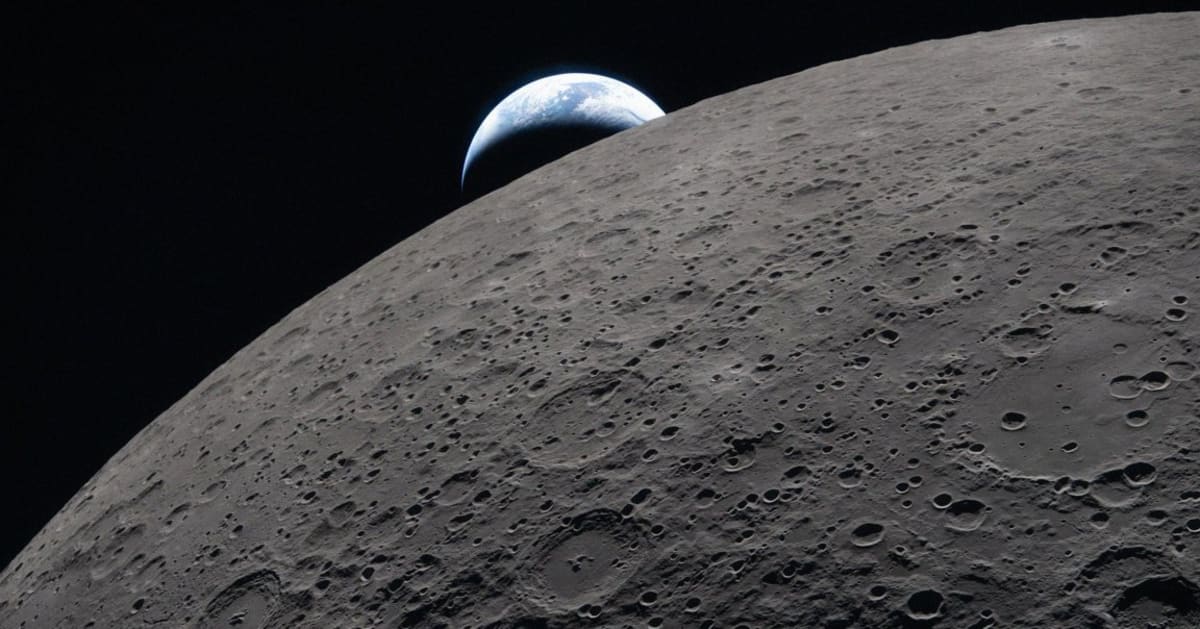
That's exactly what happened to the Artemis 2 crew this week as they broke the record for the farthest humans have ever traveled from Earth. During a one-hour total solar eclipse on the Moon's far side, the astronauts spotted at least six meteorite impacts, catching both themselves and mission control completely off guard.
"There was a little giddiness," Commander Reid Wiseman radioed to Houston. "We have seen three impact flashes so far."
Back at mission control, the room erupted. Mission science lead Kelsey Young said there were "audible screams of delight" as the crew reported each new impact. Her jaw literally dropped during the livestream as she looked around in disbelief.
"I don't know if I expected to have the crew see any on this mission," Young later admitted. The team had hoped for close-up views of the Moon's unique geography, but watching meteorites strike the surface in real time? That was pure bonus.
Wiseman made sure to confirm what they were seeing was real. "Undoubtedly quick impact flashes," he reported, adding that it wasn't sunlight reflecting off spacecraft debris. "And Jeremy just saw another one," he added moments later.
The Ripple Effect
These unexpected observations are already shaping how NASA plans future lunar settlements. Without Earth's protective atmosphere, the Moon takes constant bombardment from space rocks traveling tens of miles per second.
A 2025 study calculated that a lunar base the size of the International Space Station could be hit by 15,000 to 23,000 particles annually. That means future Moon habitats will need to be seriously tough, quite literally bulletproof.
The good news? Scientists have identified safer spots. The lunar south pole, where NASA plans to build its first Artemis base, appears less heavily battered. Deeper craters and caves formed by ancient lava tubes could offer natural shelters from both meteorites and dangerous space radiation.
"This is absolutely everything we hoped for by integrating science into flight operations," Young told reporters. "Science enables exploration, and exploration enables science."
These real-time observations give researchers data they've never had before, helping ensure future Moon residents stay safe while pushing the boundaries of human exploration.
More Images
Based on reporting by Futurism
This story was written by BrightWire based on verified news reports.
Spread the positivity!
Share this good news with someone who needs it