Artemis 2 Moon Mission Sparks 300% Jump in Space Game Players
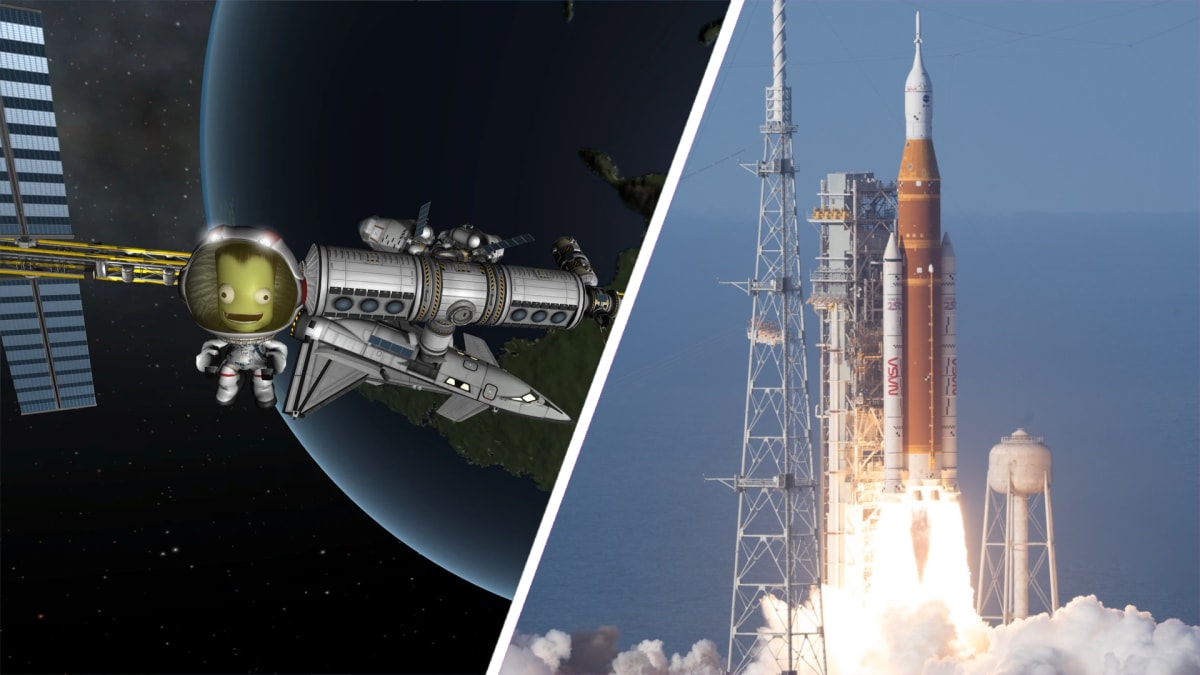
Thousands of gamers fired up Kerbal Space Program after watching Artemis 2 launch toward the moon, eager to build their own lunar missions. The space simulator saw its highest player count in nearly a decade.
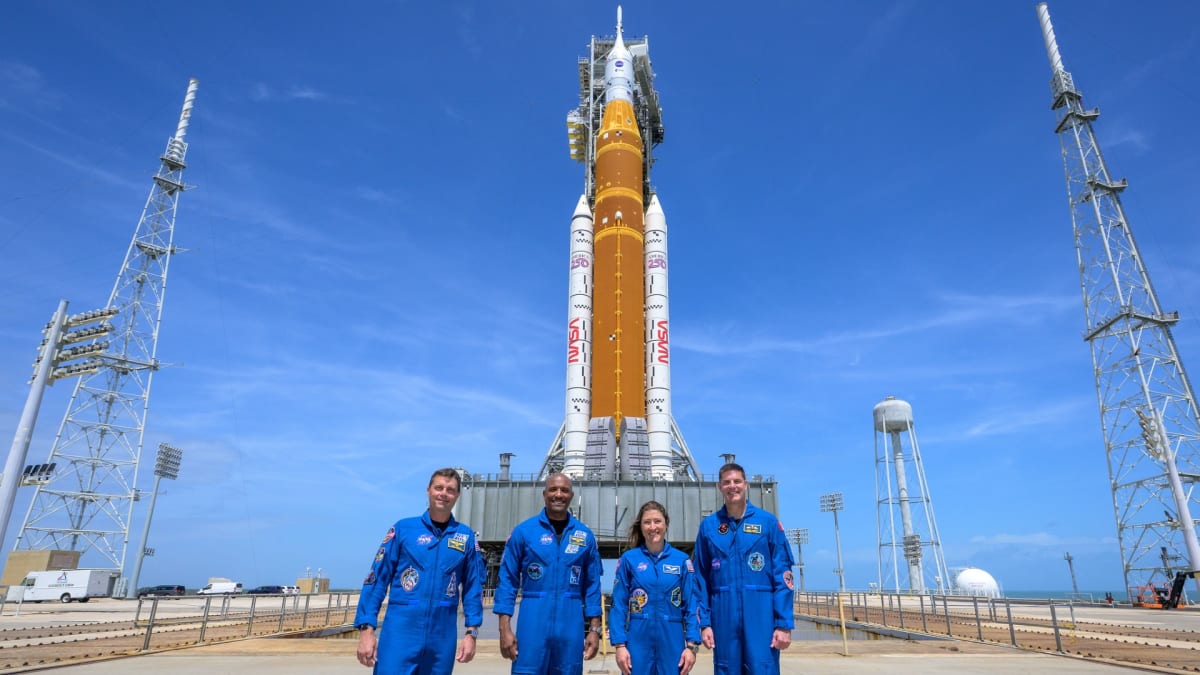
When four astronauts blasted off toward the moon on April 1st, they inspired more than just awe. They sent thousands of people racing to their computers to try it themselves.
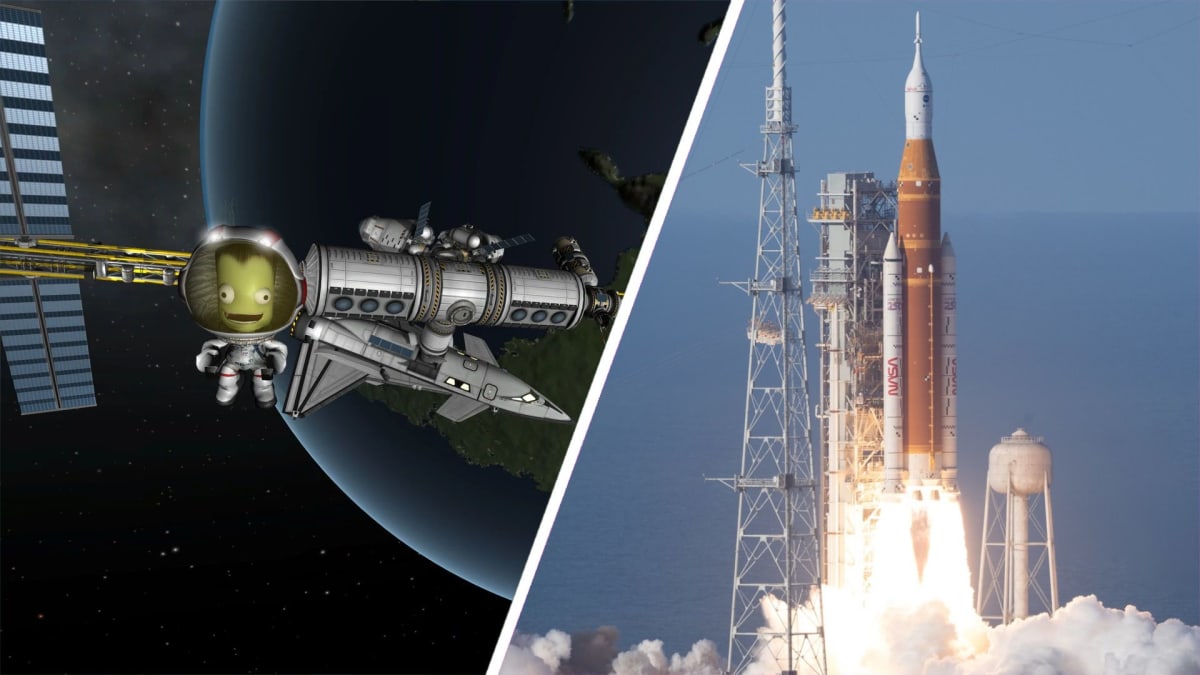
Kerbal Space Program, a beloved space flight simulator, saw its player count skyrocket to 12,434 concurrent users following the Artemis 2 launch. That's more than triple its usual 3,000 to 4,000 players and marks the game's second-highest peak since it launched in 2015.
The timing wasn't coincidental. As the Orion spacecraft carried Reid Wiseman, Victor Glover, Christina Koch, and Jeremy Hansen farther from Earth than any crewed mission in over 50 years, armchair astronauts wanted in on the action.
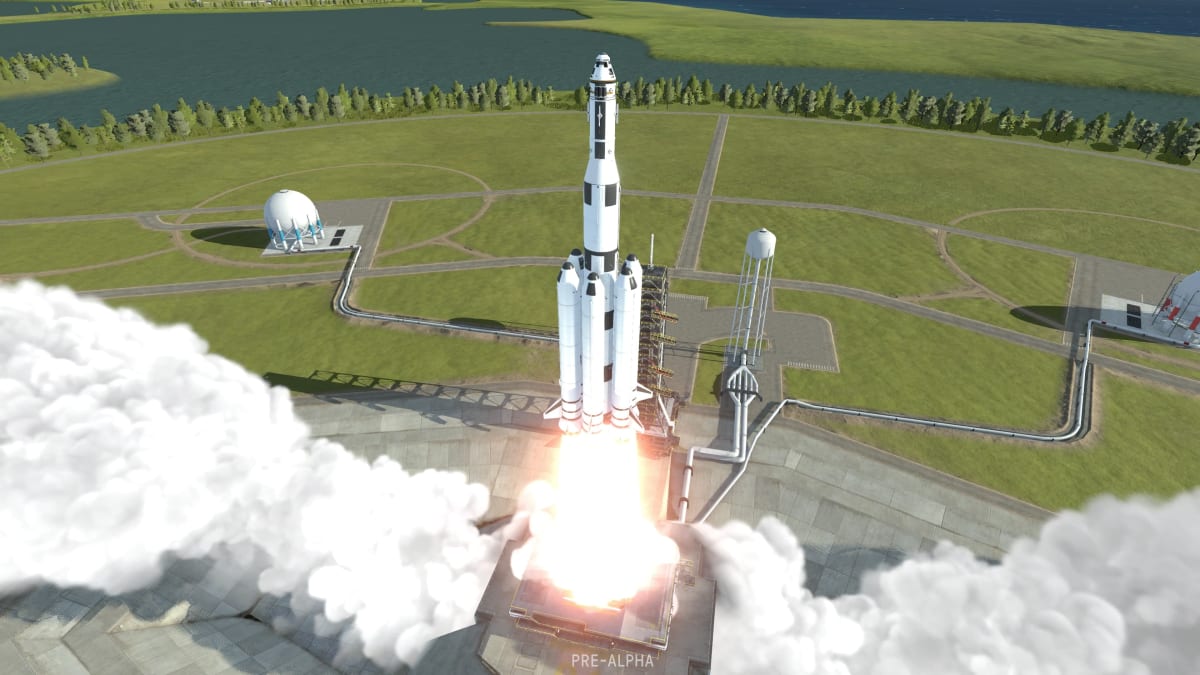
Kerbal Space Program lets players design rockets, plan missions, and navigate real orbital mechanics. It's not a simple arcade game but rather a surprisingly accurate simulation of actual spaceflight, complete with staging requirements, gravity assists, and trans-lunar injections.
What makes this response particularly heartwarming is how the game packages complex aerospace engineering into something accessible. The titular Kerbals are goofy green creatures that look more like Minions than astronauts, making rocket science feel approachable rather than intimidating.
The Ripple Effect
This surge reflects something bigger than a video game trend. It shows how real-world achievement ignites curiosity and hands-on learning in ways that passive entertainment never could.
The game's tutorials walk players through every consideration that goes into building a spaceworthy rocket. Trial and error become learning opportunities rather than frustrations, turning complicated concepts into digestible challenges.
Even Kerbal Space Program 2, which struggled to find an audience with only 118 players a month ago, tripled its player count to 370. When inspiration strikes, people seek every available avenue to participate.
The Artemis program aims to establish permanent human presence on the moon, with future missions planning actual lunar surface operations. If Artemis 2's cultural impact is any indication, upcoming missions will continue inspiring new generations to explore space through simulation, education, and eventually careers.
Humanity's return to the moon isn't just happening in spacecraft; it's happening in living rooms, classrooms, and imaginations worldwide.
More Images
Based on reporting by Space.com
This story was written by BrightWire based on verified news reports.
Spread the positivity!
Share this good news with someone who needs it