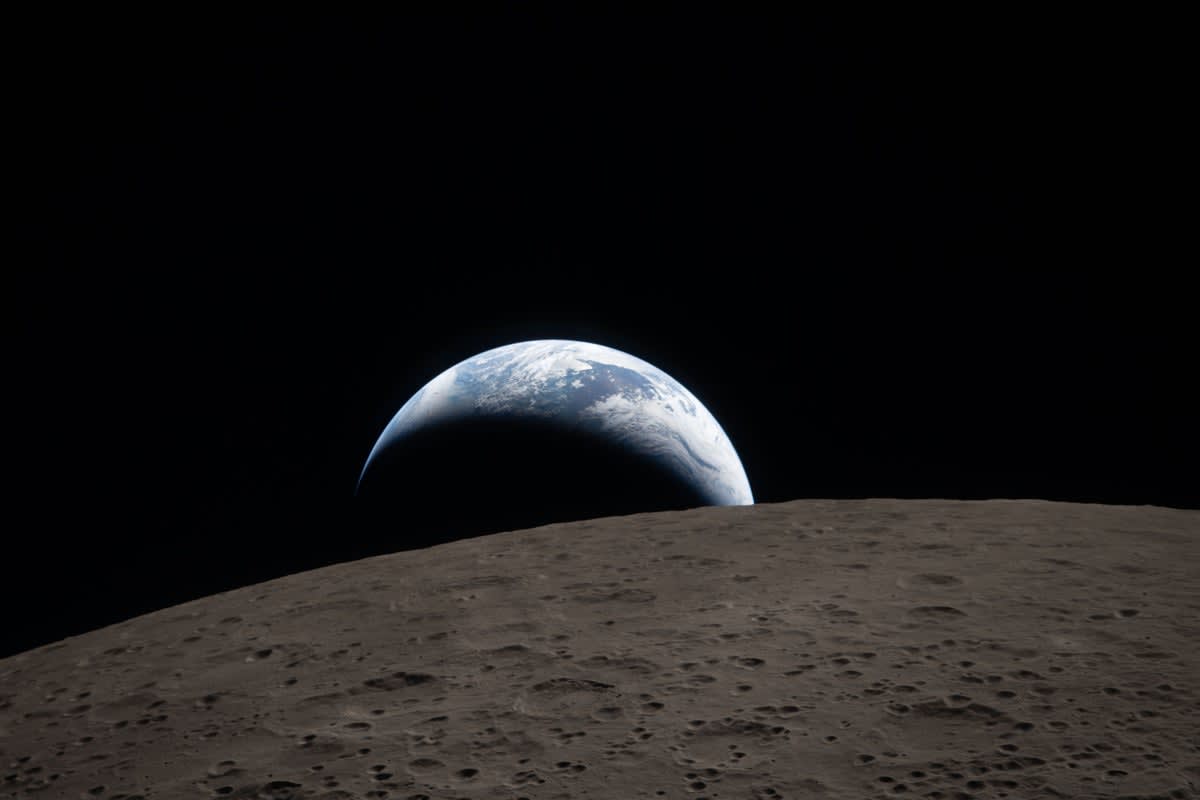
Artemis II Astronauts Bring Home New 'Earthset' Photo
NASA's Artemis II crew just gave us a stunning new view of Earth from the moon, recreating the iconic 1968 "Earthrise" photo that launched the environmental movement. The image reminds us why protecting our fragile home planet matters more than ever.
Just two weeks ago, four astronauts became the first humans to leave Earth's orbit in over 50 years and brought back a gift that took our breath away.
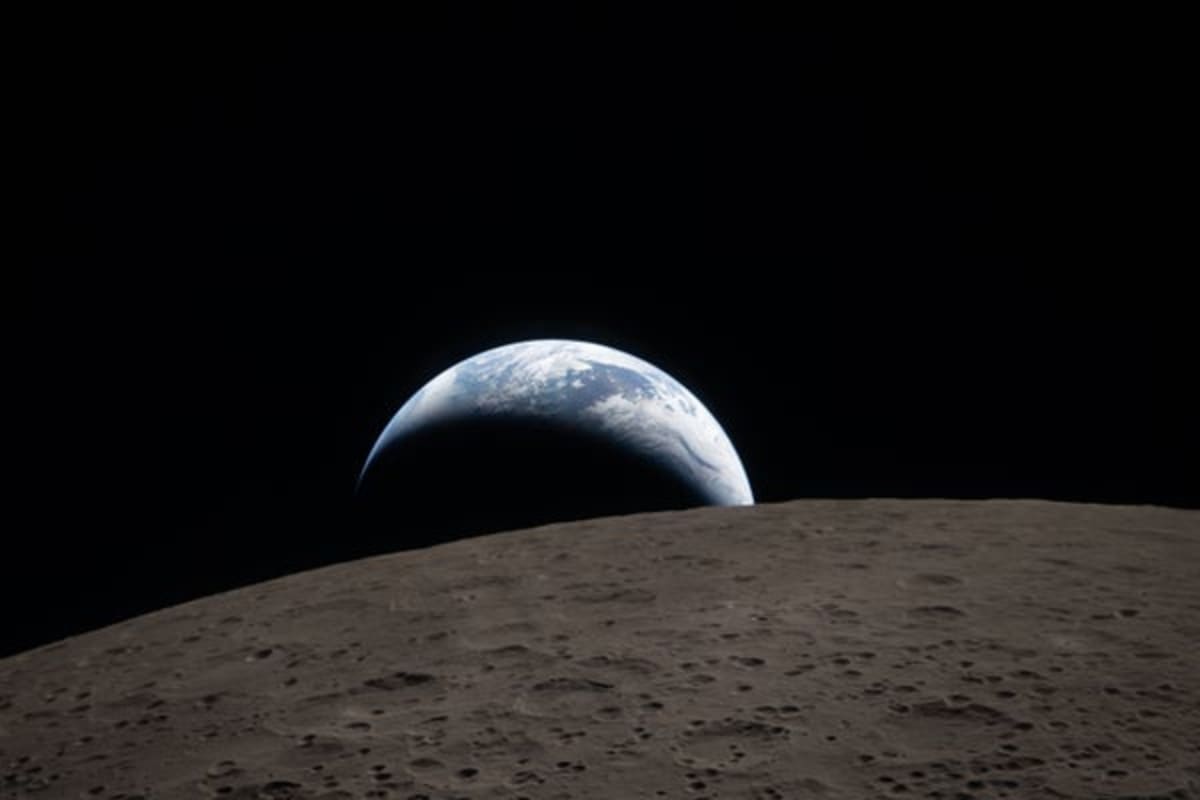
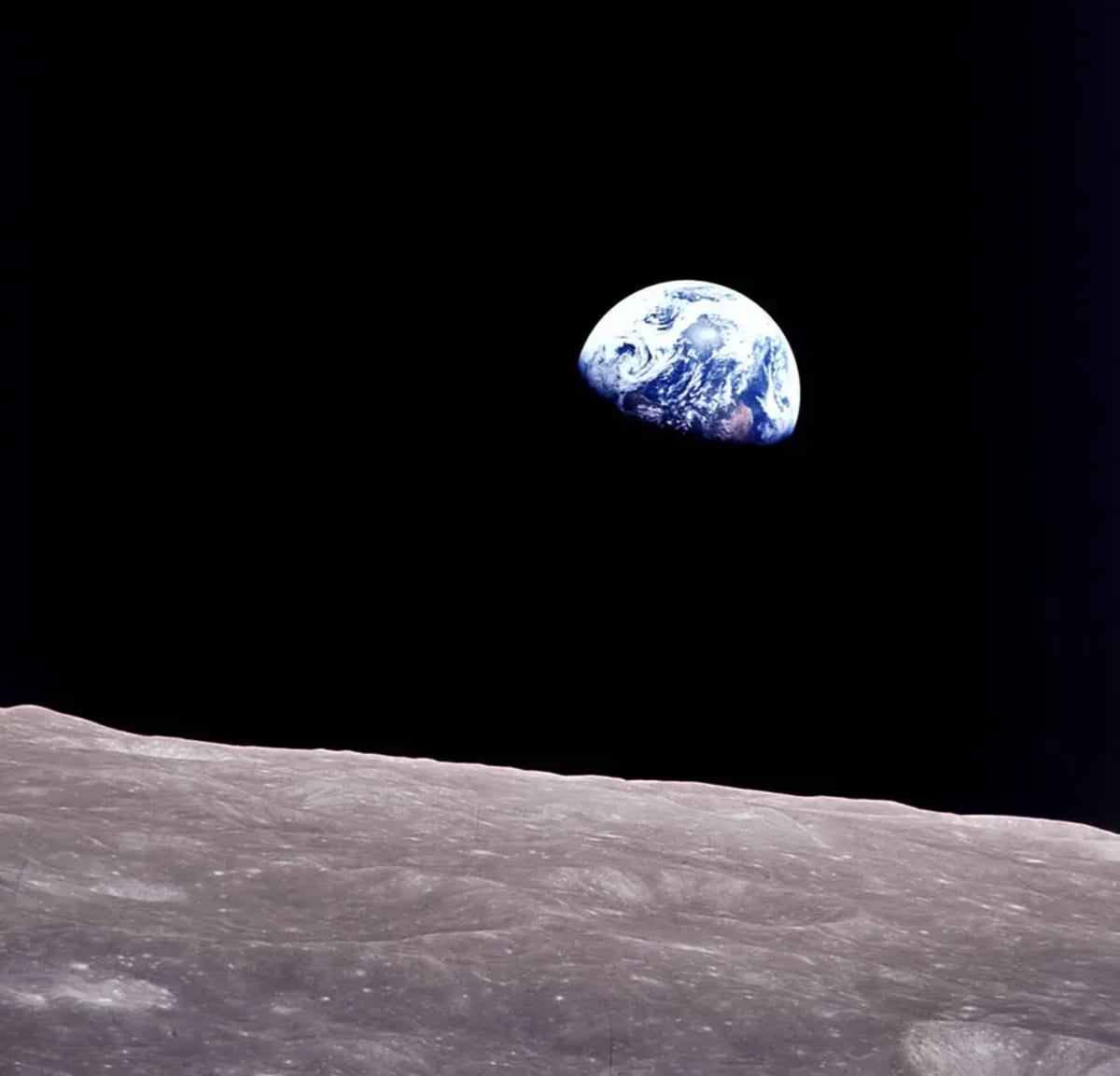
NASA's Artemis II mission captured "Earthset," a high-definition image showing our blue planet as a delicate crescent hovering above the moon's gray surface. It's a modern remake of the famous 1968 "Earthrise" photo that helped spark the first Earth Day in 1970.
Canadian astronaut Jeremy Hansen and NASA's Christina Koch couldn't stop staring at Earth during their journey. Koch, who became an astronaut after seeing an "Earthrise" poster in her childhood bedroom, said the vast blackness surrounding our planet struck her most. "Earth was just this lifeboat, hanging undisturbed in the universe," she told reporters after returning home.
The original Apollo 8 astronauts were spellbound when they first saw Earth rising above the moon's barren landscape. "Almost every Apollo astronaut came back to Earth a fundamentally changed person," says Catherine Newell, a historian at the University of Miami. The experience shook them spiritually, seeing our home just floating alone in the void.
That sense of wonder reached billions through photographs. The "Earthrise" and "Blue Marble" images became symbols of the environmental movement throughout the 1970s and beyond, showing up at protests and celebrations worldwide.
Hansen reminded viewers during the mission that you don't need to travel to space to appreciate Earth's fragility. "We know this from science," he said during a news conference. "We're very fortunate to live on planet Earth."
Why This Inspires
Space historian Teasel Muir-Harmony at the Smithsonian noticed something beautiful about Artemis II. The mission brought back those powerful narratives about connection and shared responsibility that made the Apollo era so transformative.
Environmental historian Neil Maher points out that NASA helped turn space images into environmental symbols by pairing stunning photos with crucial Earth science research. The combination made abstract concepts like the ozone hole and climate change feel real and urgent.
The timing feels right. As we face climate challenges, this new generation of space explorers returns with the same message their predecessors brought home decades ago: our planet is beautiful, fragile, and worth protecting.
More Images


Based on reporting by Scientific American
This story was written by BrightWire based on verified news reports.
Spread the positivity!
Share this good news with someone who needs it