Artemis II Astronauts Bring 'Moon Joy' Back to Earth
For the first time in 52 years, humans traveled to the moon, and millions watched in high definition as astronauts experienced profound awe. Scientists say we can all find that same transformative wonder right here on Earth.
When astronaut Christina Koch looked at the moon from NASA's Artemis II spacecraft on April 4, she barely recognized it. "The moon we are looking at is not the moon you see from Earth whatsoever," she said, her voice filled with what mission control called "moon joy."
The moment was historic for more than just the four astronauts aboard. Artemis II marked the first time most people alive today witnessed humans travel to the moon, and the first time we experienced it through nearly continuous high-resolution video streaming back to Earth.
The crew shattered records along the way. They traveled farther from Earth than any humans before them, captured images of a total solar eclipse from space, and witnessed parts of the moon's far side never seen previously.
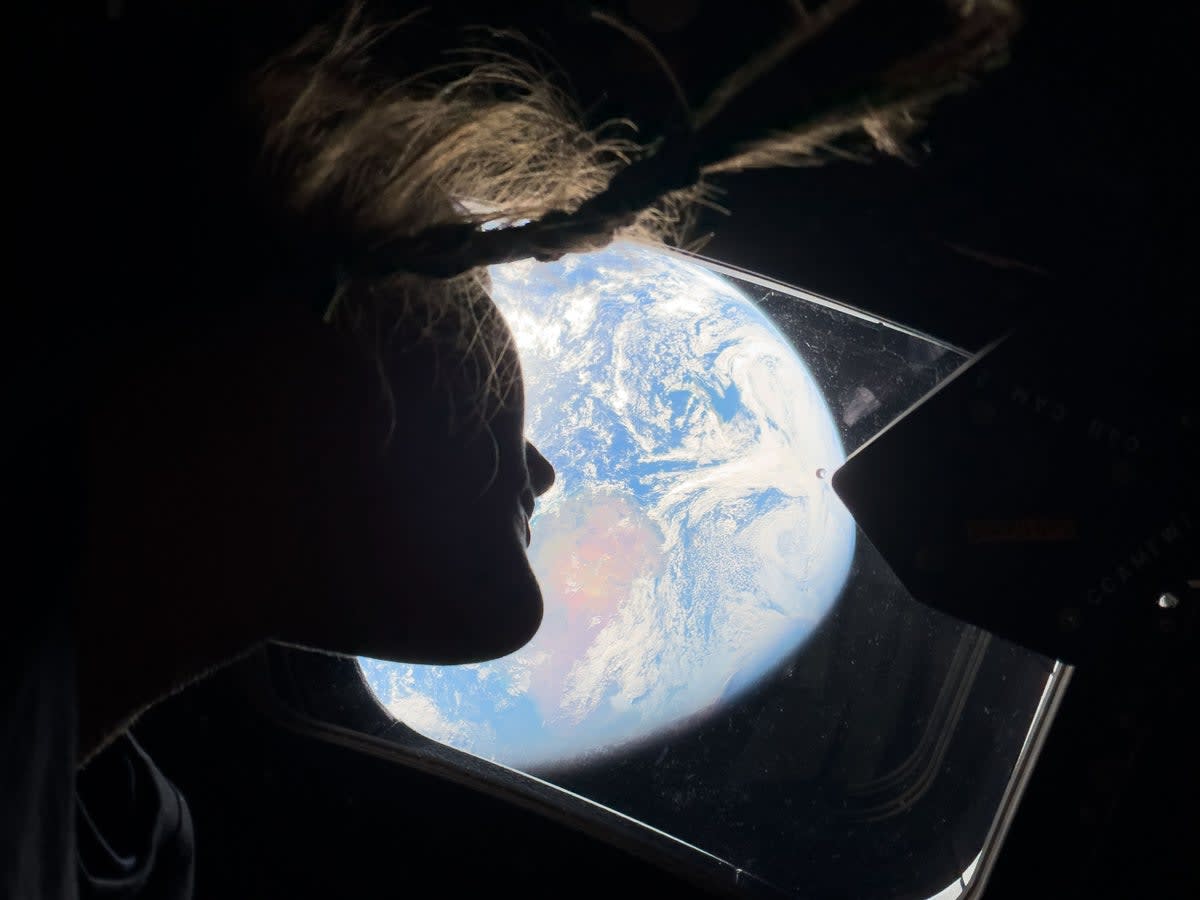
What Koch and her teammates felt has a name: the overview effect. Writer Frank White coined the term in 1987 to describe the profound mental shift astronauts report after seeing Earth from a distance, often describing our planet as a fragile oasis floating in darkness.
But University of Chicago space historian Jordan Bimm suggests the overview effect might be more cultural story than universal truth. Astronaut Jeremy Hansen seemed to confirm this when he said the view from space didn't change his perspective but "absolutely reaffirmed" what he already believed about Earth's fragility.
Psychologists now think of it as a special type of awe. "It's a feeling we get when we encounter something so complex, so vast, that it transcends our understanding of the world," says Paul Piff, who studies awe at the University of California, Irvine.
The Ripple Effect
The best news? You don't need a rocket to feel this transformative emotion. Researchers studying deep-sea divers who live in underwater habitats for weeks discovered they experienced an "underview effect" just as powerful as what astronauts feel in space.
Even simpler experiences can spark genuine awe. A 2022 study found that older adults instructed to notice wonder during 15-minute daily walks reported decreased distress and increased positive emotions after just eight weeks.
Patterns of light on sidewalks, the intricate design of insect wings, or watching clouds shift across the sky can all trigger that same perspective-shifting feeling. "Even though they're not seeing Earth from space, they're getting a unique immersive experience that can shift them out of their normal, habitual ways of viewing the world," says psychologist Kristen Kilgallen.
Social psychologist Michelle Shiota notes that awe makes us feel small in the best way, putting daily problems in perspective by zooming out our view of the world. The Artemis II mission may have ended when the crew splashed down in the Pacific on Friday, but the invitation to seek wonder remains open to all of us.
The astronauts brought moon joy back to Earth, and science confirms we can find our own version of it every single day.
More Images



Based on reporting by Scientific American
This story was written by BrightWire based on verified news reports.
Spread the positivity!
Share this good news with someone who needs it