Artemis II Astronauts Halfway Home After Historic Moon Mission
For the first time in over 50 years, astronauts have flown around the Moon and are heading back to Earth. The crew is set to splash down in the Pacific Ocean this weekend after a mission experts are already calling a "clear success."
Four astronauts are making history right now, sailing through deep space on humanity's first crewed journey around the Moon since the 1970s.
The Artemis II crew reached the halfway point between the Moon and Earth this week. They're scheduled to splash down in the Pacific Ocean off San Diego early Saturday morning, wrapping up a mission that has space agencies celebrating even before the capsule touches down.
"Artemis II is already a clear success," says Anna Fogtman, a radiation protection expert at the European Space Agency who works closely with the mission. Her team at ESA's European Astronaut Centre in Cologne, Germany, has been monitoring the crew throughout their journey.
This isn't just a joyride around the Moon. The mission serves as NASA's crucial test run for returning humans to the lunar surface later this decade, checking everything from life support systems to how astronauts handle emergencies in the cramped Orion capsule.
NASA's massive Space Launch System rocket carried the crew away from Earth on April 1. Since then, they've been testing critical equipment in real deep space conditions, the kind you simply can't replicate on Earth or even in orbit.
Some equipment issues did crop up during the flight. Fogtman says that's exactly the point of a test mission like this. Seeing how spacecraft, crew, and ground teams respond to real problems is invaluable data that will keep future astronauts safer.
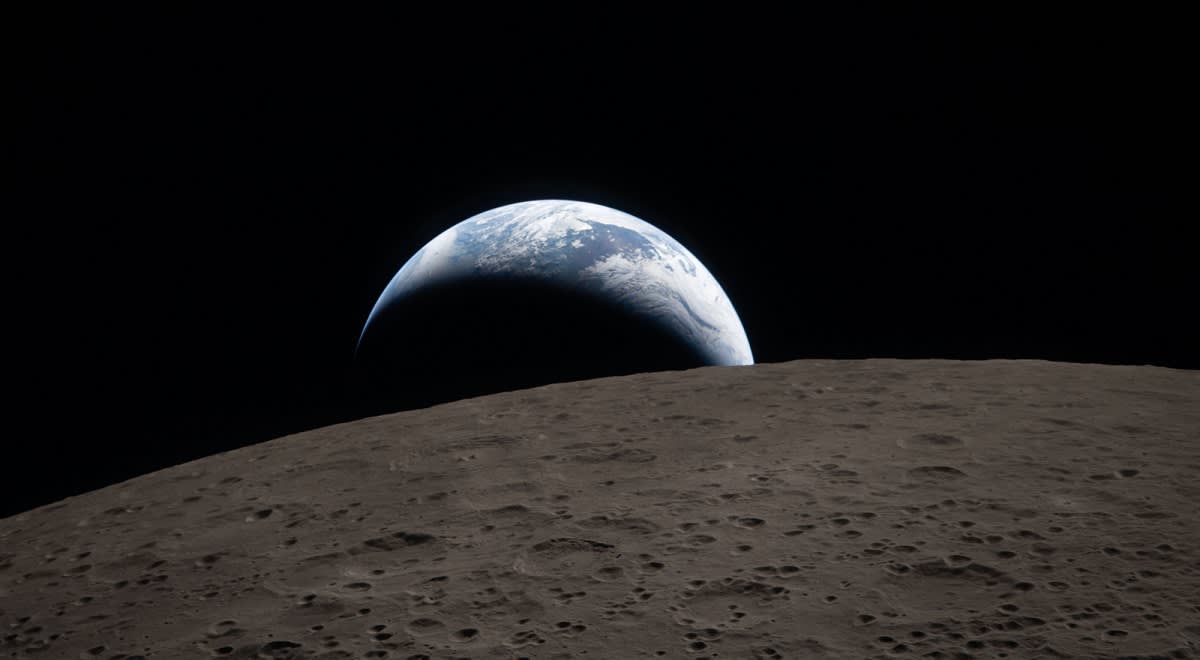
The astronauts also captured stunning observations of the Moon during their flyby. While Artemis II won't land, these direct human observations will help scientists better understand what future crews will face when they touch down on the lunar surface.
Why This Inspires
After more than five decades away from the Moon, this mission proves that humanity hasn't lost its ability to explore beyond our planet. It took years of building expertise, developing new technology, and fostering international cooperation to get here.
The gap since Apollo wasn't wasted time. Space agencies spent those decades perfecting systems closer to home, learning lessons that are now paying off in safer, more reliable deep space missions.
Fogtman notes the journey to actually landing on the Moon again will still take time. The Orion spacecraft can reach lunar orbit, but crews will need improved landing vehicles, habitats that can withstand the harsh lunar environment, and technology to use resources found on the Moon itself.
The radiation conditions during Artemis II have been surprisingly mild so far, meaning the protection systems may not face their ultimate test this trip. But that's good news for the crew heading home.
As the astronauts prepare for reentry, their journey represents something bigger than just circling the Moon: proof that when we work together across borders and decades, we can still reach for the stars.
Based on reporting by Google: space mission success
This story was written by BrightWire based on verified news reports.
Spread the positivity!
Share this good news with someone who needs it