NASA Plans Moon Nuclear Reactor by 2030
NASA and the Department of Energy just committed to building the first nuclear reactor on the Moon by 2030, powerful enough to light 75 homes. After decades of failed attempts, this breakthrough could finally unlock deep space exploration and pave the way for human missions to Mars.
The Moon is getting its first power plant, and it could change space exploration forever.
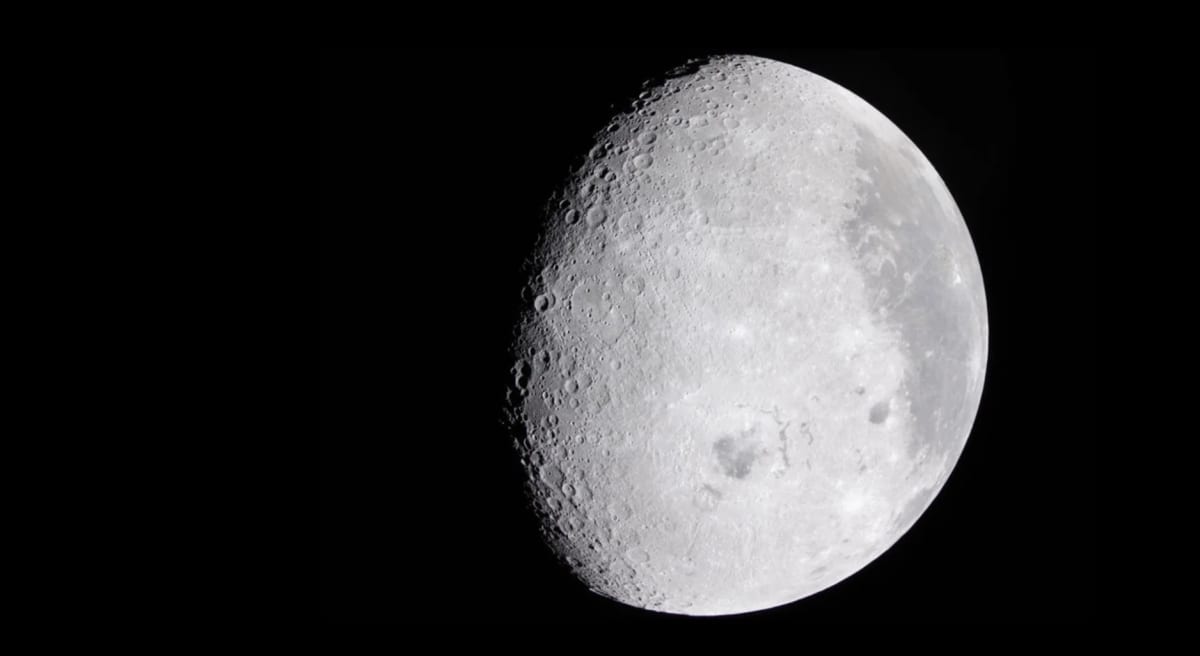
NASA and the U.S. Department of Energy signed an agreement in January 2026 to build a nuclear fission reactor on the lunar surface by early 2030. The reactor will generate at least 100 kilowatts of electric power, enough to supply roughly 75 average American homes with electricity.
This isn't just about keeping the lights on at a Moon base. The reactor represents a critical stepping stone for deeper space missions, including crewed journeys to Mars that could happen in the following decade.
The project traces back to August 2025, when NASA's acting administrator issued a directive to design, build, and deploy the high-power reactor. President Trump's December 2025 executive order on space superiority formalized the broader initiative, and the January memorandum sealed the deal between the two agencies.
Building a nuclear reactor for the Moon comes with unique challenges. Without an atmosphere or water to dissipate heat, the system must operate at higher temperatures than Earth-based reactors and radiate excess heat directly into space through massive radiator panels.
The Department of Energy will provide about 400 kilograms of uranium fuel and handle regulatory oversight. NASA will manage the program and funding, which former senior officials estimate at roughly $3 billion over five years.
Why This Inspires
Here's what makes this attempt different from half a century of earlier failures. Since the Apollo era, the U.S. has tried repeatedly to integrate nuclear power into space exploration, but those efforts collapsed for predictable reasons.
Previous programs developed technology without specific mission needs, hoping uses would emerge later. They rarely did. Political funding cycles ran shorter than development timelines, so money dried up before completion. Multiple agencies shared responsibility without clear ownership, and critical tasks fell through the cracks.
This time, NASA structured the program to avoid those traps. Fixed-price contracts prevent runaway costs. Clear leadership designations eliminate confusion about who's responsible. The interagency memorandum ensures both NASA and the Department of Energy own specific pieces of the work.
The power output tells its own story. At 100 kilowatts, this reactor delivers more than double the 40 kilowatts NASA targeted in previous 2022 contracts, showing genuine ambition to support substantial lunar operations.
Space exploration has always required solving problems that seemed impossible from Earth. Nuclear power on the Moon means astronauts could run large-scale scientific equipment, process resources, and maintain habitats without relying on solar panels that go dark during the two-week lunar night.
The road from announcement to working reactor remains long and technically demanding. But for the first time in decades, the structural pieces are aligned to actually finish what earlier generations started.
If NASA and the Department of Energy succeed, 2030 could mark the year humanity plants its first nuclear-powered flag beyond Earth.
Based on reporting by Google News - Science
This story was written by BrightWire based on verified news reports.
Spread the positivity!
Share this good news with someone who needs it