Japan's Ispace Teams with SpaceX for Moon Cargo Service
A Japanese company just made traveling to the moon as accessible as booking a shared ride. Ispace is launching the first lunar cargo rideshare service using SpaceX's Starship, opening the moon to businesses worldwide.
Tokyo's Ispace just turned the moon into a destination anyone can reach, thanks to a groundbreaking partnership with SpaceX that makes lunar delivery more affordable than ever.
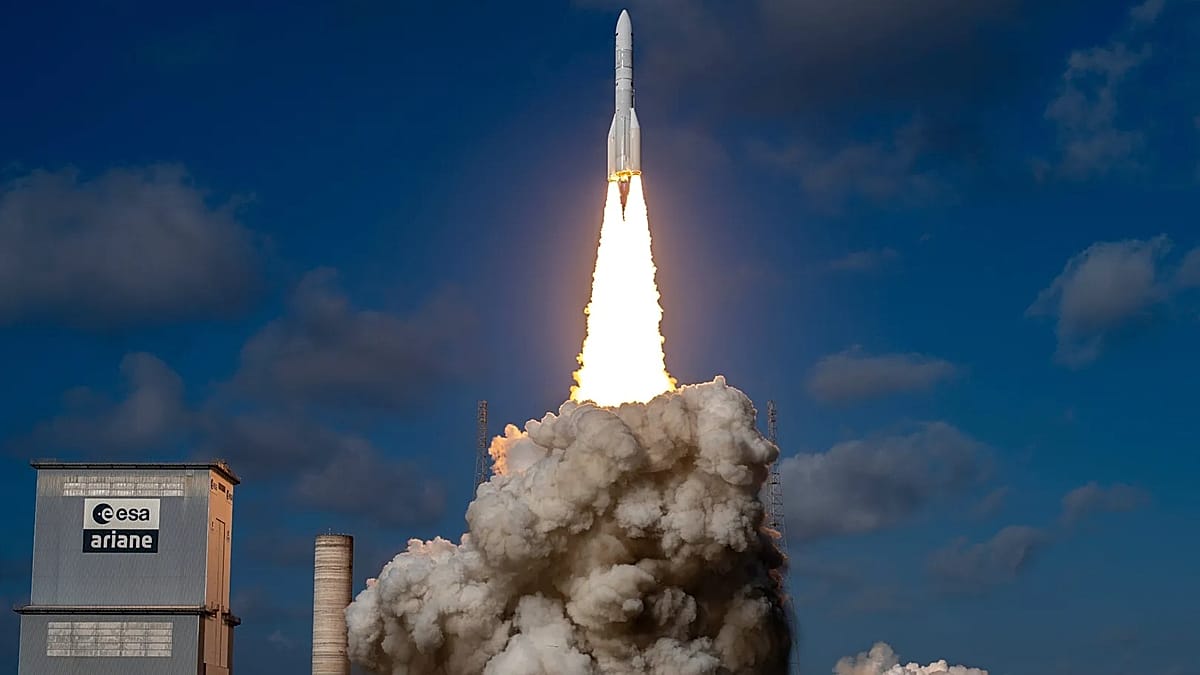
The lunar transport company announced it's launching a revolutionary rideshare service to the moon using SpaceX's massive Starship rocket. For $50 million, Ispace bought 500 kilograms of cargo space on a 2030 Starship mission and will build a special lunar vehicle that can carry payloads from multiple customers sharing the same trip.
Think of it like the difference between chartering a private jet and booking a seat on a commercial flight. Ispace calls their new service a lunar "bus" that complements their existing "taxi" business of dedicated lunar landers.
The partnership came together naturally. SpaceX actually approached Ispace first with the idea, recognizing that smaller companies and research teams need an affordable way to reach the lunar surface without booking an entire mission.
Ispace has learned from experience. The company attempted lunar landings in 2023 and 2025 using SpaceX's Falcon 9 rockets, though both missions faced challenges. Now they're focusing on three planned Ultra lander missions by 2030, including one supporting NASA's Commercial Lunar Payload Services program.
SpaceX welcomed the expanded relationship, with Vice President Stephanie Bednarek noting that Ispace's integration services create valuable pathways for smaller payloads to reach the moon today. The reusable Starship system represents a major leap forward because the spacecraft itself can land on the moon, unlike previous rockets.
The Ripple Effect: This collaboration opens doors that were previously locked for countless researchers, universities, and companies with lunar ambitions but limited budgets. By sharing cargo space and costs, organizations that could never afford a solo mission can now participate in lunar exploration and commerce. The approach democratizes access to Earth's nearest neighbor, potentially accelerating scientific discoveries and technological innovations that benefit everyone back home.
Ispace CEO Takeshi Hakamada believes the SpaceX partnership will "exponentially" accelerate growth in the lunar infrastructure market. While other companies could theoretically offer similar services, few have Ispace's expertise in both cargo integration and providing continued support after moon landing.
The moon just got a whole lot closer for anyone with big dreams and important cargo.
More Images



Based on reporting by Japan Times
This story was written by BrightWire based on verified news reports.
Spread the positivity!
Share this good news with someone who needs it