NASA Pays You to Live on 'Mars' for a Year
NASA is recruiting four people to spend a year living like deep-space colonists in simulated Mars and Moon habitats. The best part? You'll get paid to help shape humanity's future among the stars.
Imagine getting paid to help NASA prepare for humanity's next giant leap into space, all without leaving Earth.
NASA is looking for four adventurous souls to spend 12 months living inside realistic Mars and Moon mission simulations at the Johnson Space Center in Houston. The mission, called Moon and Mars Exploration Analog, launches no later than August 2027 and offers a once-in-a-lifetime chance to contribute to space exploration history.
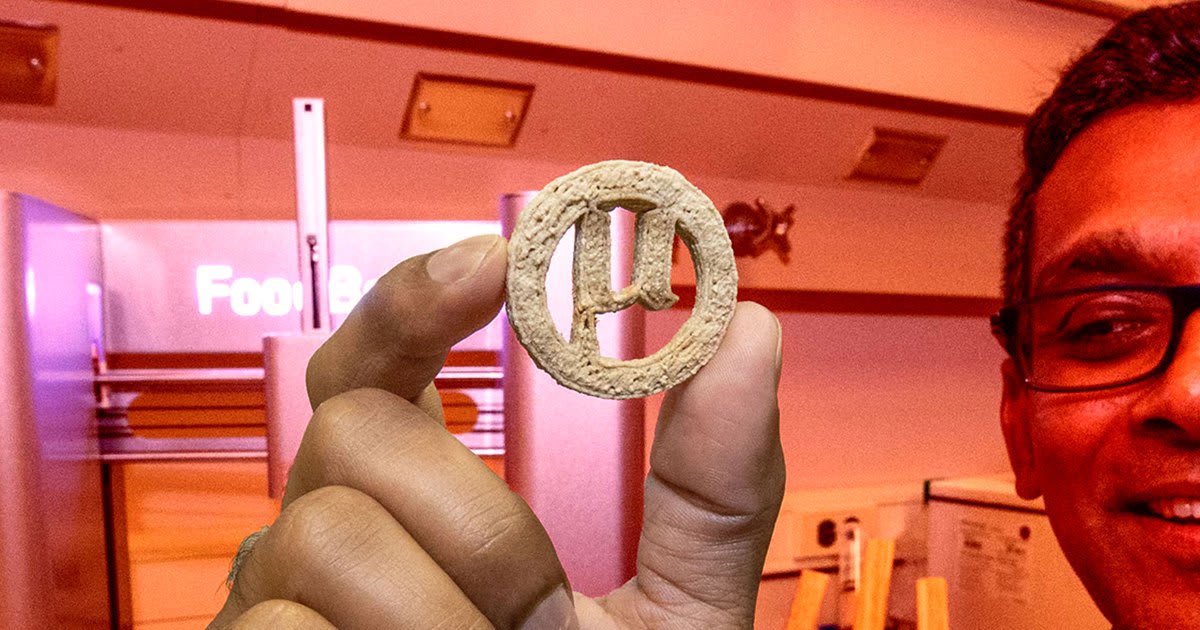
The setup sounds like science fiction come to life. Participants will split their time between two habitats: a cramped two-story transit vehicle mimicking a deep-space capsule, and a sprawling 3D-printed surface habitat that recreates life on Mars or the Moon. The transit vehicle includes four connected capsules with shared workspace, living quarters, and a single hygiene module for all four crew members.
The surface habitat offers more room to breathe, featuring a recreation area, medical bay, crop cultivation zone for growing food, and even a sandbox outside for simulated spacewalks in pretend Martian dust. You'll eat astronaut meals, breathe recycled air, and experience the psychological realities of isolation that real Mars explorers will face.
This groundbreaking mission combines NASA's HERA and CHAPEA programs into one comprehensive test. The agency needs real data on how humans handle extended isolation and close-quarters living before risking actual lives in deep space. Every meal shared, every conflict resolved, and every moment of cabin fever will teach engineers and psychologists how to keep future astronauts healthy and happy millions of miles from home.
Why This Inspires
This mission represents something beautiful about human nature: our unstoppable drive to explore and our willingness to sacrifice comfort for discovery. The four people who step into these habitats won't just be guinea pigs in an experiment. They'll be pioneers helping to solve the puzzles that stand between humanity and becoming a multi-planetary species.
Their year of confinement will directly influence spacecraft design, mission planning, and crew selection for actual Mars missions. Future astronauts walking on the Red Planet will owe part of their success to these four earthbound explorers.
There's a catch, of course. Applicants need astronaut-level qualifications: advanced STEM degrees (ideally a PhD), extensive professional experience, or military background. You'll also need to be a U.S. citizen or green card holder between 30 and 55 years old, under 6'2" tall, and ready to commit 14 months total including training.
For those who qualify, this offers something money usually can't buy: the knowledge that you played a crucial role in humanity's greatest adventure.
More Images


Based on reporting by Google News - Science
This story was written by BrightWire based on verified news reports.
Spread the positivity!
Share this good news with someone who needs it