NASA Spacecraft Tests Moon Tech for Future Astronauts
A microwave-sized satellite just proved spacecraft can navigate around the Moon without waiting for instructions from Earth. The breakthrough technology could keep future astronauts connected even when they walk behind lunar hills.
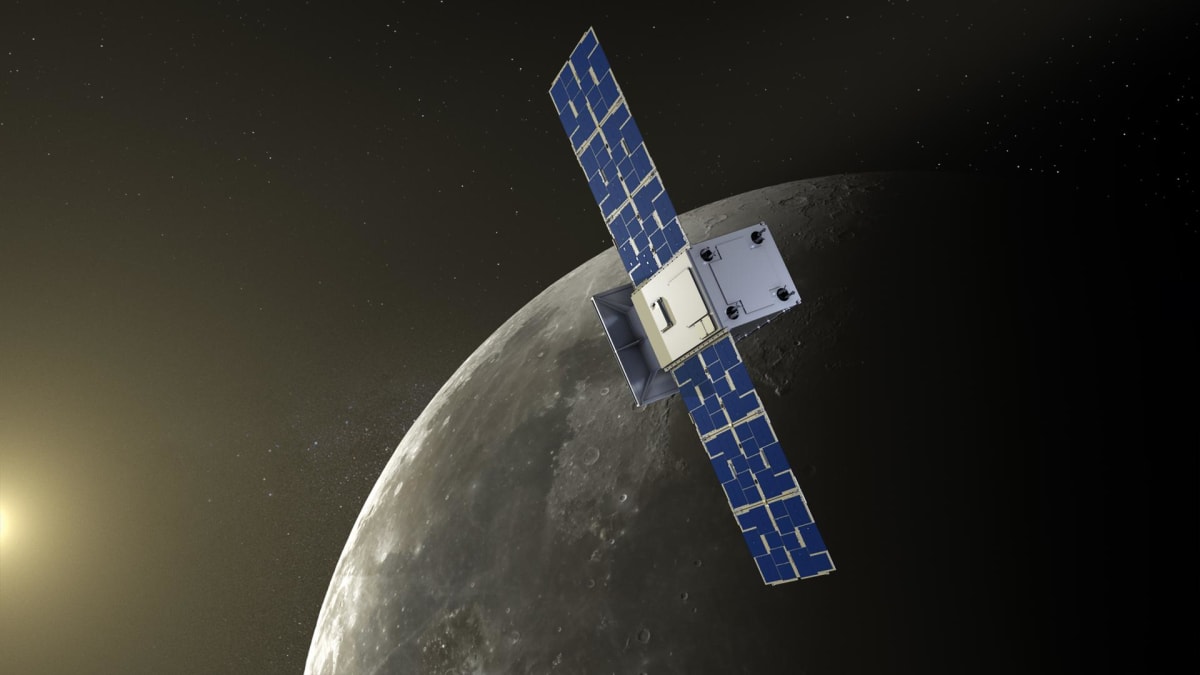
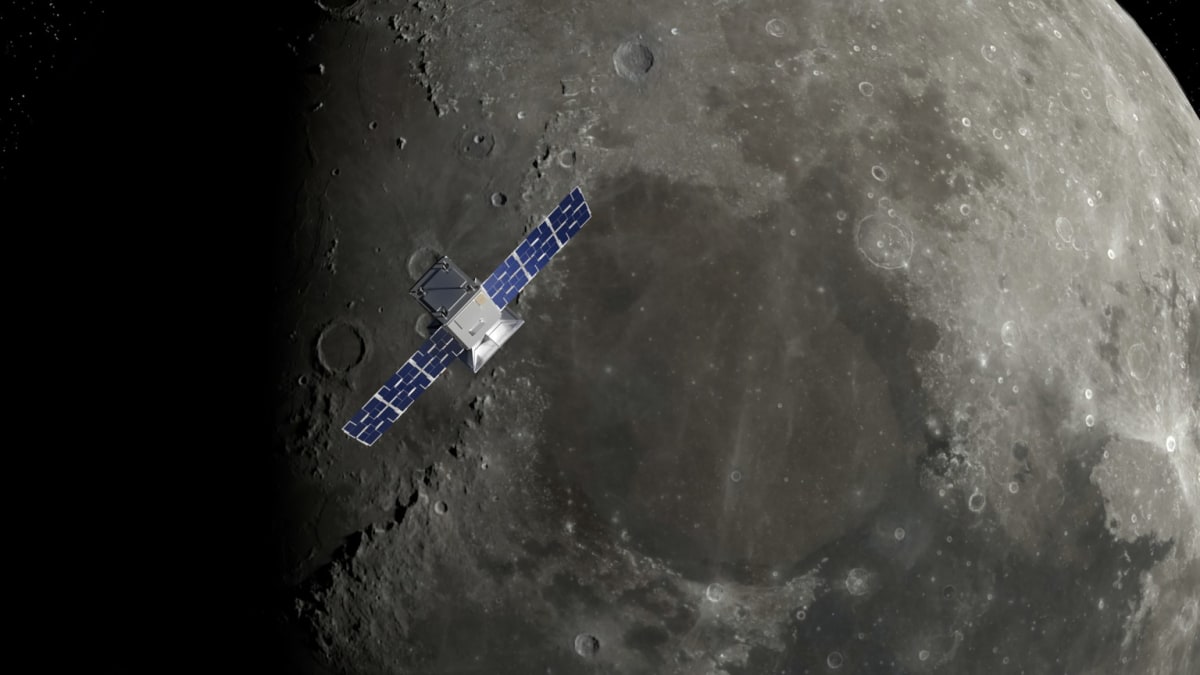
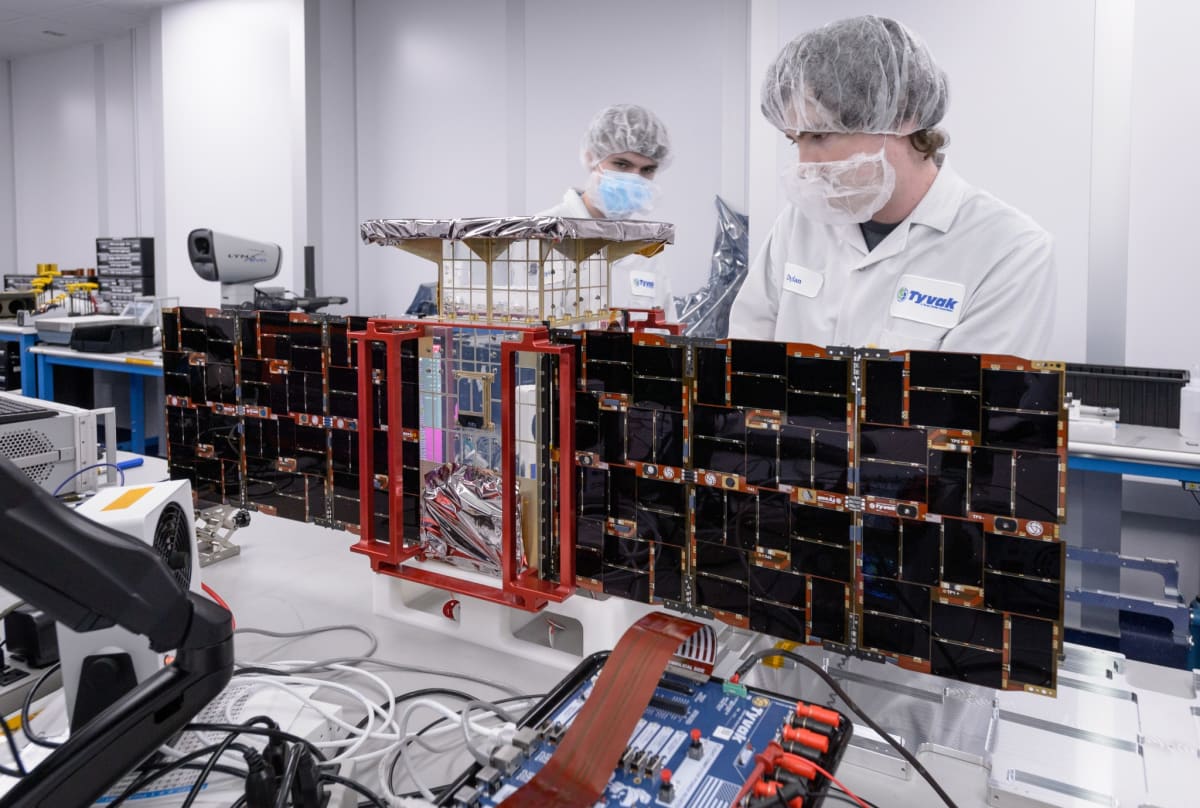
A tiny spacecraft the size of a microwave just spent four years proving that future Moon missions can operate more independently than ever before.
NASA's CAPSTONE satellite completed its extended mission in July 2026, successfully testing technologies that could let astronauts explore the Moon without constantly checking in with Earth. The spacecraft launched in June 2022 as the first U.S. commercial mission to reach the Moon.
CAPSTONE flew in a special orbit that uses both Earth and Moon gravity to stay stable while using less fuel. No spacecraft had ever flown this path before, and the data collected will help plan future missions.
But the real magic happened during a 15-month mission extension. Rather than launching an expensive new satellite, NASA turned CAPSTONE into a testing platform for cutting-edge navigation and communication systems.
The spacecraft proved it could figure out its own location by photographing the Moon, Earth, and stars without waiting for updates from ground control. When NASA's Deep Space Network antennas were busy supporting the Artemis II crew, CAPSTONE had contact with Earth just a few times each week. The autonomous system actually performed better than traditional ground-based tracking in real time.
"To really demonstrate that something works, you have to fly it," said Sun Hur-Diaz, who leads the autonomous navigation project at NASA's Goddard Space Flight Center. "The real environment is key."
CAPSTONE also tested a communications system designed for deep space, where signals take a long time to travel and connections drop frequently. When a data transmission was interrupted, the spacecraft stored the information and automatically resumed sending once the connection returned. Every single piece of data made it home.
The technology could prove essential for astronauts working on the lunar surface. Imagine an explorer descending into a dark crater or walking behind a hill. They might lose their connection to base temporarily, but this system would store their data and messages until the signal returns.
The Ripple Effect
These technologies are building blocks for NASA's permanent Moon presence. As more countries and companies send missions to lunar orbit, spacecraft that can navigate and communicate independently will become essential.
The mission also proved that existing satellites can host new experiments after launch, making space research more affordable and flexible. Instead of building and launching entirely new spacecraft for each test, NASA showed that working satellites can become versatile testing platforms.
CAPSTONE's success means future Moon explorers will have more reliable navigation and won't lose precious data when signals temporarily drop. The technologies tested on this small spacecraft are paving the way for humans to live and work safely on the Moon.
More Images


Based on reporting by NASA
This story was written by BrightWire based on verified news reports.
Spread the positivity!
Share this good news with someone who needs it