NASA Satellite Discovers Planet It Wasn't Built to Find
A NASA telescope designed to spot nearby planets accidentally found one 40,000 light-years away using a detection method it was never meant to use. The discovery suggests hundreds more hidden planets might be waiting in archived data.
NASA's planet-hunting satellite just pulled off something nobody thought possible.
The Transiting Exoplanet Survey Satellite, known as TESS, was launched in 2018 with one clear mission: watch nearby stars for the tiny dips in brightness that happen when planets pass in front of them. It's been wildly successful at that job, discovering hundreds of new worlds close to Earth.
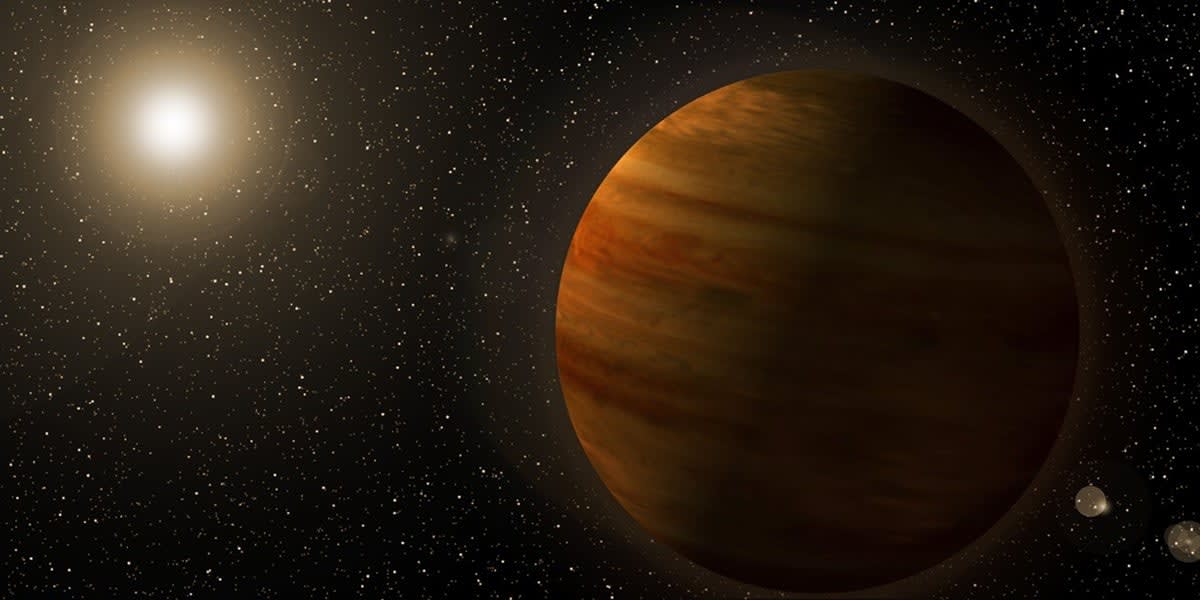
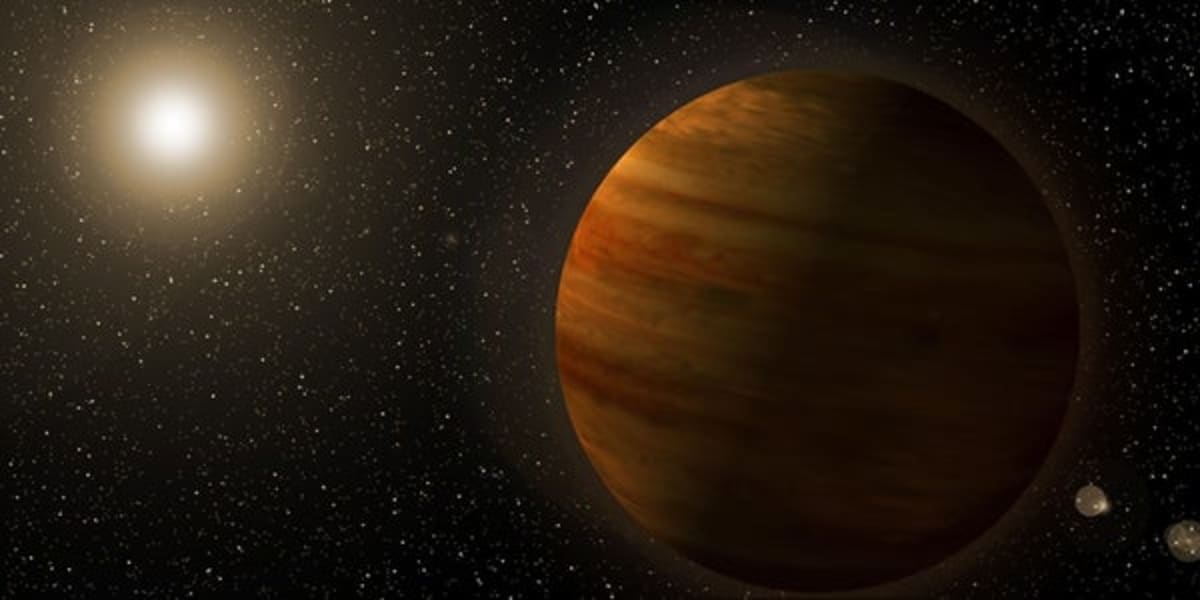
But scientists just realized TESS was quietly achieving something else entirely. The satellite captured evidence of a planet called Gaia23bra b, orbiting a star nearly 40,000 light-years away. That's more than 250 times farther than the nearby stars TESS was designed to study.
Here's what makes this really remarkable. TESS found this distant world using a completely different technique called gravitational microlensing, something it wasn't built to detect.
The discovery started when Europe's Gaia spacecraft spotted a brief brightening of a distant star in April 2023. This flash happened because of a cosmic alignment predicted by Albert Einstein: when two stars line up almost perfectly from our perspective, the gravity of the nearer one acts like a magnifying glass, bending and brightening the light from the more distant star.
Gaia caught that brightening but didn't collect enough observations to spot the planet orbiting the nearer star. Then TESS happened to be watching the same patch of sky less than a month later. Its more frequent observations revealed extra ripples in the light caused by the planet.
But nobody noticed for nearly three years. Why would they look? When TESS launched, no one expected it could ever find this kind of planet.
Mallory Harris, a PhD candidate at the University of New Mexico who led the study published in the Astrophysical Journal Letters, connected the dots between Gaia's sparse observations and TESS's detailed data. The planetary signal had been sitting in the archives all along.
The Bright Side
This accidental discovery opens an exciting door. If TESS captured one microlensing planet without anyone looking for it, there are probably many more hiding in the satellite's vast archive of observations.
Diana Dragomir, an assistant professor at the University of New Mexico and study co-author, says researchers hadn't previously thought to search TESS data for these kinds of planets. Now they know to look, turning years of archived observations into a potential treasure trove.
One of NASA's most successful planet hunters may still have plenty of surprises waiting to be found.
More Images



Based on reporting by Scientific American
This story was written by BrightWire based on verified news reports.
Spread the positivity!
Share this good news with someone who needs it