Artemis II Astronauts Inspire New Generation from Deep Space
Four astronauts just traveled farther from Earth than any human in history, capturing stunning images during their journey around the Moon. Their groundbreaking mission is sparking the same wonder in today's kids that the Apollo program ignited 50 years ago.
The Artemis II crew ventured deeper into space than any human has ever gone, completing a dramatic lunar flyby on Monday that's reigniting childhood dreams of space exploration around the world.
Astronauts Reid Wiseman, Victor Glover, Christina Koch and Jeremy Hansen spent over two years training for this historic test flight. Their mission marks the first step toward landing humans on the Moon again since 1972.
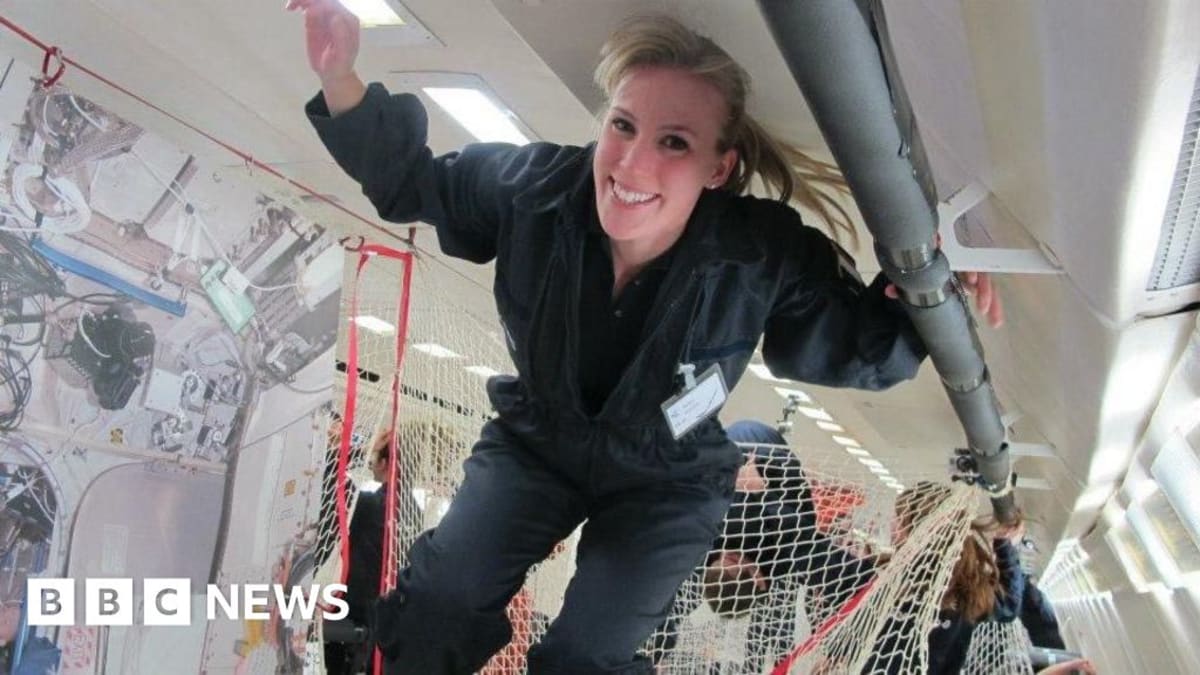
Susan Charlesworth, an Oxfordshire-based psychologist who trains astronauts for space agencies, has been following every moment of their journey. She prepares crews for the psychological challenges of living in isolated, confined and extreme environments, from Sardinian caves to Antarctic plains.
The training paid off when the spacecraft traveled behind the Moon's dark side, losing all communication with Earth for 40 minutes. The crew remained calm and focused, exactly as they'd practiced.
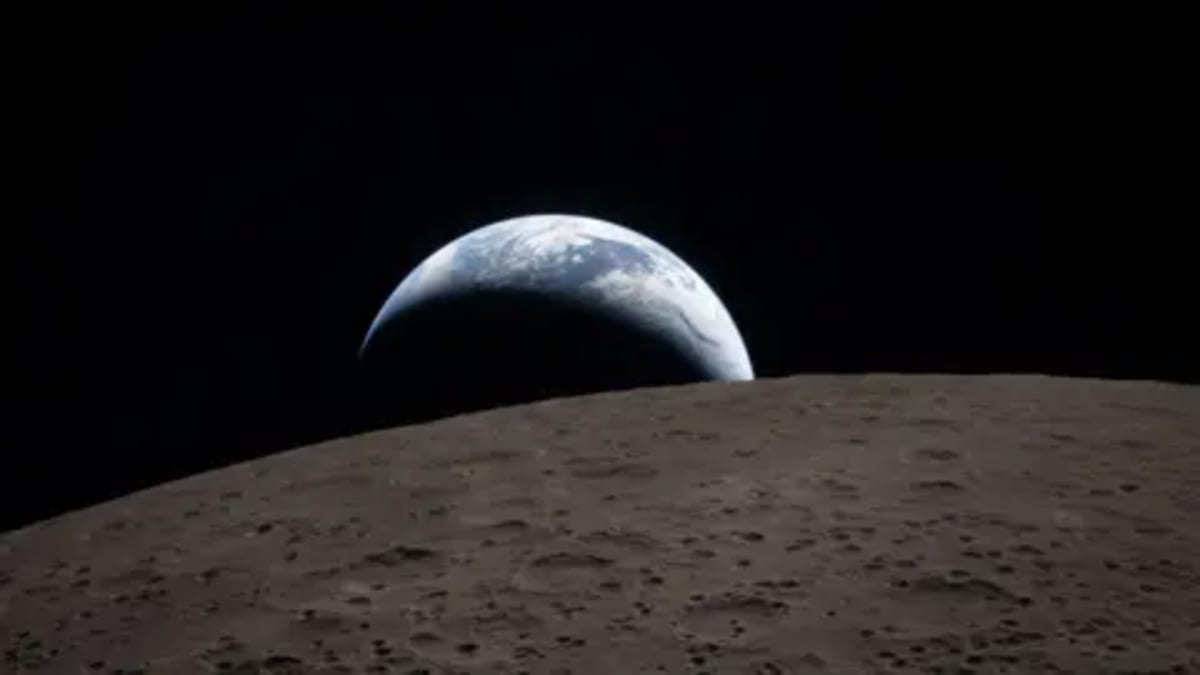
During their voyage, the astronauts captured breathtaking images that no one has seen in over half a century. One spectacular photo, called "Earthset," shows our planet slowly disappearing behind the Moon's horizon, a mirror image of the famous "Earthrise" photo from Apollo 8.
"We have not been this far from Earth before, we've not had the technology and the cameras to take these incredible images," Charlesworth explained. The photos have been flooding back daily, each one more stunning than the last.
Why This Inspires
The mission is creating what experts call an "Artemis generation," similar to how the Apollo missions inspired countless children to pursue careers in science and space exploration. Kids today are watching history unfold in real time, with access to images and updates that previous generations could only imagine.
Charlesworth sees the excitement building across age groups. "It's really, really exciting for a lot of people and certainly the younger generation," she said. Adults are just as captivated, rediscovering their own sense of wonder about what's possible.
The crew is preparing to splash down in the Pacific Ocean early Saturday morning after ten days in space. Their successful return will pave the way for even more ambitious lunar missions, including establishing a sustained human presence on the Moon.
The stars are calling to a new generation, and this time, they're answering with better technology, more diverse crews, and unlimited potential.
More Images

Based on reporting by BBC Science
This story was written by BrightWire based on verified news reports.
Spread the positivity!
Share this good news with someone who needs it