Artemis II Astronauts Share Stunning Eclipse From Moon's Far Side
Four astronauts just witnessed the first solar eclipse ever seen from behind the moon, capturing breathtaking photos during humanity's farthest journey in over 50 years. Their historic flyby broke distance records and revealed never-before-seen views of our cosmic neighborhood.
Four astronauts just became the first humans to watch a total solar eclipse from behind the moon, and the photos they captured are reshaping how we see our place in space.
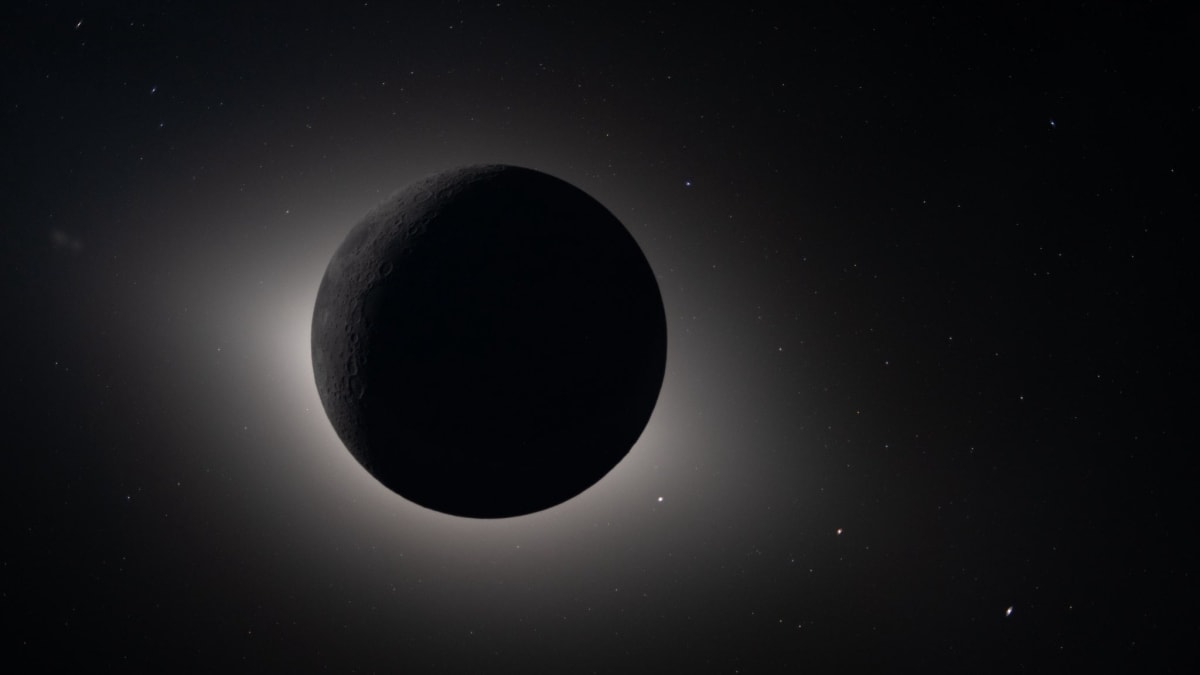
The Artemis II crew traveled 252,760 miles from Earth during their historic lunar flyby, breaking the human distance record by 4,100 miles. As they slipped behind the moon's far side, they entered complete radio silence for 40 minutes and witnessed something no human had ever seen: Earth and the sun both blocked by the lunar disk.
"When we were on the far side of the moon, looking back at Earth, you really felt like you weren't in a capsule," said mission specialist Jeremy Hansen. "You'd been transported to the far side of the moon."
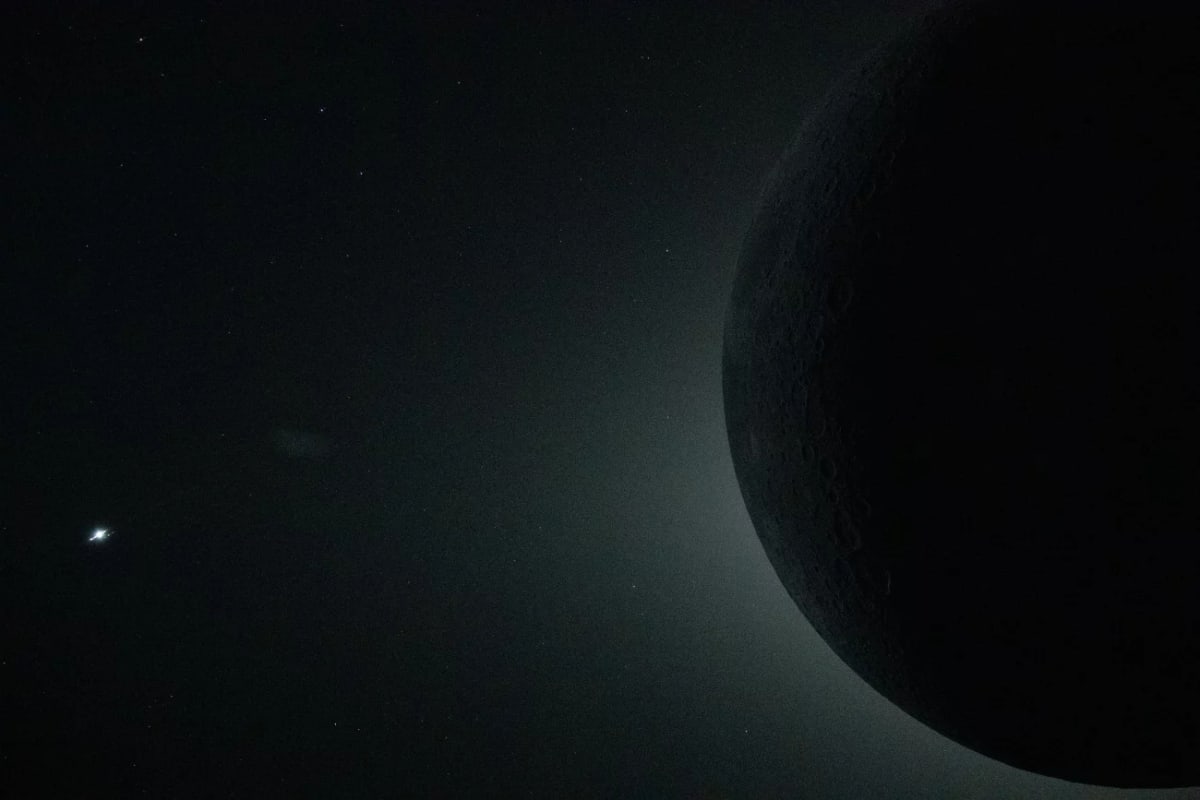
The eclipse lasted about an hour in totality. During that time, pilot Victor Glover and his crewmates spotted Mars, Venus, and Saturn shining brightly alongside the stars, while wisps of the sun's corona created what they described as "baby hairs" around the moon's edge.
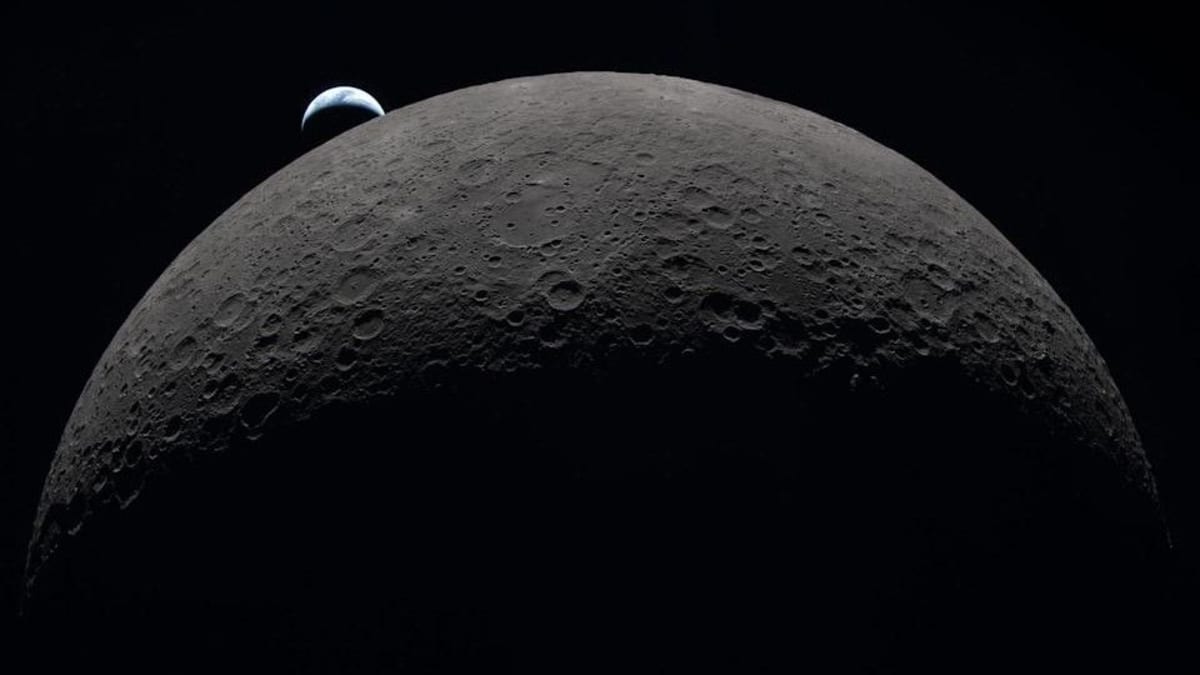
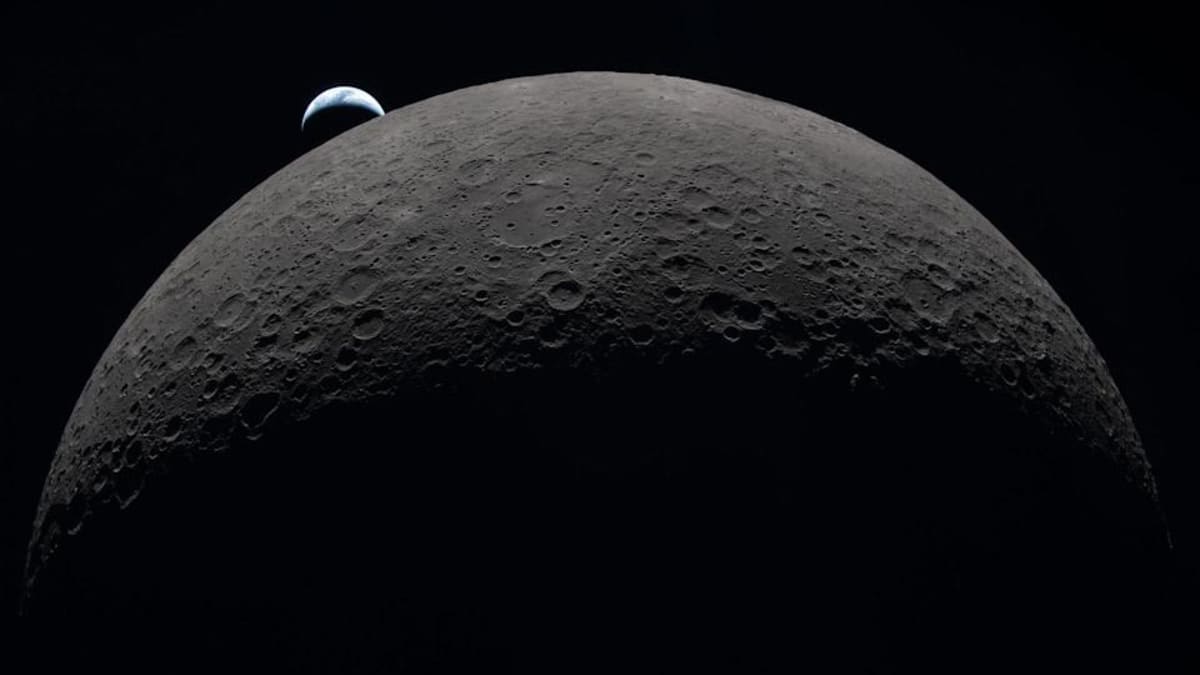
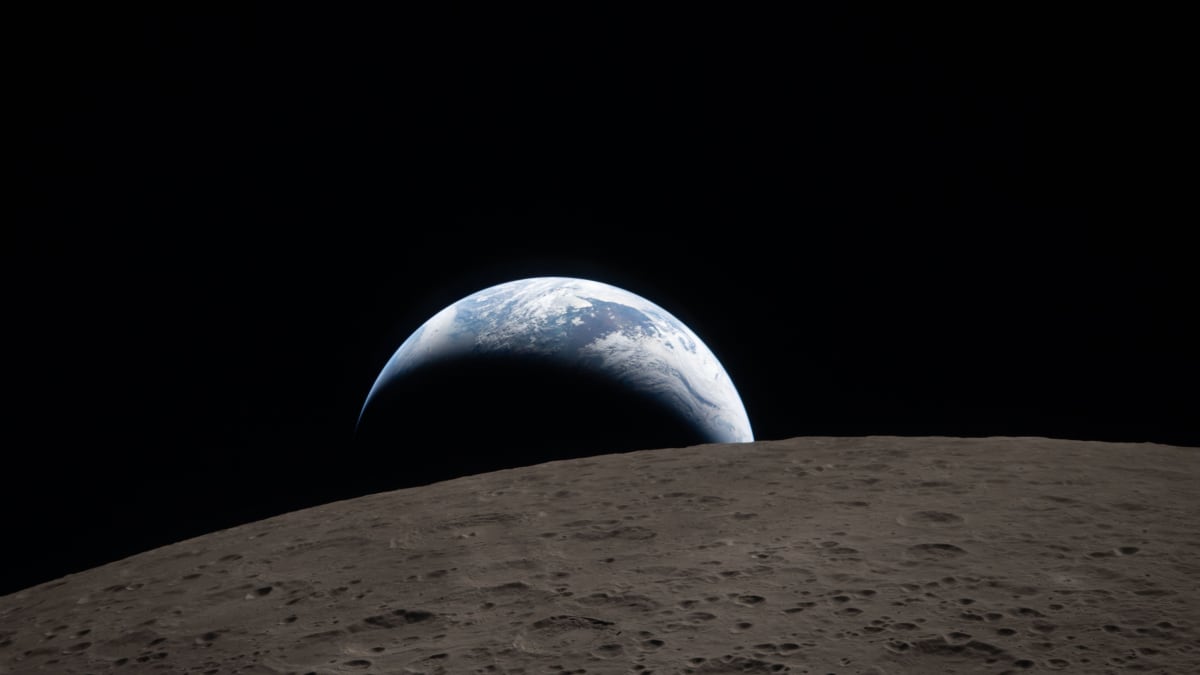
NASA released several stunning images from the mission, including one dubbed "Earthset" that mirrors the famous 1968 "Earthrise" photo from Apollo 8. The new image shows our planet disappearing behind the moon's cratered surface, with a shadow line marking where billions of people slept as history unfolded above them.
The crew, which includes Christina Koch and commander Reid Wiseman, became the first people to see the entire lunar far side. Previous Apollo missions couldn't achieve this view due to their different flight paths.
"There's just so much magic in the terminator," Glover radioed to mission control, describing the line between day and night on the moon. "The islands of light, the valleys that look like black holes. It's just so visually captivating."
The astronauts discovered two previously unknown lunar craters and even witnessed meteor impacts in real time as space rocks crashed into the moon's surface. They documented green and brown hues across the lunar landscape using smartphones, feeding valuable data back to NASA scientists studying how the moon and Earth formed.
Why This Inspires
This mission proves that humanity's greatest adventures are still ahead of us. The crew requested to name their discovered craters Integrity, after their capsule's call sign, and Carroll, honoring Wiseman's late wife, a touching reminder that exploration carries our most human stories into the cosmos.
Like the astronauts before them, all four crew members said the experience changed them forever. Their journey shows that pushing boundaries doesn't just advance science, it expands what's possible for everyone watching from home.
More Images
Based on reporting by Live Science
This story was written by BrightWire based on verified news reports.
Spread the positivity!
Share this good news with someone who needs it