%2Ffile%2Fattachments%2Forphans%2FGettyImages-2269645695_204396.jpg)
Artemis II Crew Breaks 56-Year Space Record at Moon
Four astronauts just became the farthest-flying humans in history, soaring 252,000 miles from Earth during humanity's return to deep space. They're now racing home after spending six hours studying the moon's surface and capturing a rare solar eclipse from beyond.
Four astronauts have shattered a 56-year-old distance record, traveling farther from Earth than any human before them as they loop around the moon and head home this week.
NASA's Artemis II crew reached 252,000 miles from Earth on Monday, breaking the Apollo 13 record by 4,000 miles. Astronauts Reid Wiseman, Victor Glover, Christina Koch, and Canadian astronaut Jeremy Hansen launched from Florida last week on the first crewed deep space mission in over five decades.
The team spent six hours flying just 4,000 miles above the lunar surface, describing what they saw in real-time to scientists packed in rooms back at Mission Control in Houston. This kind of direct observation from human eyes hasn't happened in generations, giving researchers a chance to ask questions and get immediate answers from their colleagues in deep space.
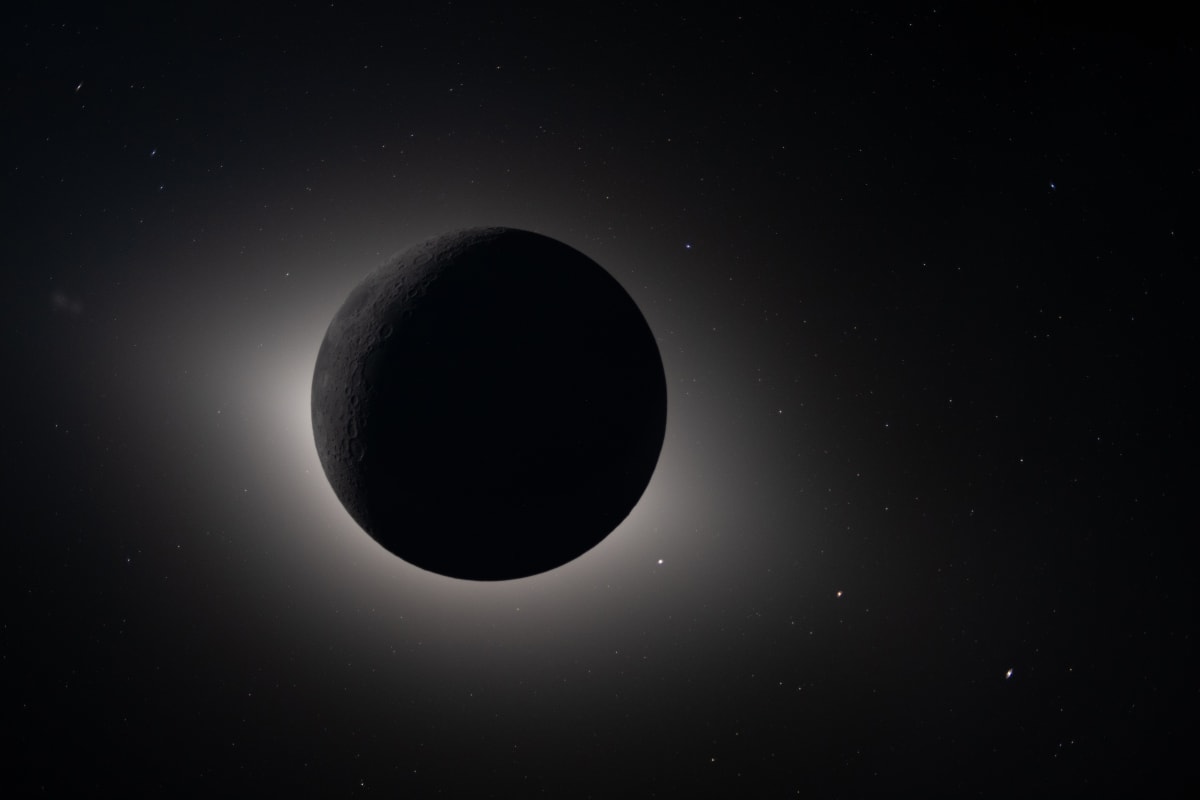
During their flyby, the crew captured something extraordinary: a total solar eclipse from the far side of the moon. From their unique vantage point, the moon blocked the sun completely for 54 minutes, revealing the sun's glowing corona in stunning detail and offering views impossible to see from Earth.
The mission represents the first wave of NASA's Artemis program, a multibillion-dollar effort to return humans to the moon's surface by 2028 and establish a permanent lunar base. The ultimate goal stretches even further: using the moon as a stepping stone for future missions to Mars.
Scientists on Earth listened eagerly to every observation the crew shared. Christina Koch described the moon before launch as a "witness plate" to our solar system's formation, holding clues to mysteries about how our cosmic neighborhood came to be.
All spacecraft systems are running smoothly as the Orion capsule makes its way back to Earth. The crew will splash down off the coast of San Diego, California on Friday evening, capping a nearly 10-day journey that pushed the boundaries of human exploration.
The Ripple Effect
This mission marks more than just broken records. By bringing human observation back to deep space, Artemis II is reopening doors that closed when the Apollo program ended in 1972.
The conversations between the astronauts and lunar scientists this week have already generated pages of notes and sparked new debates about what future crews might discover. Each observation from the crew's six-hour flyby adds data that satellites and telescopes simply cannot provide.
The success of this flight paves the way for upcoming missions that will actually land on the lunar surface, where astronauts will conduct longer studies and build infrastructure for extended stays. Future crews will use these facilities to prepare for the enormous challenge of sending humans to Mars.
As the Orion capsule plunges through Earth's atmosphere at speeds reaching 23,839 mph on Friday night, it will carry not just four record-breaking astronauts, but renewed momentum for humanity's next giant leap into the cosmos.
More Images


Based on reporting by Daily Maverick
This story was written by BrightWire based on verified news reports.
Spread the positivity!
Share this good news with someone who needs it