Artemis II Crew Returns After First Moon Mission in 50 Years
Four astronauts safely returned to Earth Friday after humanity's first trip to the moon in over half a century, traveling farther into space than anyone in history. The successful 10-day mission marks the beginning of NASA's plan to return to the moon and stay.
After a decade-long journey back to lunar exploration, four astronauts splashed down safely in the Pacific Ocean Friday evening, completing humanity's first moon mission in 52 years.
Commander Reid Wiseman, pilot Victor Glover, and mission specialists Christina Koch and Jeremy Hansen traveled 252,000 miles from Earth during their 10-day voyage. They flew farther from our planet than any humans before them, circling the moon and proving we're ready to return.
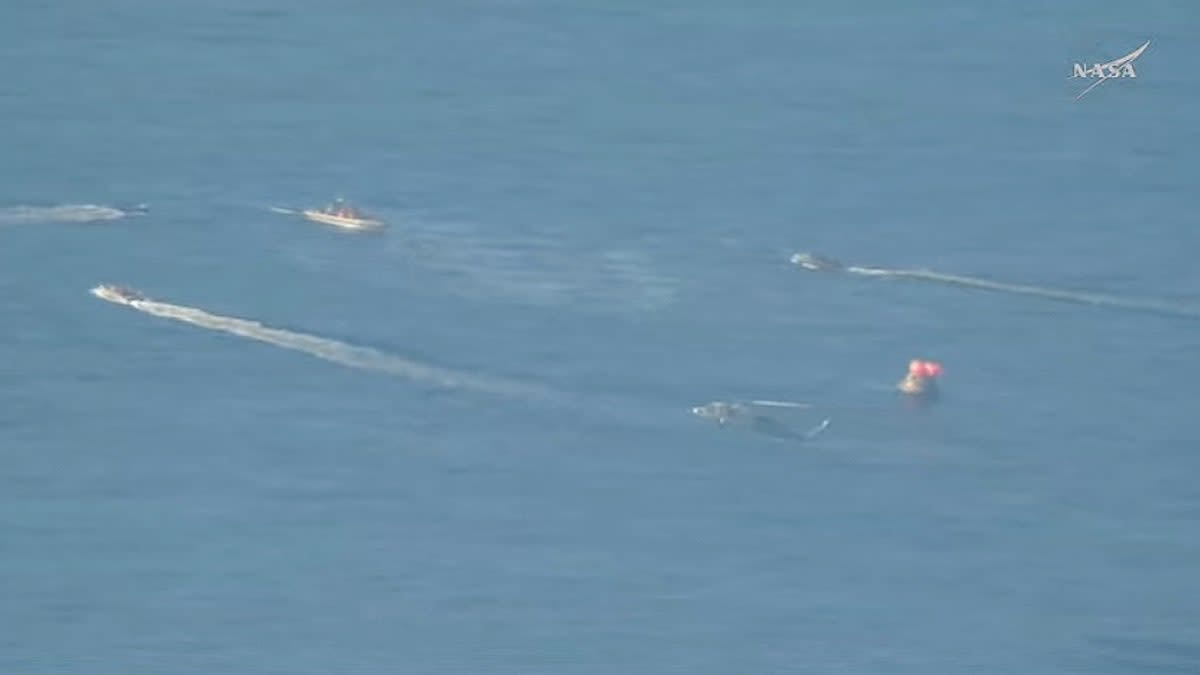
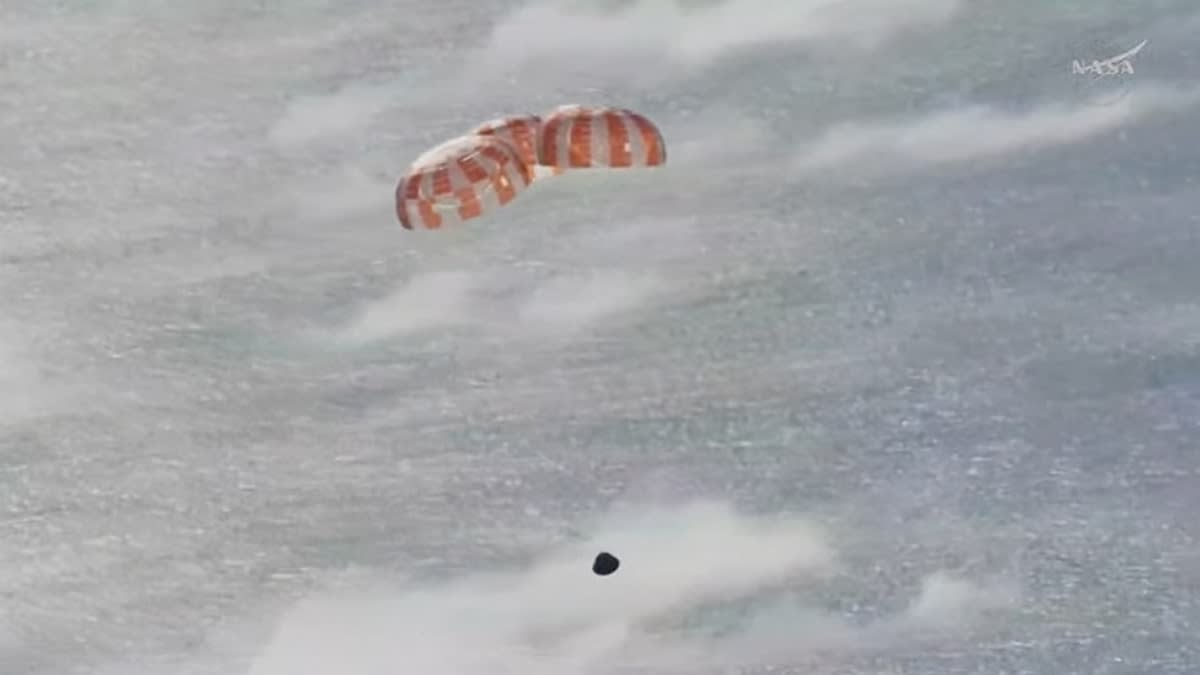
The Orion capsule screamed back into Earth's atmosphere at 25,000 mph on Friday evening, its heat shield enduring temperatures of 5,000 degrees Fahrenheit. An 11-parachute sequence slowed the spacecraft to just 20 mph before it gently touched down 60 miles off the San Diego coast at 5:07 p.m. Pacific Time.
Recovery teams aboard the USS John P. Murtha pulled the crew from the capsule and brought them aboard for medical evaluation. All four astronauts were safe and healthy after their historic journey.
NASA Administrator Jared Isaacman, who greeted the recovery teams before splashdown, captured the moment's significance perfectly. "For the first time, we've gone into the lunar environment in more than half a century," he said. "We are back in the business of sending astronauts to the moon again."
The Ripple Effect
This mission is just the beginning of something much bigger. When Artemis III launches in 2028, astronauts will actually land on the lunar surface for the first time since 1972's Apollo 17 mission.
But this time, NASA isn't planning a quick visit and return. The agency intends to establish a permanent moon base, creating a lasting human presence on another world. This lunar outpost could serve as a stepping stone for future missions to Mars and beyond.
The successful splashdown proves that the technology works and that humanity is ready to expand our reach into the solar system. What started as a 10-day test flight is paving the way for a permanent return to Earth's nearest neighbor.
After more than five decades away, we're going back to the moon, and this time we're staying.
More Images


Based on reporting by Fox News Latest Headlines (all sections)
This story was written by BrightWire based on verified news reports.
Spread the positivity!
Share this good news with someone who needs it