Artemis II Crew Spots 4 Meteor Strikes on Moon's Dark Side
Astronauts on NASA's Artemis II mission watched tiny meteorites slam into the moon in real time, sparking cheers from scientists tracking risks to future lunar bases. The rare observations during a total solar eclipse will help protect crews returning to the moon by 2028.
Scientists literally screamed with delight when Artemis II astronauts reported seeing bright flashes exploding across the moon's surface during their historic flyby on April 6.
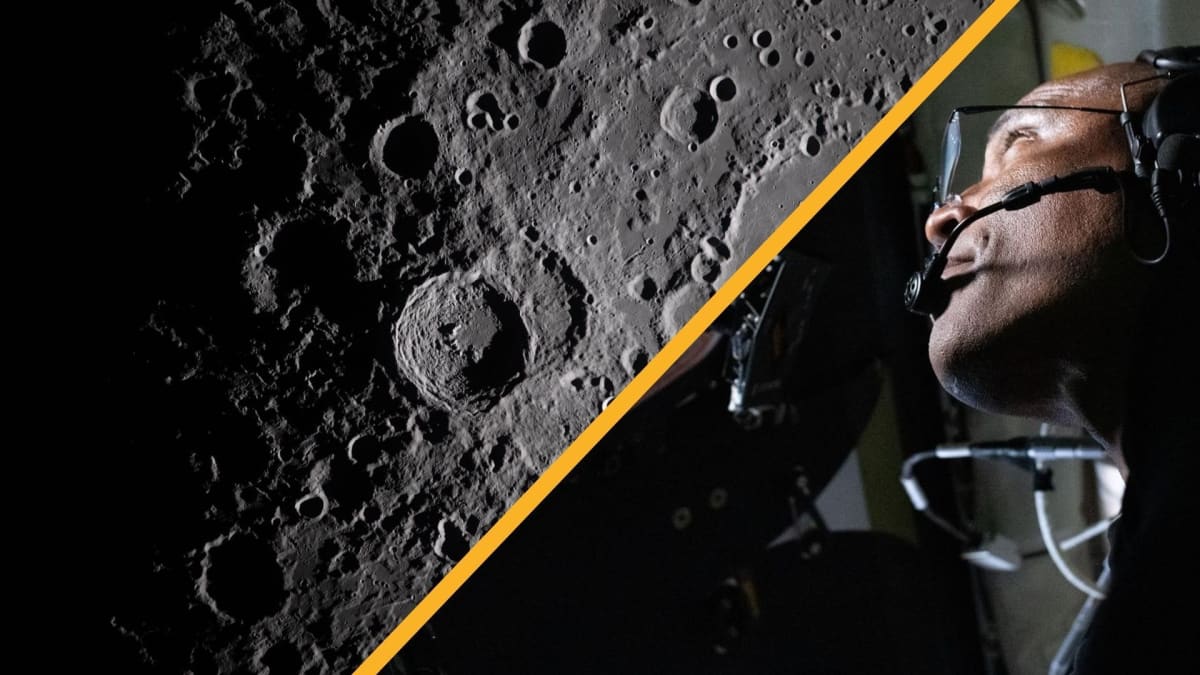
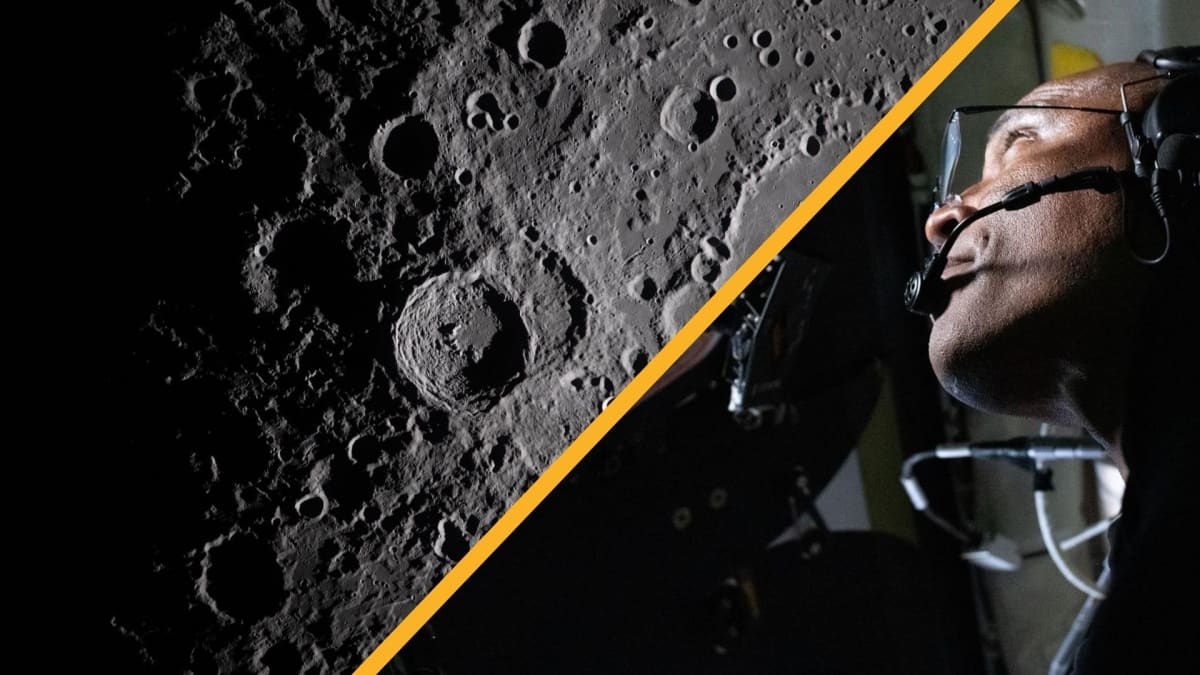
Commander Reid Wiseman and his crew spotted at least four meteor impacts during a spectacular moment when the moon blocked the sun, creating a total solar eclipse that plunged the lunar far side into complete darkness for nearly an hour. Against that pitch-black backdrop, the millisecond-long flashes lit up like fireworks.
"There was a little bit of giddiness," Wiseman radioed to mission control in Houston, his voice rising with excitement as crewmate Jeremy Hansen spotted yet another flash. Science officer Kelsey Young raised her hand to her forehead in awe as the reports came in.
The excitement goes far beyond the thrill of witnessing cosmic collisions from just a few thousand miles away. These observations give scientists crucial data about when and where space rocks strike the moon, information that could protect future lunar bases and astronauts living on the surface.
Space rocks slam into the moon at tens of thousands of miles per hour, and without an atmosphere to slow them down, larger impacts pose real risks to critical infrastructure and crew safety. Small impacts happen almost daily on the heavily cratered lunar surface, but scientists need to plan for the bigger, less frequent strikes that could cause serious damage.
"One has to plan for the less-frequent, more hazardous events," David Kring, a scientist at the Lunar and Planetary Institute in Houston, explained. The impacts create shock waves called moonquakes that ripple through the moon, some powerful enough to cause boulders to roll downslope or crater walls to collapse.
Why This Inspires
Back in 2016, Kring proposed that future moon explorers should try to spot these impact flashes on the lunar far side. Now his vision has become reality, with astronauts serving as humanity's eyes in the sky, watching over the moon we plan to call home.
Scientists are already working to match the crew's observations with data from the moon-orbiting Lunar Reconnaissance Orbiter. They're extracting details about the flashes' brightness, the meteorites' masses, and whether the strikes created fresh craters on the surface.
The findings will improve existing models of how frequently impacts occur and how dangerous they might be. NASA plans to deploy seismometers through robotic missions ahead of crewed landings planned for 2028 and beyond, creating a comprehensive monitoring system that combines astronaut observations with instruments on the ground and in orbit.
Four fleeting flashes of light just became a roadmap for safely bringing humans back to the moon.
More Images



Based on reporting by Live Science
This story was written by BrightWire based on verified news reports.
Spread the positivity!
Share this good news with someone who needs it