Mars Had Warm Water for Millions of Years, NASA Finds
NASA's Curiosity rover discovered that warm, potentially life-friendly water existed deep beneath Mars' surface for up to 4.7 million years, long after the planet's climate turned cold. Tiny iron crystals in Martian rock revealed this hidden story of ancient habitable conditions.
NASA scientists just found evidence that Mars stayed warm and wet underground for millions of years longer than anyone thought, opening a new window into where ancient life might have thrived.
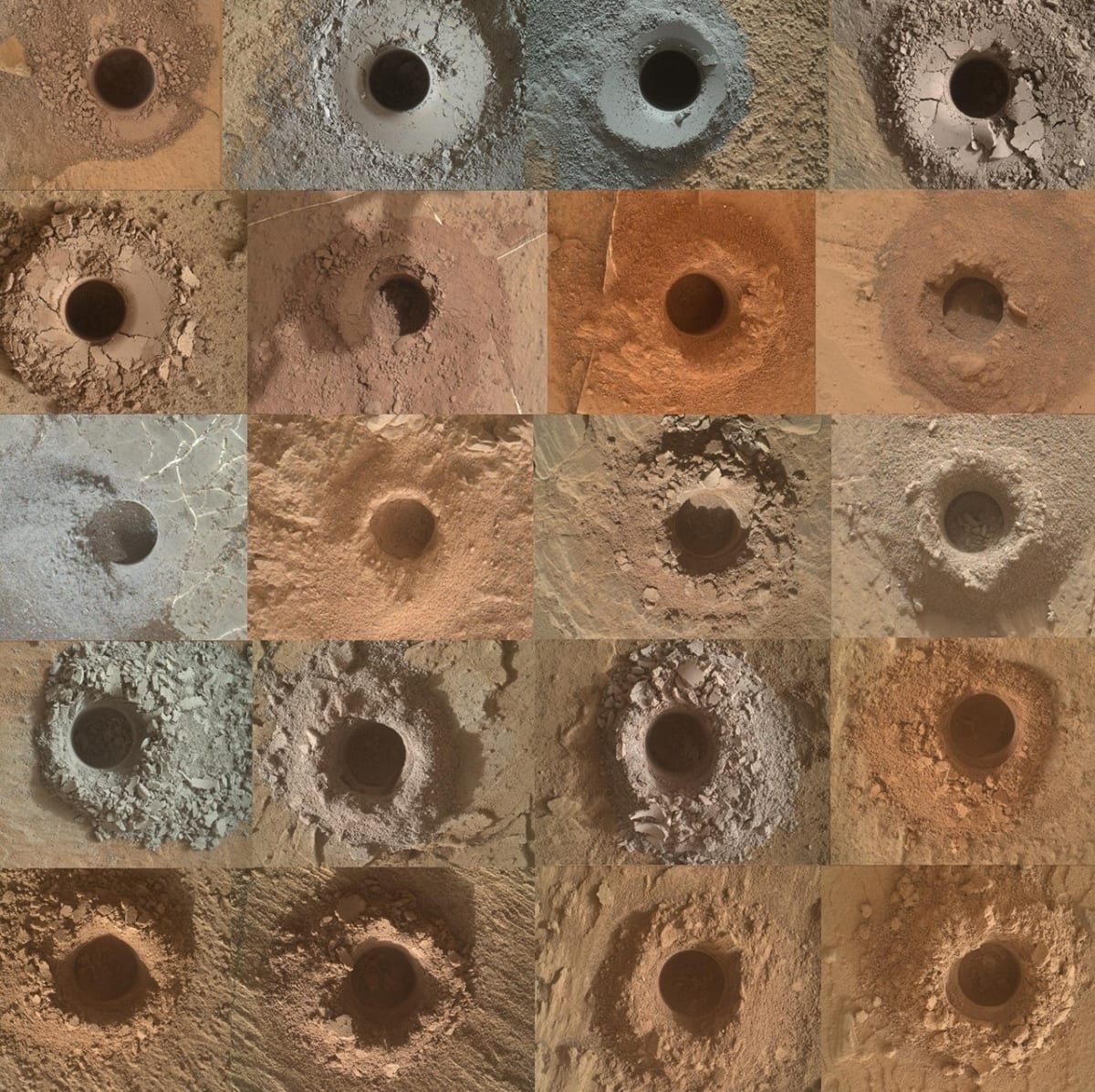
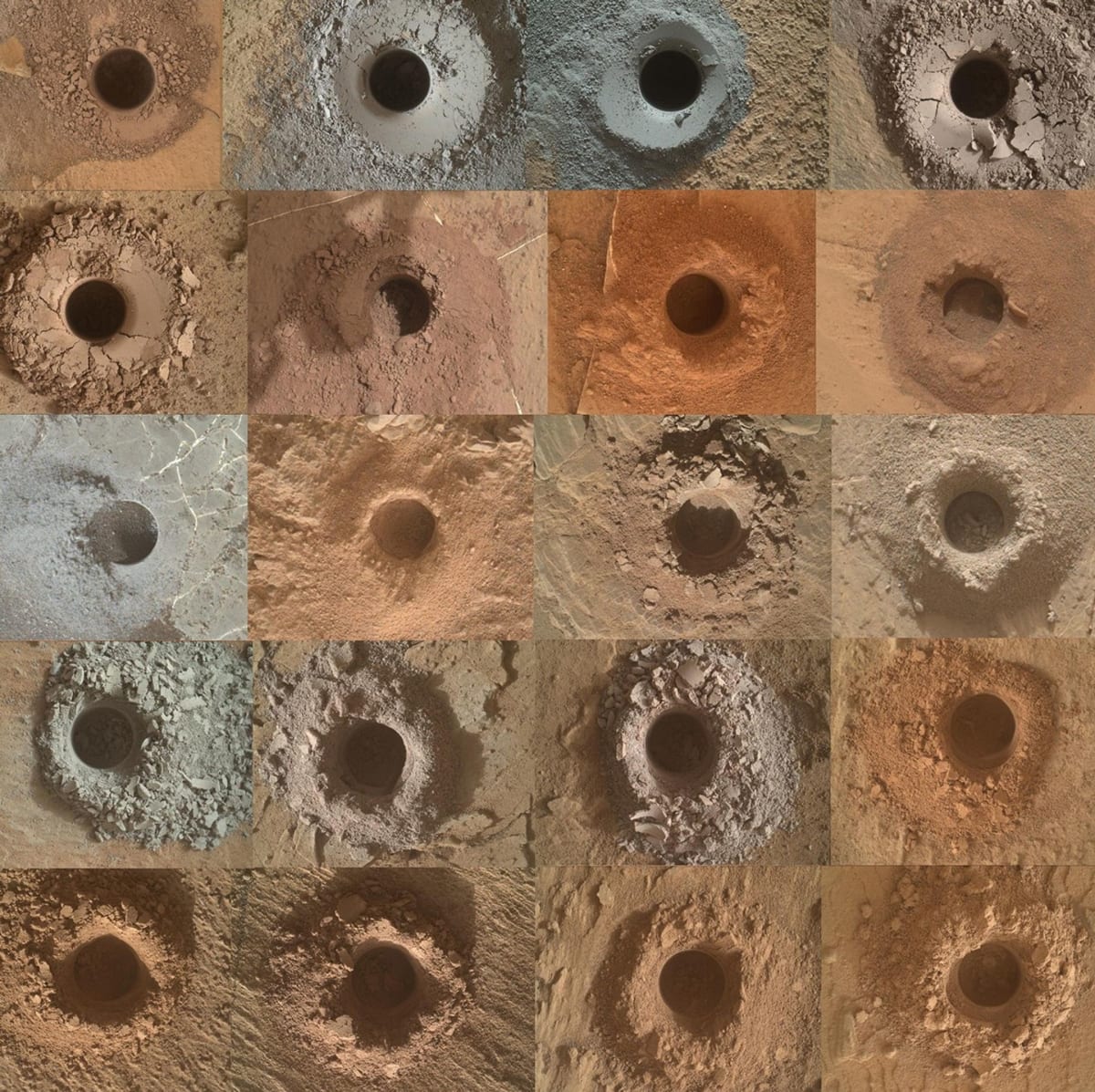
The Curiosity rover analyzed 20 rock samples from different depths in Gale Crater and discovered something remarkable. Tiny crystals of hematite, an iron oxide mineral, acted like microscopic time capsules that recorded ancient climate conditions based on their size and shape.
Scientists found that hematite crystals deep in the crater measured up to 65 nanometers, while those near the surface were less than 10 nanometers. That size difference tells a powerful story about Mars' past.
"What we found was that warm and wet conditions were present for extended periods in buried rocks, despite Mars' climate becoming colder," said Tanya Peretyazhko, a planetary scientist at NASA's Johnson Space Center. The warmer temperatures underground allowed the crystals to grow larger through a process where smaller crystals dissolve and feed bigger ones.
The team published their findings Thursday in Science after studying data from Curiosity's Chemistry and Mineralogy instrument. The research suggests warm groundwater persisted in Gale Crater's deepest layers for up to 4.7 million years, potentially creating habitable conditions long after the surface turned cold and dry.
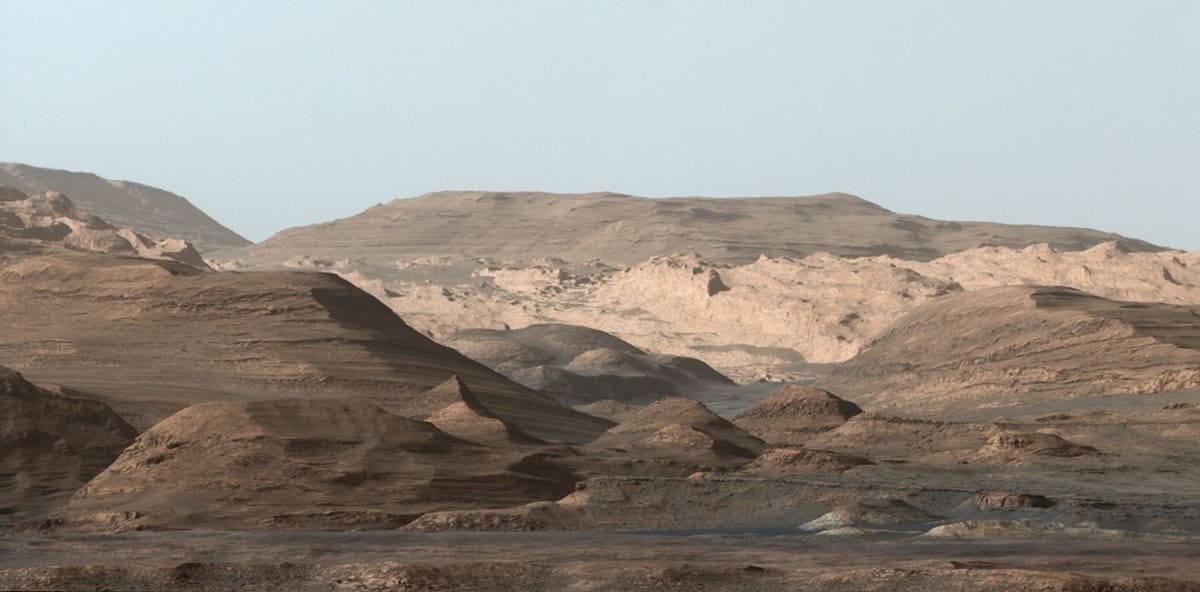
Gale Crater works like a geological time machine, with deeper layers capturing Mars' earliest years. The rover drilled into various elevations, and scientists noticed another clue: a mineral called goethite appeared in higher, younger layers but vanished in the older, deeper ones.
Under warm conditions with neutral or slightly alkaline water, goethite transforms into hematite. The presence of both minerals in younger rocks but only hematite in older ones confirmed that deep underground aquifers stayed warmer for extended periods.
What makes this study special is that it relies on actual Martian samples rather than computer models or satellite images. Curiosity's robotic arm delivered powdered rock directly into the CheMin instrument for precise X-ray analysis.
"It doesn't just tell you there is hematite," explained Ashwin Vasavada, Curiosity's project scientist. "One can use the data to extract the size and shape of the hematite crystallites and the presence of other related minerals, all of which were necessary to produce this result."
Why This Inspires
This discovery transforms how we think about life beyond Earth. While Mars' surface became a frozen desert billions of years ago, warm water flowed underground like a hidden oasis. Those deep aquifers could have sheltered microbial life for millions of years, protected from the harsh surface conditions.
The research also showcases human ingenuity at its finest. A robot millions of miles away is reading ancient climate records written in crystals smaller than a virus, solving mysteries about when and where life might have existed on another world.
Each rock Curiosity analyzes brings us closer to answering one of humanity's biggest questions: Are we alone?
More Images


Based on reporting by NASA
This story was written by BrightWire based on verified news reports.
Spread the positivity!
Share this good news with someone who needs it