Astronaut's Nikon Photo Leads to Space Discovery
A handheld camera shot from the Artemis II mission just proved that everyday technology can unlock cosmic secrets. The image captured during a lunar eclipse helped scientists make a genuine breakthrough in understanding our solar system.
When Artemis II astronauts snapped a photo of the sun hiding behind the moon last April, they had no idea their picture would advance human knowledge of space.
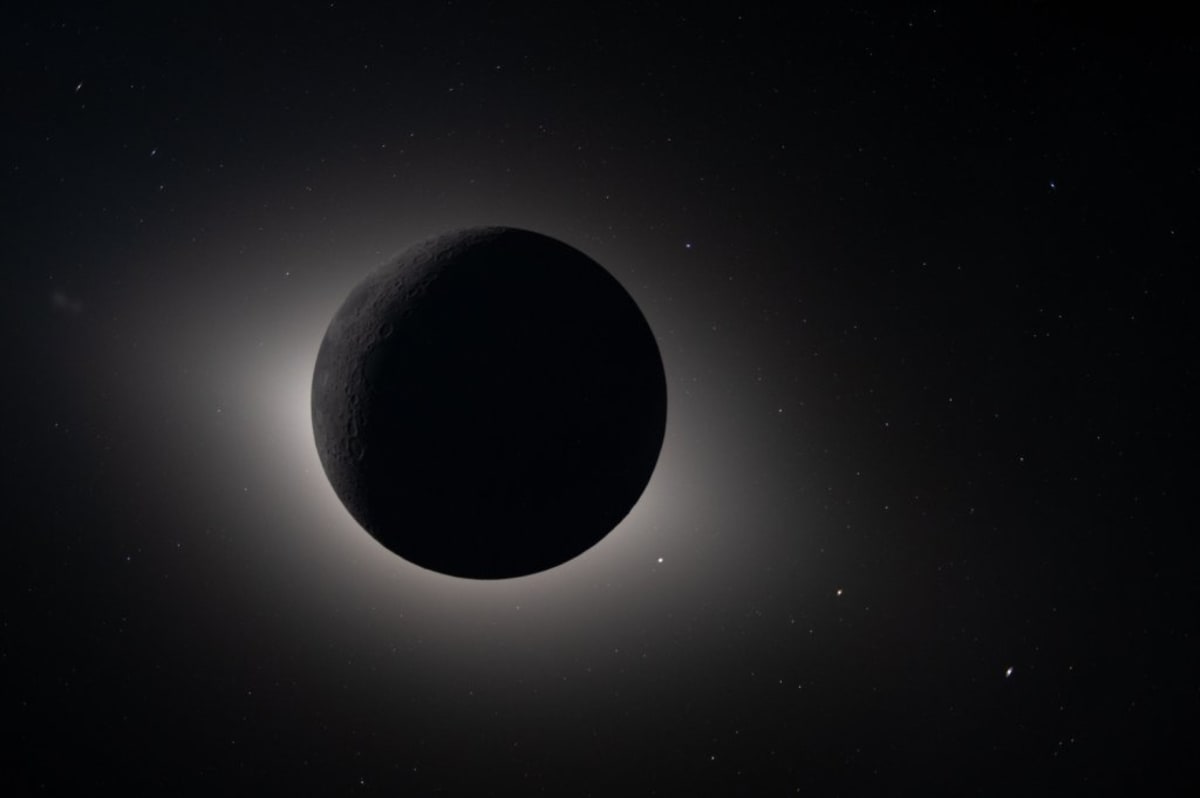
Using a commercially available Nikon Z9 camera with a basic 35mm lens, the crew captured "Artemis II in Eclipse" during their historic lunar flyby. The two-second handheld exposure showed the sun eclipsed by the moon, with Saturn and Mars visible in the frame. The astronauts witnessed this celestial alignment for nearly an hour at just 4,067 miles from the lunar surface.
Months later, researchers at Tokyo City University discovered something remarkable hidden in that image. The photo contained scientifically valuable data about the inner zodiacal cloud, a dusty region of our solar system that scatters sunlight near celestial bodies.
Associate Professor Kohji Tsumura admitted he was initially skeptical about analyzing a JPEG file from a consumer camera. But the Z9's high resolution, wide dynamic range, and low-noise performance captured details comparable to professional astronomical equipment. The camera's ability to record even the faintest light around the sun made genuine scientific discovery possible.
The breakthrough demonstrates that modern digital cameras have reached a level where amateur photographers and astronauts with standard gear can contribute meaningful data to professional research. Ko Arimatsu, a senior lecturer at Japan's National Astronomical Observatory, confirmed the images provided valuable insights into properties of interplanetary dust near the Moon.
Why This Inspires
This discovery represents a democratization of space science. For decades, astronomical research required specialized, expensive equipment accessible only to funded institutions. Now, the same camera available at your local electronics store can capture data that advances our understanding of the cosmos.
The Nikon Z9 has been part of NASA missions since Apollo 15 over five decades ago, but this marks the first time a handheld shot from a crewed mission led directly to a published scientific finding. The researchers believe this opens doors for amateur astronomers and photographers worldwide to contribute unexpected discoveries.
Hiroyuki Ikegami, Nikon's Senior Executive Vice President, called it "a powerful reminder of what imaging can make possible when science, exploration, and human curiosity come together." The next groundbreaking space observation might come from anyone with a camera and clear skies.
Based on reporting by Google: scientific discovery
This story was written by BrightWire based on verified news reports.
Spread the positivity!
Share this good news with someone who needs it