Artemis II Splashdown Opens New $1.8T Moon Economy
The Artemis II crew just completed humanity's most ambitious lunar mission in 50 years, and it's launching a trillion-dollar space industry that could revolutionize healthcare and clean energy here on Earth. Sixty-one nations worked together to make this moment possible.
When the Orion capsule splashed down off San Diego's coast this week, it carried more than four astronauts home. It brought proof that humanity is ready to build a permanent economy on the moon.
The Artemis II mission brought together 61 nations under the Artemis Accords, including Canada's first astronaut to orbit the moon, Colonel Jeremy Hansen. This wasn't just a victory lap around our nearest neighbor. It was a successful test of the technology needed to build what experts are calling "Moonfra," the infrastructure for a permanent lunar presence.
The mission opens doors to solutions that sound like science fiction but are becoming science fact. Researchers plan to use the moon's unique environment to develop new medicines for cancer, heart disease, and neurological conditions. The lunar surface contains rare materials crucial for electronics and helium-3, a game-changer for clean energy, quantum computing, and medical imaging.
Dr. Anna Brady-Estevez of American DeepTech, a venture firm focused on frontier technologies, calls this the transition from exploration to industrialization. Her team worked with former NASA and US Space Force officials who've managed over $150 billion in space assets. They're now partnering with Switzerland and Liechtenstein's Center for Space and Aviation to bridge European and American space economies.
The next step is building a $20 billion moon base. To make it happen, investment firms are bringing financial tools from Earth to space, potentially leveraging that initial investment into $100 billion worth of infrastructure. That means factories, data centers, and resource extraction facilities on the lunar surface.
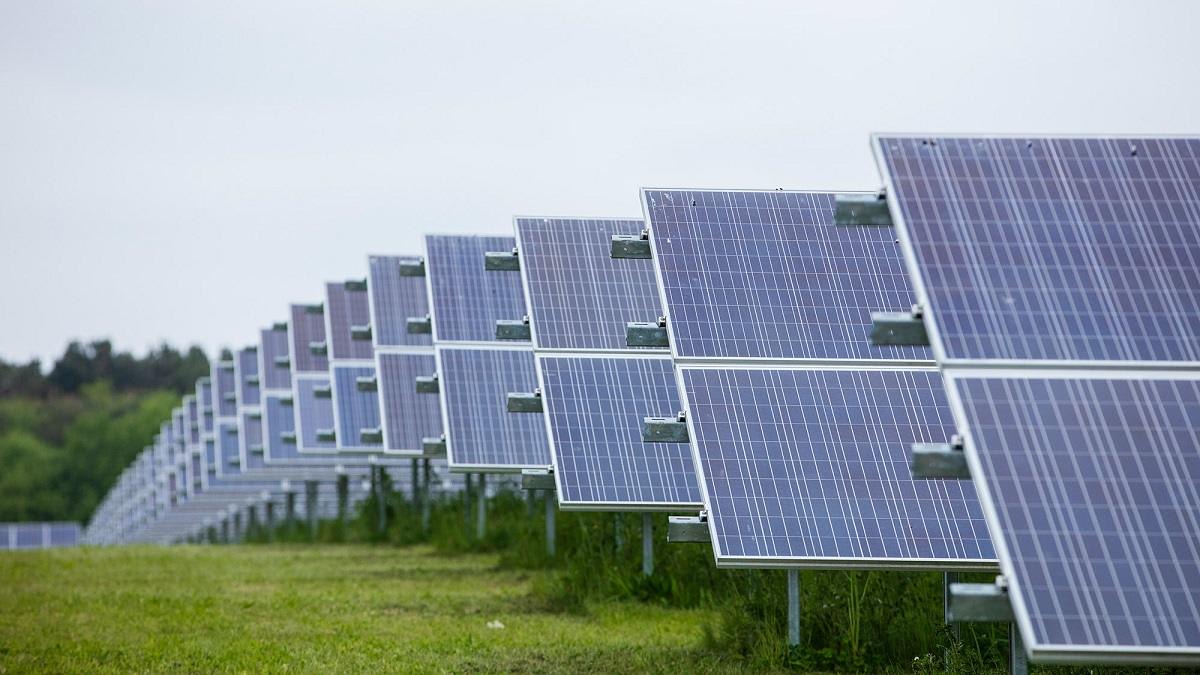
Power remains a challenge. The lunar night lasts 14 Earth days, too long for solar panels alone. American DeepTech is exploring small modular nuclear reactors designed for both space and Earth applications to provide reliable baseload power through those long dark periods.
The space economy could reach $1.8 trillion by 2035, according to industry projections. Switzerland's 500 space specialists and two decades of microgravity research experience position Europe as a key player in this new industrial revolution.
The Ripple Effect
This mission proves international cooperation can achieve extraordinary things. Young engineers, scientists, and entrepreneurs worldwide now have a clear invitation to join an industry that didn't exist a generation ago. The technologies developed for lunar infrastructure will solve problems here on Earth, from clean energy to life-saving medicines.
What started as a loop around the moon is becoming a bridge to humanity's next chapter, one where space isn't just a destination but a workplace, laboratory, and home.
More Images

Based on reporting by Google: space mission success
This story was written by BrightWire based on verified news reports.
Spread the positivity!
Share this good news with someone who needs it