Arthritis Drug Restores Hair in 1,400 Alopecia Patients
An arthritis medication helped more than half of severe alopecia patients regrow at least 80% of their hair in a groundbreaking clinical trial. Some participants even saw complete hair restoration after 24 weeks of treatment.
Scientists just discovered that a common arthritis drug can restore hair in people living with severe alopecia, giving hope to millions worldwide who face this challenging autoimmune condition.
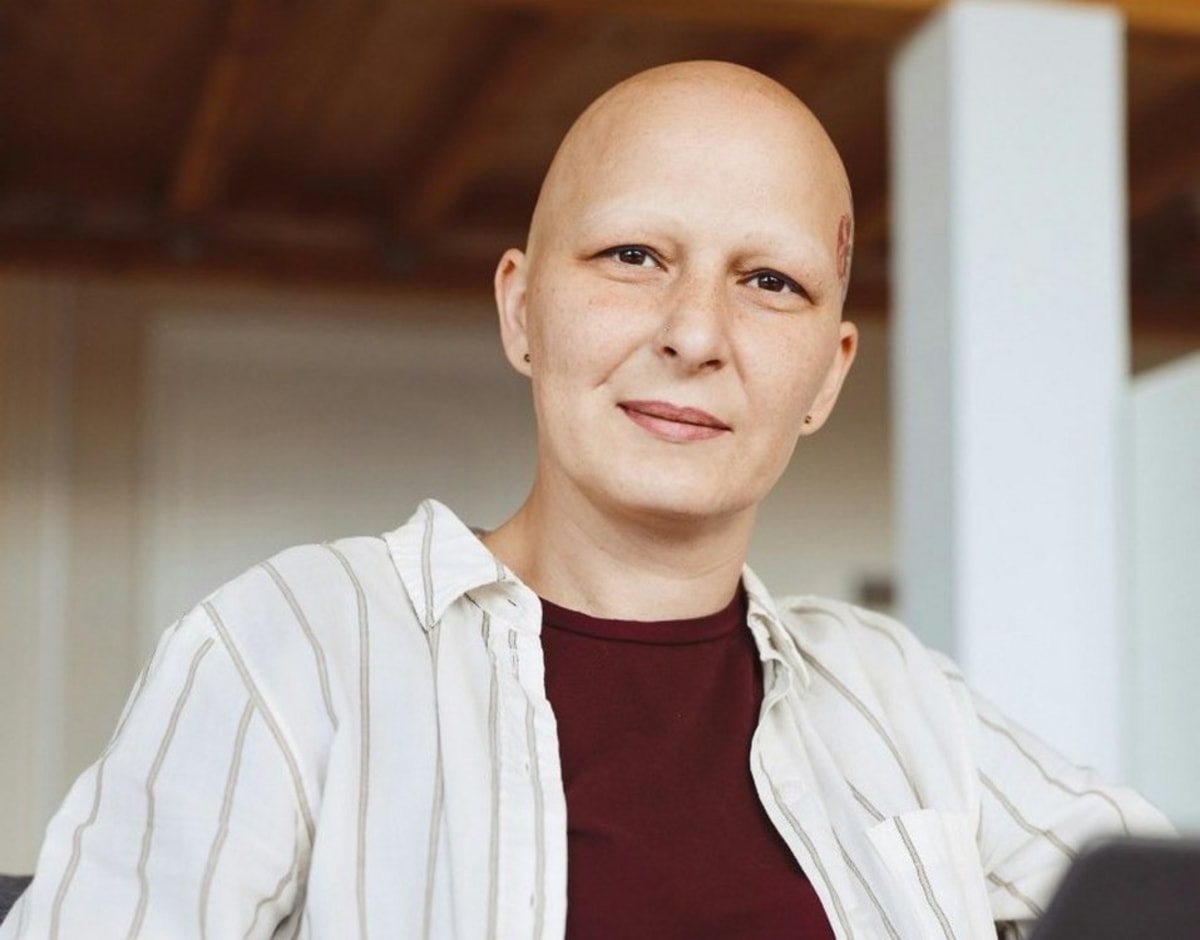
Around 2% of people globally live with alopecia areata, a condition where the immune system mistakenly attacks hair follicles. While reversible in theory, stopping this autoimmune response has proven incredibly difficult until now.
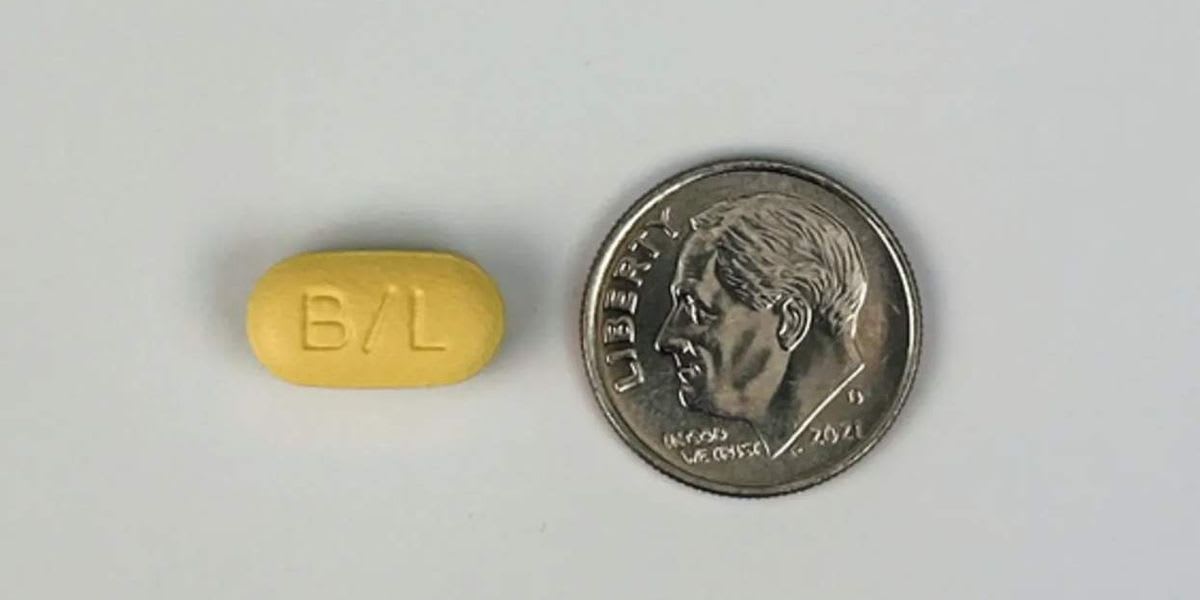
Researchers tested the anti-inflammatory drug upadacitinib on 1,399 participants aged 12 to 64, all of whom had lost at least half their scalp hair. The parallel phase 3 trials ran for 24 weeks, comparing low and high doses against a placebo.
The results came faster than expected. By week eight, patients taking either dose showed notable hair regrowth compared to those on placebo. By the end of the trial, 44% of people taking 15 milligrams achieved 80% scalp and eyebrow coverage, while 55% of those on the higher 30-milligram dose reached the same milestone.
Even more remarkable, between 13% and 22.5% of participants got all their scalp hair back, depending on their dosage. That means dozens of people who had experienced the emotional toll of significant hair loss suddenly saw complete restoration.
The study did report some serious side effects in a small number of patients, though none of the complications were new or unexpected for this type of medication. No deaths occurred during the trial. Meanwhile, many participants scored higher on quality of life measurements, including for depression.
Why This Inspires
The researchers emphasized that in a disease carrying such heavy emotional and psychological weight, translating clinical responses into meaningful quality of life improvements matters just as much as the physical results. Hair regrowth represents more than appearance for many people living with alopecia. It can mean restored confidence, reduced social anxiety, and freedom from daily stigma.
The trial was funded by a company that produces upadacitinib and included company employees, so independent research will be important moving forward. The study did pass peer review, adding credibility to the findings.
For now, the success stories speak volumes. People who felt the sting of unwanted hair loss are looking in the mirror and seeing their hair return.
More Images




Based on reporting by Good News Network
This story was written by BrightWire based on verified news reports.
Spread the positivity!
Share this good news with someone who needs it