Arthritis Drug Shows Promise for Treatment-Resistant Depression
UK researchers found that tocilizumab, a common arthritis medication, helped people with depression who didn't respond to standard antidepressants. The breakthrough could offer hope to millions struggling with treatment-resistant depression.
For the first time, scientists have shown that an arthritis drug might help people whose depression hasn't responded to traditional treatments.
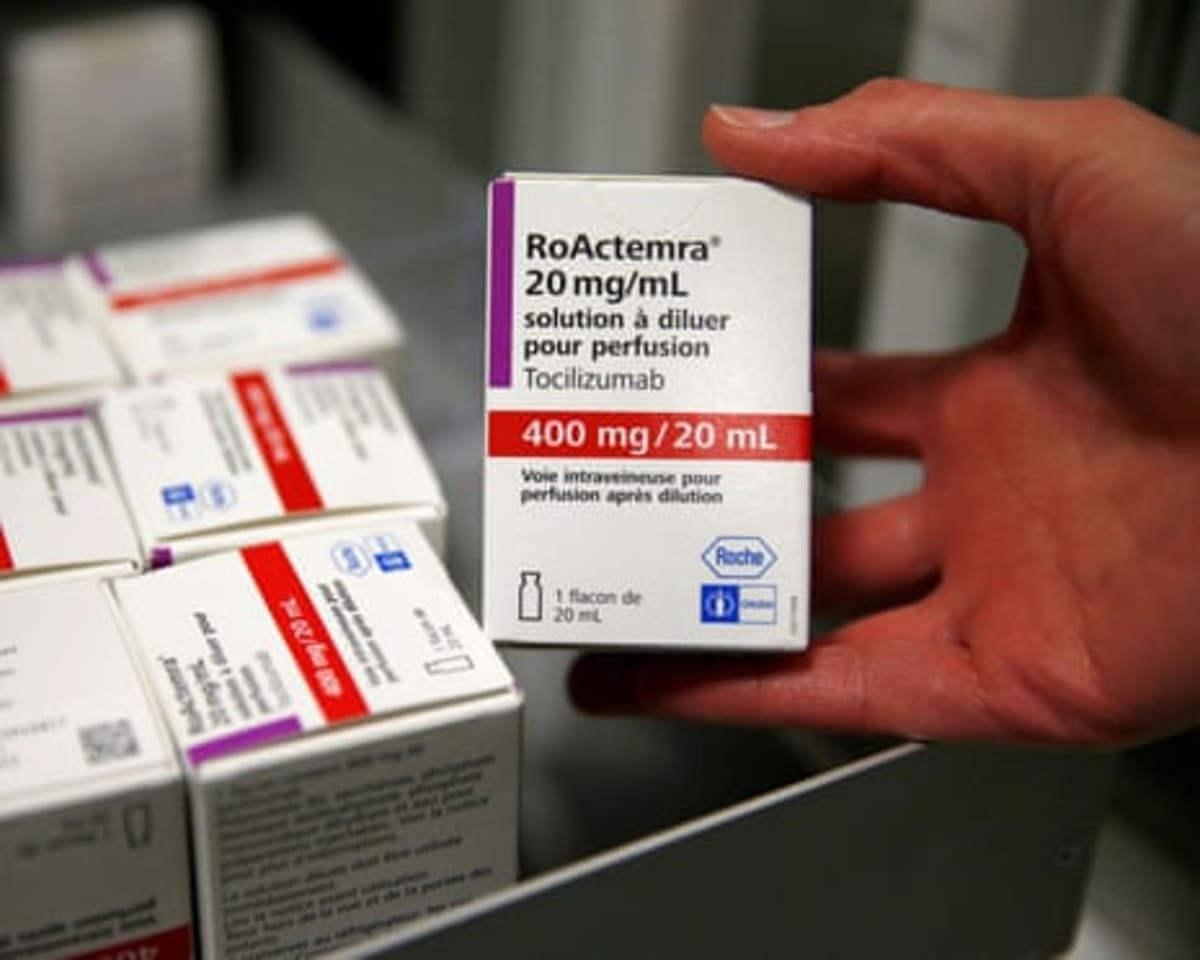
Researchers at the University of Bristol tested tocilizumab, an anti-inflammatory medication typically used for rheumatoid arthritis, on 30 people with moderate to severe depression. These participants hadn't improved with standard antidepressants, a frustrating reality for about one in three people battling depression.
The trial ran for four weeks, with half the group receiving tocilizumab and half getting a placebo. While the small study size meant limited statistical power, the results told an encouraging story.
People who received tocilizumab showed greater improvements across multiple measures. They experienced reductions in overall depression severity, fatigue, and anxiety, plus improvements in quality of life compared to the placebo group.
Even more promising: 54% of those treated with tocilizumab achieved depression remission, compared to just 31% in the placebo group. This means that for every five additional patients treated, one more person got better.
That actually beats the success rate of SSRIs, the most commonly prescribed antidepressants. SSRIs require treating seven people to help one additional patient, making this immunotherapy approach potentially more effective.
The drug works differently than traditional antidepressants. Instead of targeting brain chemicals directly, tocilizumab blocks inflammatory signals linked to immune conditions. This hints that inflammation might play a bigger role in depression than previously understood.
The Ripple Effect
This discovery matters beyond the trial participants. Depression affects 10 to 20% of people worldwide during their lifetime, yet current treatments leave many still suffering.
Professor Golam Khandakar, the study's senior author, calls this an "important milestone" in developing new treatments for difficult cases. It's one of the first randomized trials to test immunotherapy for depression and the first to target the specific IL-6R receptor involved in inflammation.
Dr. Éimear Foley, co-author of the study, emphasizes the bigger picture. "Our study moves us closer to more tailored depression care, where treatments are chosen to better fit a person's biology," she said.
This personalized approach means doctors could eventually match patients with treatments based on their individual biology rather than trial and error. The right treatment for the right patient at the right time.
The path forward requires larger trials to confirm these early results, but the door has opened to a new way of thinking about and treating depression.
More Images



Based on reporting by Google News - Health
This story was written by BrightWire based on verified news reports.
Spread the positivity!
Share this good news with someone who needs it