Artificial Lungs Keep Man Alive 48 Hours for Transplant
A medical breakthrough allowed a patient to survive for two full days without natural lungs, kept alive by an external artificial-lung system until a donor organ became available. This achievement marks a major step forward in bridging the gap between organ failure and life-saving transplants.
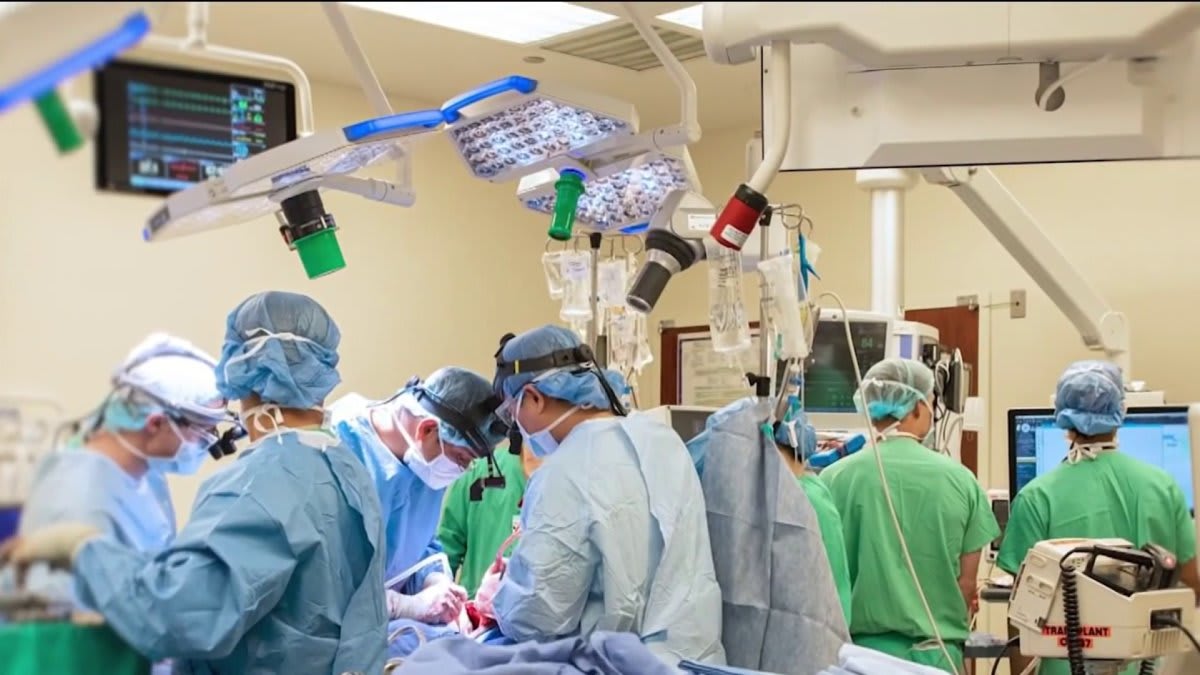
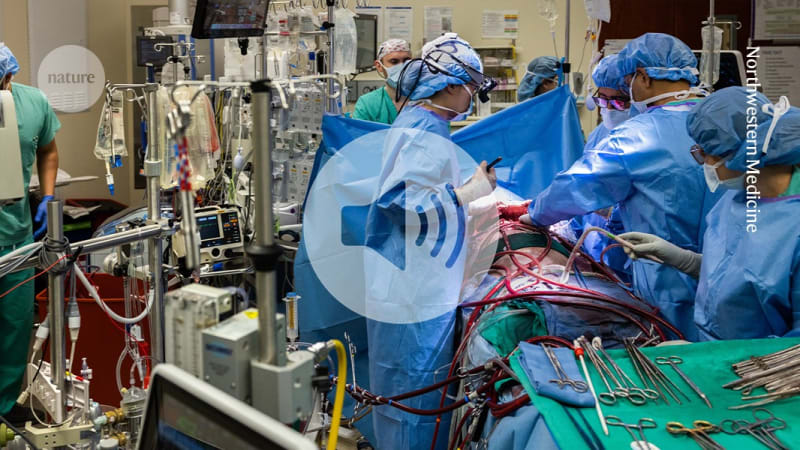
A patient just survived 48 hours without lungs, breathing only through an artificial organ system until doctors could perform a successful transplant.
The groundbreaking case demonstrates how far medical technology has advanced in keeping critically ill patients alive while they wait for donor organs. Traditional lung support systems can only sustain patients for limited periods, but this external artificial-lung technology proved it could fully replace natural lung function for multiple days.
The patient's natural lungs had failed completely, creating an urgent need for a transplant. Without this artificial system, doctors would have had only hours to find a matching donor organ.
Instead, the external lungs bought crucial time. The device took over all respiratory functions, removing carbon dioxide from the blood and adding oxygen just like healthy lungs would. For two entire days, this machine was the only thing keeping the patient breathing.
When a donor lung finally became available, surgeons successfully completed the transplant. The patient survived thanks to this technological bridge between organ failure and transplantation.
The Ripple Effect
This achievement could transform the entire field of organ transplantation. Thousands of patients die each year waiting for donor organs that arrive too late or never come at all.
The ability to keep someone alive for days without a vital organ opens new possibilities. Patients in remote areas could be sustained long enough to reach specialized transplant centers. Doctors would have more time to find the best possible donor match rather than accepting the first available organ out of desperation.
The technology also proves that fully artificial organ systems can work outside the body for extended periods. This knowledge could accelerate development of artificial hearts, livers, and kidneys that buy patients precious time.
Every hour matters when organs fail. This artificial-lung system just added 48 more hours to the clock, and that could mean the difference between life and death for countless future patients waiting for their second chance.
Medical teams worldwide are watching closely as this technology moves from experimental breakthrough to potential standard care for critically ill patients who refuse to give up hope.
More Images

Based on reporting by Nature News
This story was written by BrightWire based on verified news reports.
Spread the positivity!
Share this good news with someone who needs it