Artists Turn Invasive Weed Into Art to Save Bush Tucker
Indigenous artists in Alice Springs are transforming buffel grass—an invasive weed choking out traditional food plants—into handmade paper and using it to create powerful artworks. Their exhibition celebrates the native plants disappearing from the landscape while raising awareness about a crisis threatening Australia's desert ecosystems.
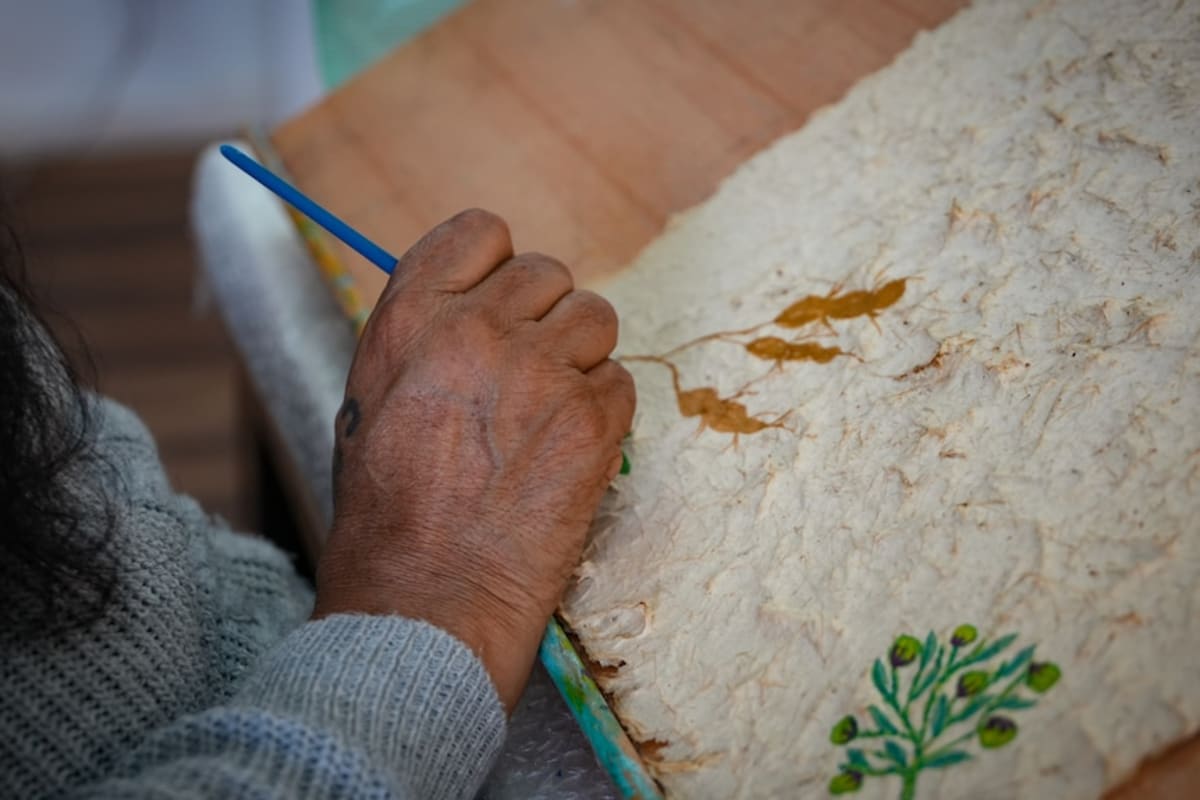
Western Arrernte artist Carita Coultard paints bush tucker she remembers gathering as a child near Alice Springs, but her watercolors carry a heartbreaking message: many of these plants have vanished from the landscape.
The culprit is buffel grass, an invasive weed that blankets Central Australia after this year's wet winter. Introduced in the 1960s to control erosion and feed cattle, the hardy grass now smothers native plants and fuels dangerous wildfires across every Australian state except Tasmania and the ACT.
But Coultard and fellow artists at Many Hands art centre found a creative way to fight back. They're boiling, pulping, and transforming the invasive grass into handmade paper, then painting the very plants it destroyed.
"I think about in childhood we used to just go around, walk around and get all these bush foods, but we can't see it now," Coultard said. Her paintings show bush onions, bush potatoes, and native sultanas that once thrived near Alice Springs but have largely disappeared from the area.
The exhibition opened today at Olive Pink Botanic Gardens, turning an environmental threat into art. Making the buffel paper took patience and experimentation—cutting, boiling, blending, and drying the grass on mesh screens until it reached the right texture.
Meanwhile, volunteers are tackling the problem at ground level. Since May, weekly "buffel busts" along the Todd River have cleared about 5 hectares, protecting ancient red gum trees from fire risk.
Steve Eldgridge, a Landcare volunteer, has watched buffel take over during the past 20 years. "Our aim is really to protect these huge lovely big old red gums that grow along the Todd River," he said, noting some trees are 300 to 400 years old.
The economic toll is staggering. A Charles Darwin University study found buffel's costs to society are 60 times higher than its benefits to cattle ranchers, and those numbers are conservative.
The Ripple Effect
The artists' work is sparking real change. NT Lands Minister Joshua Burgoyne has requested federal funding for buffel management, and the National Biosecurity Committee is deciding whether to declare it a weed of national significance this December.
If approved, that designation would unlock coordinated management strategies and resources across Australia. The timing matters—predictions of a hot El Niño summer combined with excess grass growth have residents bracing for a dangerous fire season.
By transforming the invasive grass into art, these Indigenous artists are doing more than creating beauty—they're preserving cultural memory of plants that sustained their people for thousands of years while demanding action to restore what's been lost.
More Images



Based on reporting by ABC Australia
This story was written by BrightWire based on verified news reports.
Spread the positivity!
Share this good news with someone who needs it