
Asia-Pacific Unites to Support 1 Billion Aging by 2050
As Asia's older population doubles to nearly one billion by 2050, a UN expert says the key to thriving communities isn't just policy. It's something simpler and more powerful: people of all ages learning from and supporting each other.
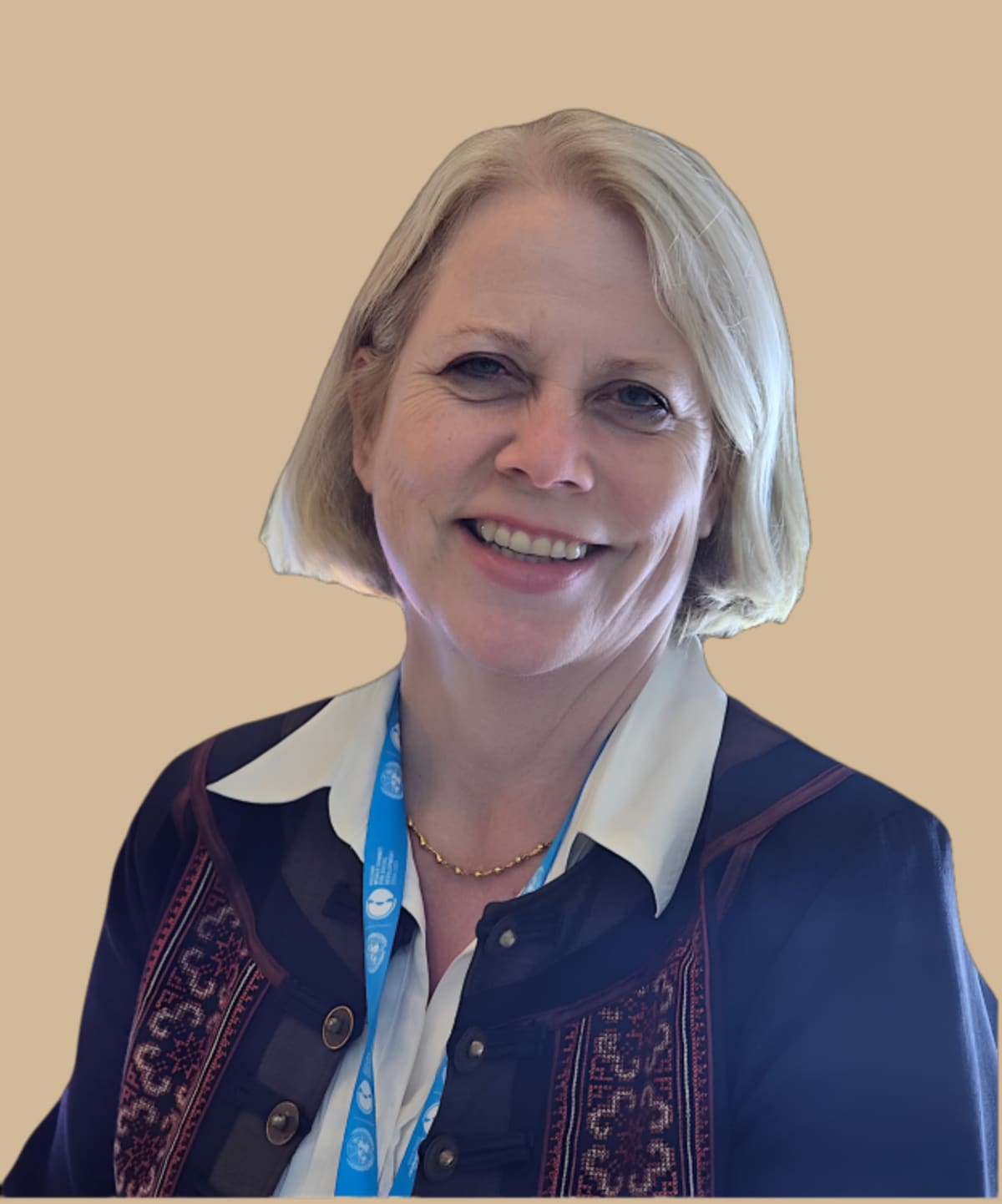
The number of older adults in Asia and the Pacific will nearly double by 2050, reaching one billion people who represent one-fifth of the region's population. But Dr. Sabine Henning, who leads demographic work at the UN, sees this historic shift as something beautiful rather than scary.
"Population ageing is a human success story," explains Henning, reflecting decades of progress that let people live longer, healthier lives. The change has happened remarkably fast in Asia, where better healthcare and development transformed entire societies in just a few generations.
Twenty countries in the region now qualify as "ageing societies," and that number will climb to 24 by 2050. Ten countries will become "super-aged," meaning older adults make up a huge portion of their populations.
So what's the one change that could improve millions of lives? Henning's answer surprised many policy experts: stronger cooperation between generations, communities, and countries.
The idea works at every level. Countries further along in this transition can share what they've learned with nations just starting to see their populations age. Thailand can teach lessons to Indonesia. Japan can share insights with Vietnam.
Communities play an even more direct role. As families get smaller and people move for work, neighborhoods become the new support networks where older and younger people connect. Local groups, associations, and governments work together to help everyone thrive.
Why This Inspires
The most powerful exchanges happen between grandparents and grandchildren, older neighbors and young families. Older adults share wisdom, historical perspective, and life lessons. Younger people bring fresh ideas, new technology skills, and different ways of seeing the world.
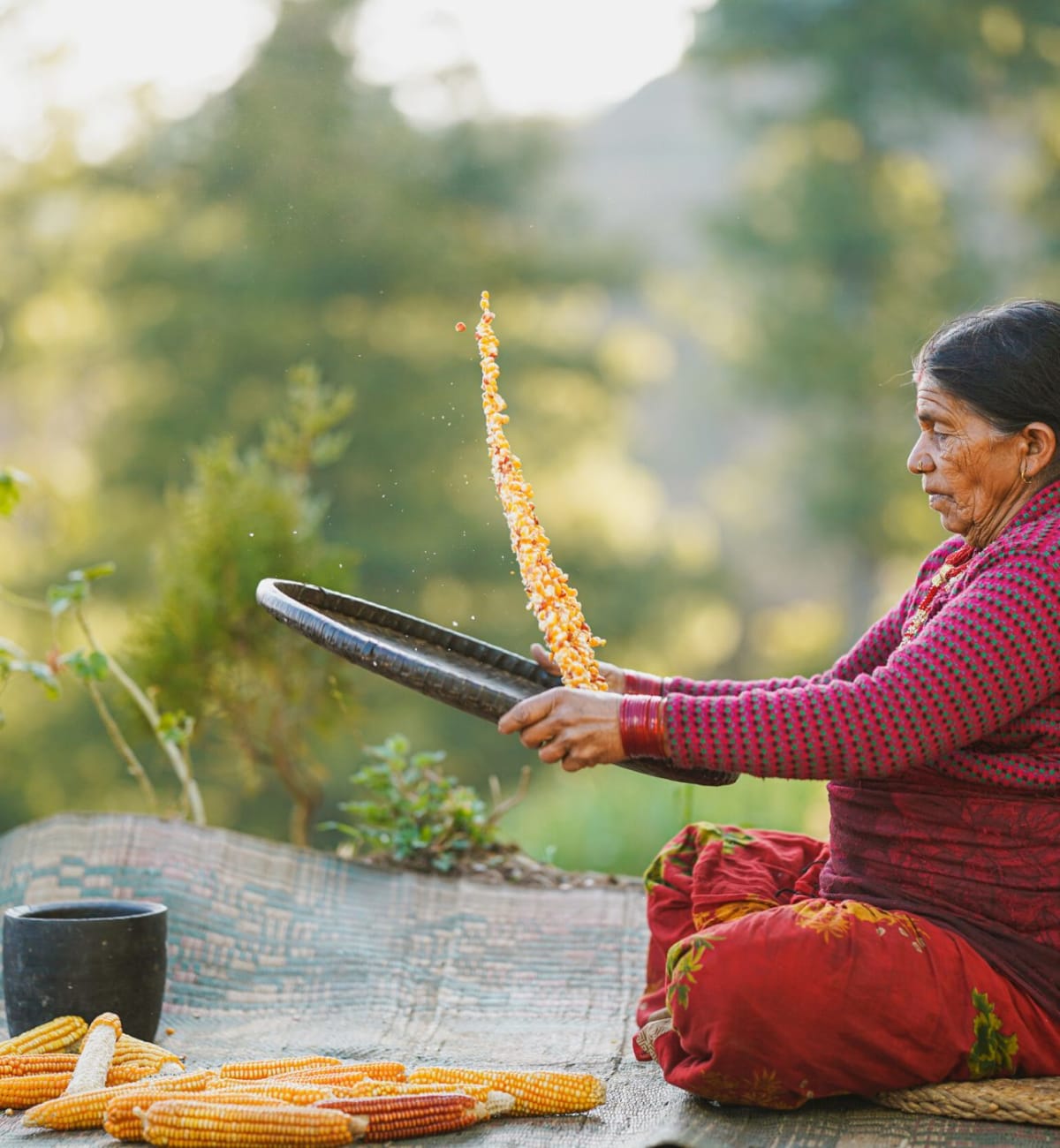
This two-way learning strengthens everyone. A grandmother teaching traditional cooking while learning to video chat with distant relatives. A retired engineer mentoring startup founders who help him navigate social media. These everyday moments build the fabric of resilient societies.
The United Nations provides a platform where Asia-Pacific countries regularly meet to share experiences and solutions. They're proving that aging populations aren't a crisis to fear but an opportunity to build communities where every generation matters.
Regional diversity actually helps. Countries face different timelines and challenges based on their unique cultures and economies. That variety creates rich opportunities for mutual learning and innovation.
Building societies that work for all ages isn't just good policy, it's the future billions of people deserve.
More Images

Based on reporting by Google: cooperation international
This story was written by BrightWire based on verified news reports.
Spread the positivity!
Share this good news with someone who needs it
%2Ffile%2Fattachments%2Forphans%2FMark-ParkRun-Sept20261_245392.jpg)