Assam Brings World's Smallest Pig Back from Near Extinction
In Assam, India, conservationists just released 15 pygmy hogs into grasslands where the species vanished nine years ago. The tiny animals came from a breeding program that started with just six hogs captured in 1996.
Thirty years ago, conservationists made a risky call: capture six of the world's smallest wild pigs before they disappeared forever.
This June, those six became 194. Fifteen captive-bred pygmy hogs returned to the same Kuribeel grasslands in Assam's Manas National Park where their ancestors were taken three decades ago. No confirmed sightings of the species had been recorded there for nine years.
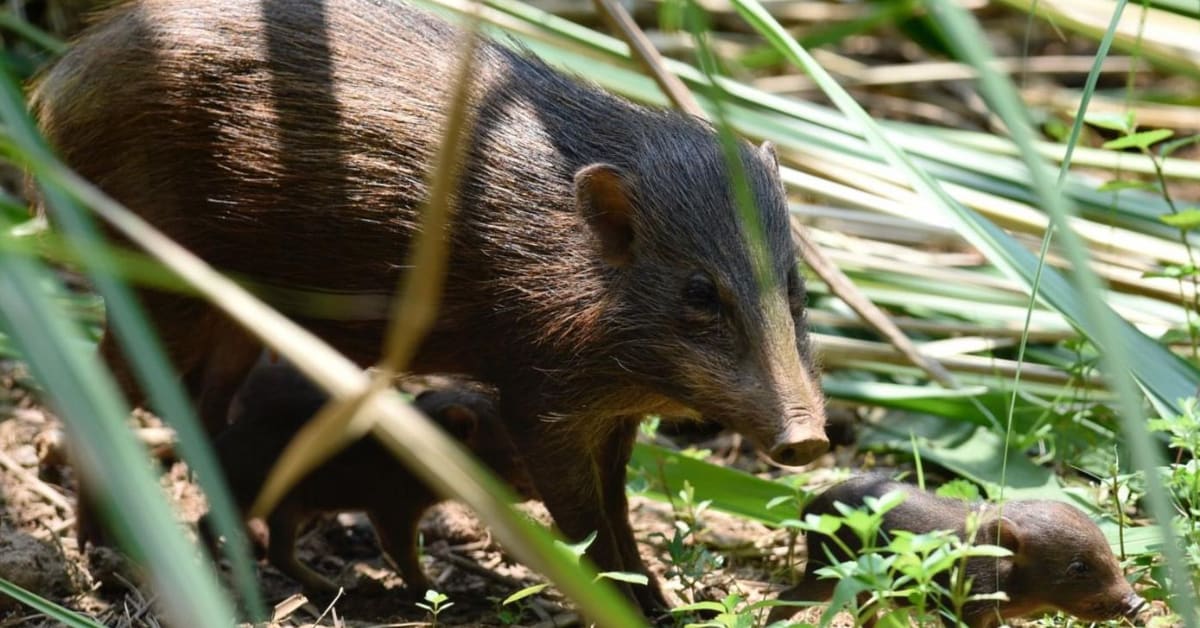
The pygmy hog, about the size of a football, is India's only endemic wild pig and one of the planet's rarest mammals. By the 1990s, habitat loss had pushed the species to the edge of extinction. Conservationists feared leaving the few survivors in the wild meant losing them completely.
So in 1996, six hogs were carefully captured to start the Pygmy Hog Conservation Programme. The goal was simple but ambitious: breed enough animals to create new wild populations.
The program has now released 194 pygmy hogs across Assam. With the latest release, 78 hogs now live in Manas National Park alone. Since 2020, six groups have been released there, each carefully chosen to maximize genetic diversity.
The Ripple Effect
The tiny pig's comeback matters beyond its adorable size. Pygmy hogs live exclusively in tall alluvial grasslands along the Himalayan foothills, ecosystems that are themselves endangered.
When pygmy hogs thrive, it signals that the entire grassland ecosystem is healthy. These habitats support dozens of other species, from Bengal floricans to hispid hares. Protecting pygmy hogs means protecting these fragile grasslands for everything that depends on them.
For the first time since conservation work began, wild-born pygmy hogs may now outnumber those in captivity. That milestone marks a critical turning point: the species is learning to survive on its own again.
The Ministry of Environment has included the pygmy hog in its Species Recovery Programme. Over the next five years, the program plans to release 80 more hogs in Manas while scientists study whether the species could return to former habitats in West Bengal and Uttar Pradesh.
Each release requires careful planning. Scientists must confirm that suitable grassland exists, identify threats, and determine whether new populations can become self-sustaining over decades.
The question has shifted from whether the species can be saved to where it can thrive again.
More Images
%2Fenglish-betterindia%2Fmedia%2Fmedia_files%2F2026%2F09%2F04%2Fpygmy-hog-2026-09-04-17-36-36.png)
%2Fenglish-betterindia%2Fmedia%2Fmedia_files%2F2025%2F11%2F20%2Fwild-at-heart-banner-image-microsite-banner-2025-11-20-16-17-04.jpg)
%2Ffilters%3Aformat(webp)%2Fenglish-betterindia%2Fmedia%2Fmedia_files%2F2026%2F09%2F04%2Fpygmy-hog-1-2026-09-04-17-41-04.png)
Based on reporting by The Better India
This story was written by BrightWire based on verified news reports.
Spread the positivity!
Share this good news with someone who needs it