Assam's Hollong Tree: 50-Meter Giant Fights Floods
While recent floods devastated Assam communities, the state's towering Hollong trees have quietly protected forests for centuries. These 50-meter rainforest giants absorb monsoon rains that would otherwise overwhelm the land.
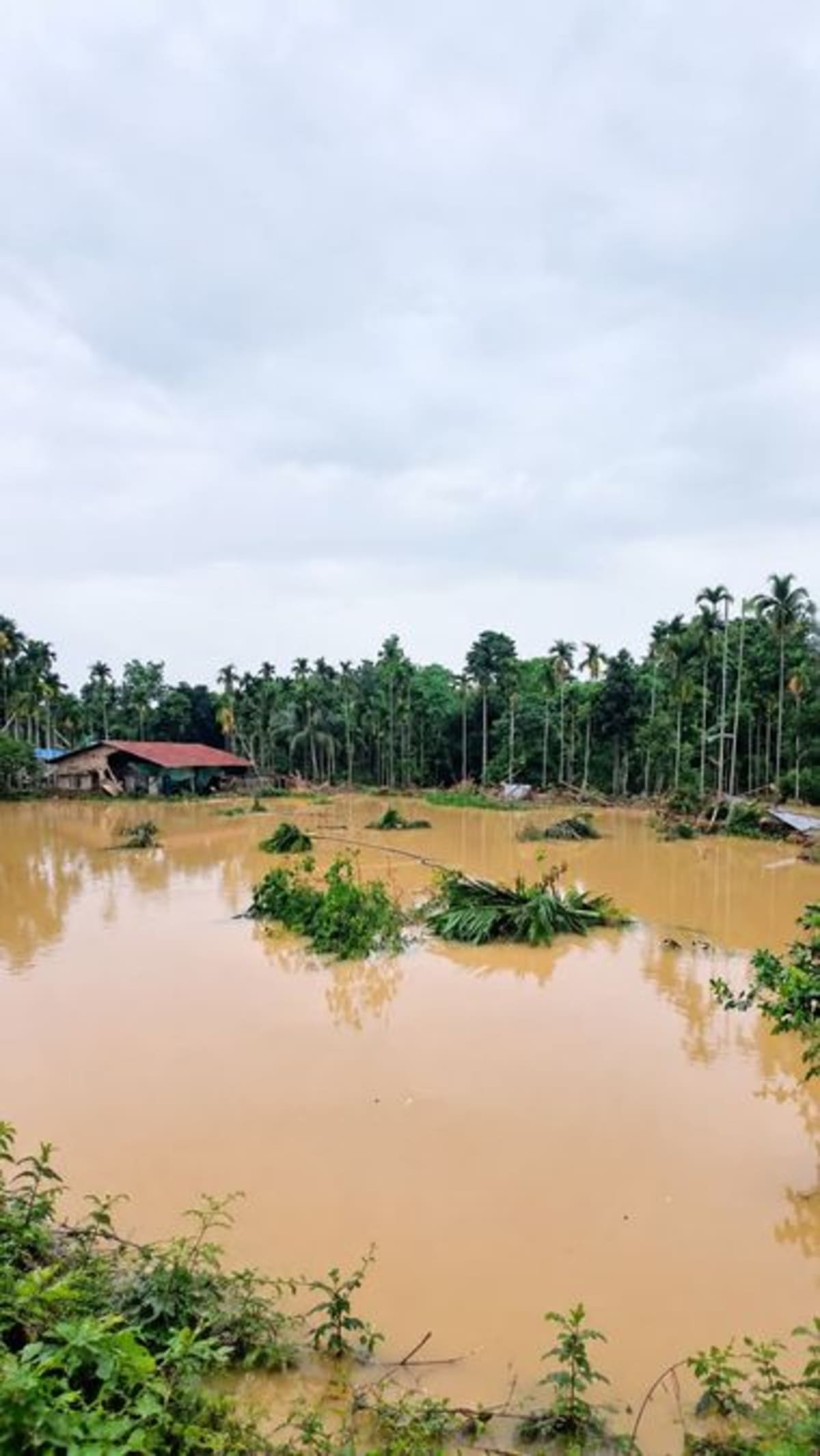
When floodwaters swept through Assam's Sivasagar, Jorhat, and Charaideo districts this monsoon season, forcing families from homes and swallowing farmland whole, one force stood firm. Deep in the region's tropical forests, Hollong trees anchored the landscape with roots strong enough to hold through storms that dump nearly 3,000 millimeters of rain each year.
Hollong isn't just Assam's state tree. It's one of India's tallest native rainforest species, reaching heights of 50 meters across the Northeast.
These giants evolved specifically for survival in monsoon country. Their deep root systems grip waterlogged soil when other plants would topple, and their large leathery leaves shed sheets of rainwater instantly, preventing fungal damage and keeping branches from breaking under the weight of prolonged downpours.
The trees dominate Assam's most important protected areas: Hollongapar Gibbon Sanctuary, Dehing Patkai, Nameri, and forested sections of Kaziranga. Their immense canopies create cooler, more stable microclimates below, supporting entire ecosystems while storing massive amounts of carbon.
When monsoon season ends, Hollong releases winged seeds that spin away on seasonal winds. By traveling beyond saturated ground, seedlings get their best chance to take root and grow into the next generation of forest guardians.
The Bright Side
While forests alone can't prevent floods, Assam's tropical woodlands have absorbed, slowed, and redistributed heavy rainfall for generations. Every Hollong standing today represents a natural buffer against the kind of devastation communities just experienced.
These forests do more than survive storms. They hold soil in place, regulate water flow across the landscape, and provide habitat for endangered species like hoolock gibbons that depend on old-growth canopy.
The challenge now is reversing centuries of damage. Logging and habitat loss have reduced Hollong populations by an estimated 50 to 70 percent, earning the species an Endangered classification.
But conservation efforts in Assam's protected forests give these giants room to recover. Each surviving Hollong drops seeds that could grow into the next 50-meter tower, anchoring forests and communities against future monsoons for generations to come.
Based on reporting by The Better India
This story was written by BrightWire based on verified news reports.
Spread the positivity!
Share this good news with someone who needs it