Astronaut Chris Williams Returns After 8-Month Space Mission
NASA astronaut Chris Williams spent eight months aboard the International Space Station advancing cancer treatments, growing better computer materials, and completing two spacewalks. His work brings humanity closer to breakthrough medical therapies and prepares us for future Moon and Mars missions.
📺 Watch the full story above
After eight months orbiting 250 miles above Earth, NASA astronaut Chris Williams is heading home with research that could transform how we treat cancer and build the computers of tomorrow.
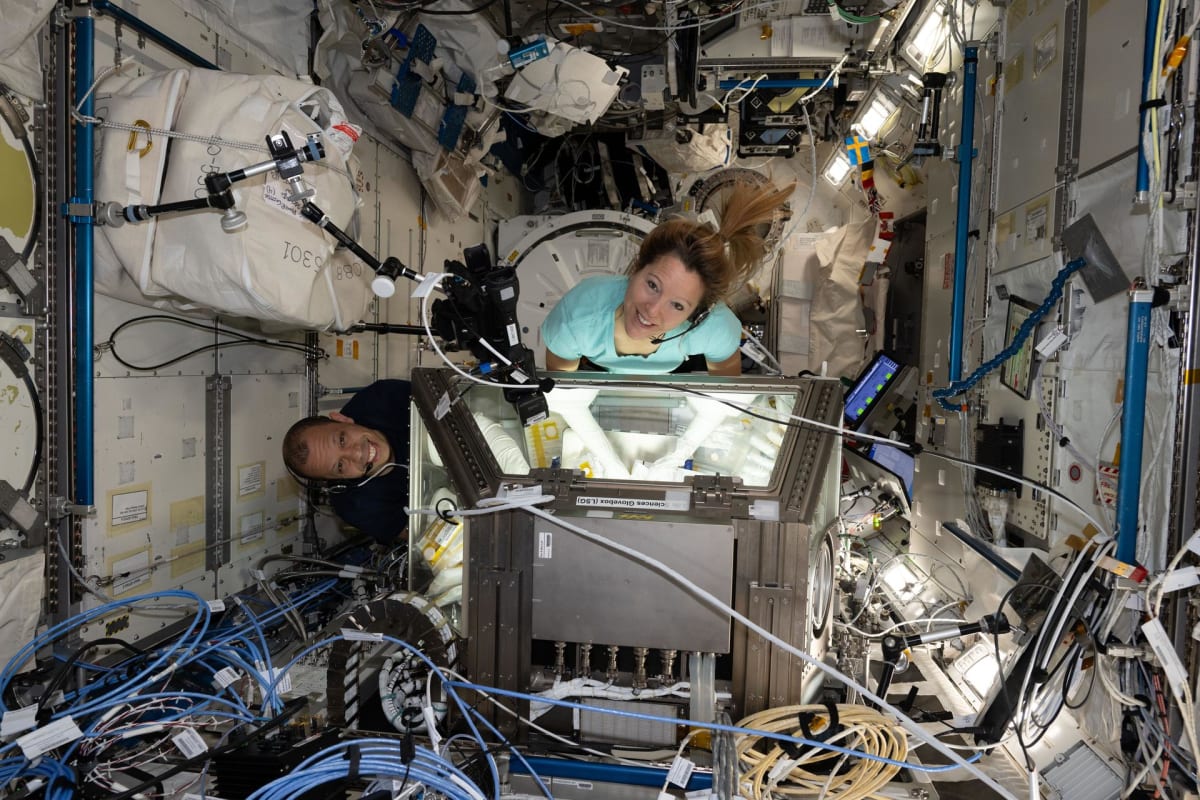
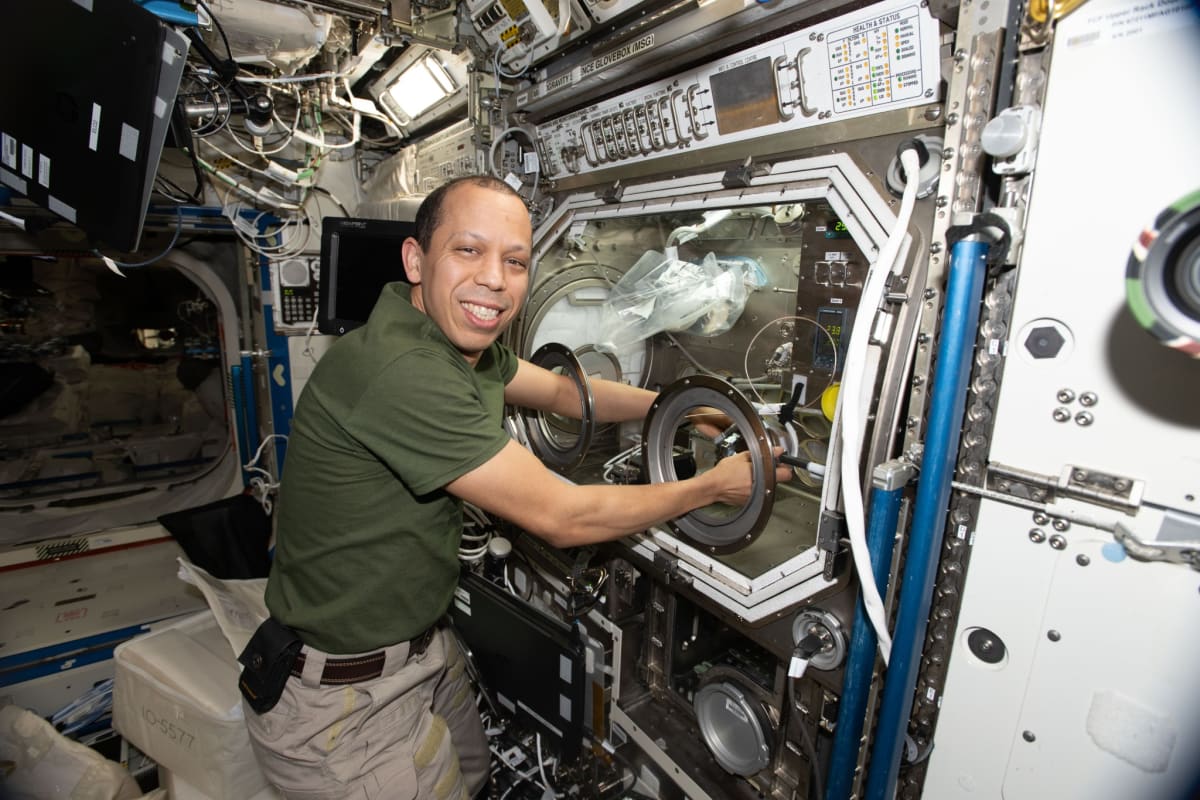
Williams wrapped up his first space station mission this week, leaving behind a legacy of scientific breakthroughs that stretch from medicine to manufacturing. The astronaut spent his time in microgravity growing DNA-inspired materials that could deliver targeted cancer treatments deep into tumors without harming healthy tissue.
Cancer therapies have improved dramatically in recent years, but many still affect the entire body and struggle to reach solid tumors effectively. The rod-shaped materials Williams helped create in space form more evenly than anything we can make on Earth, potentially enabling medicines that stay in the body longer and release in more controlled ways.
Williams also worked on growing semiconductor crystals in space, where microgravity allows scientists to produce more crystals of the ideal size than gravity-bound laboratories can achieve. These superior crystals could power the next generation of high-performance computers, artificial intelligence systems, and medical devices.
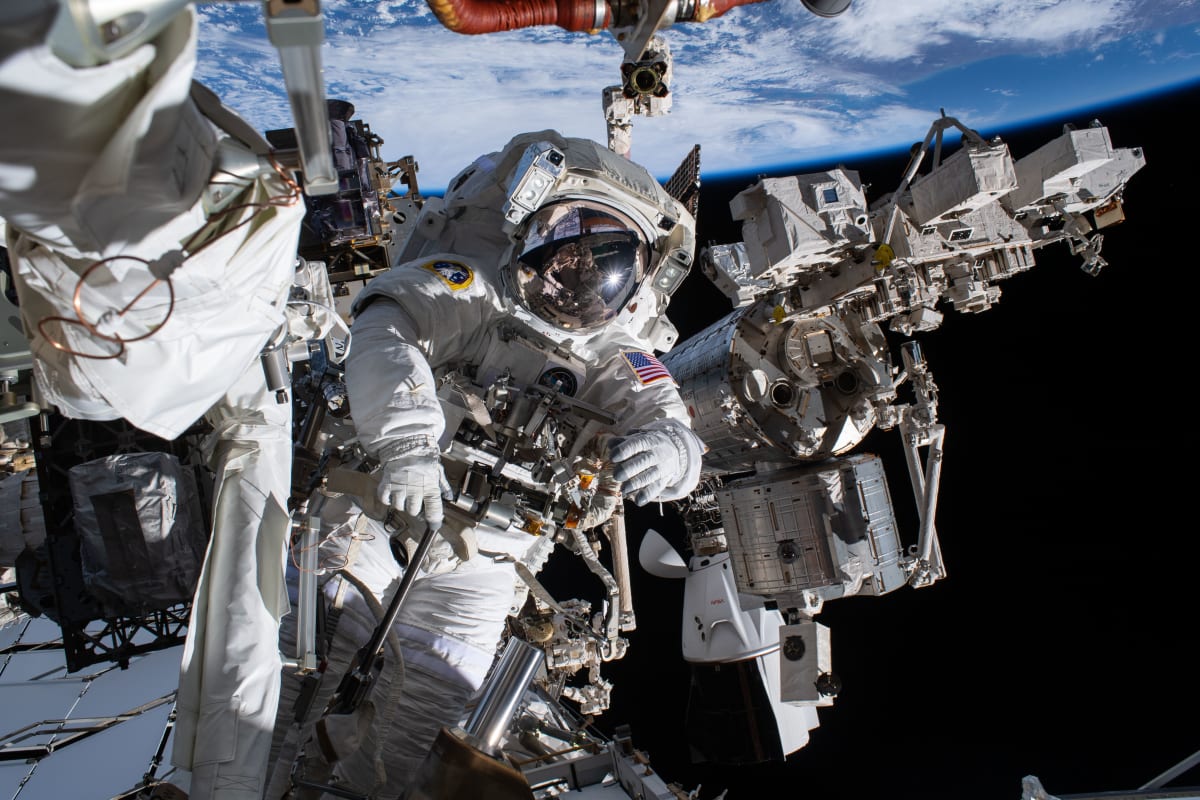
The astronaut ventured outside the space station twice during his mission. In March, he prepared the orbiting laboratory for new solar arrays that will boost power generation by 30 percent. In June, he repaired Canadarm2, the robotic arm that captures cargo spacecraft bringing supplies from Earth.
Between spacewalks and experiments, Williams froze biological samples including blood and urine that will help scientists understand how long space missions affect human health. This research protects future astronauts heading to the Moon and Mars.
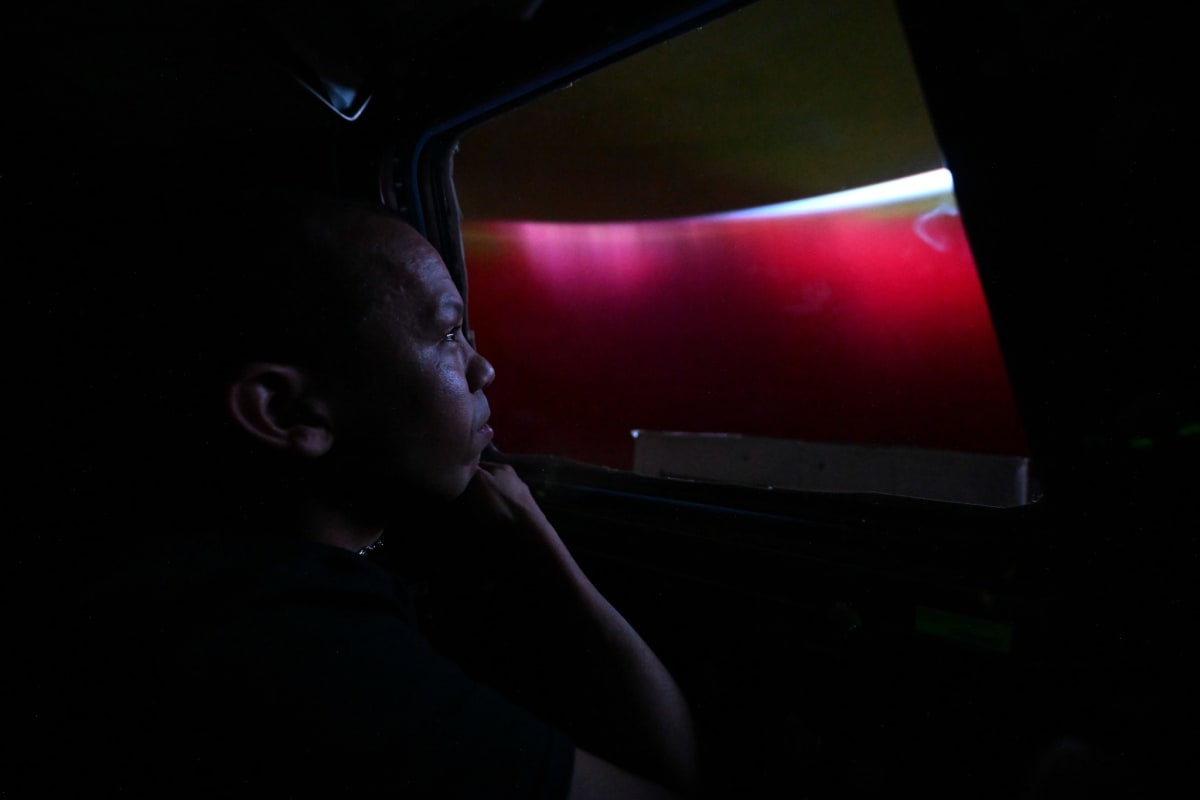
He photographed Earth's changing landscapes and captured images of red auroras glowing in the atmosphere. He tested ultraviolet light systems that could keep spacecraft water systems clean without chemical disinfectants. He worked with protein crystals that form higher-quality structures in space, helping researchers better understand how to target diseases.
The Ripple Effect
Williams' eight months in orbit represent more than one astronaut's journey. Every experiment he conducted moves us closer to cancer treatments that work better with fewer side effects. Every semiconductor crystal he grew advances technology that could improve lives through better medical devices and computing power.
The solar array technology he helped install doesn't just power the space station. The same system powered NASA's mission to redirect an asteroid and could support humanity's return to the Moon and first steps on Mars.
His work testing biofilm prevention could lead to cleaner water systems on Earth, not just in space. The manufacturing techniques developed in microgravity could launch entirely new industries producing materials impossible to create under gravity's constant pull.
Williams proves that what happens 250 miles up matters deeply to everyone down here, turning months in orbit into years of progress on the ground.
More Images
Based on reporting by NASA
This story was written by BrightWire based on verified news reports.
Spread the positivity!
Share this good news with someone who needs it