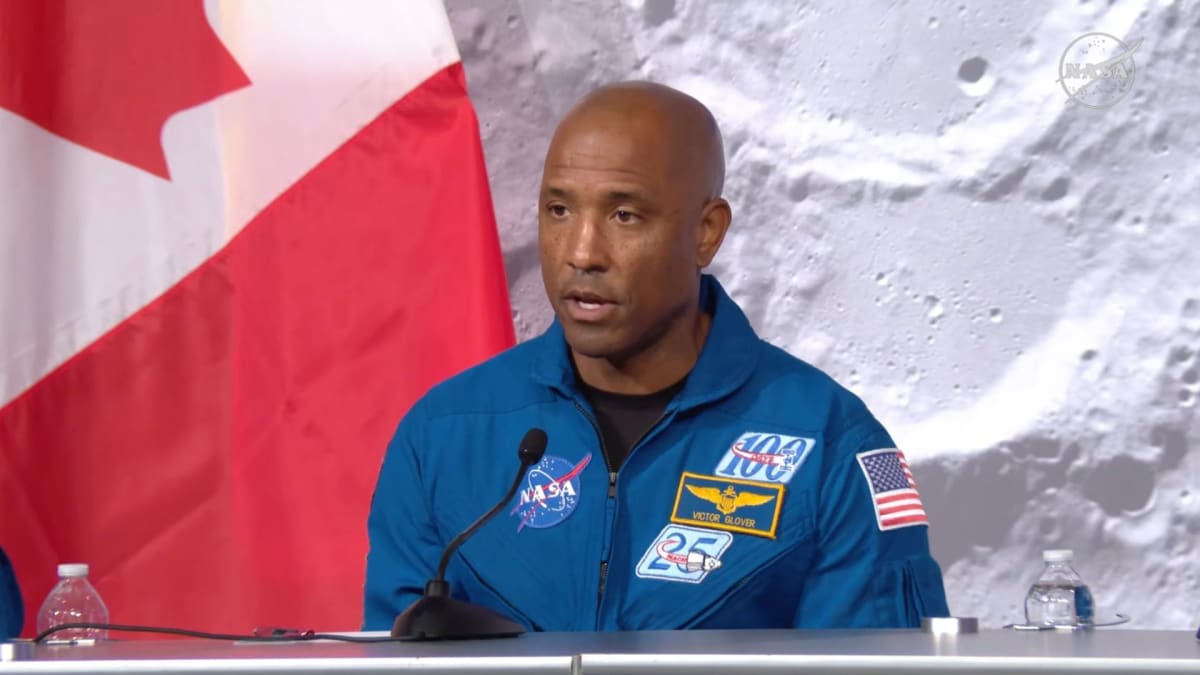
Astronaut Victor Glover: Moon Mission Is for Everyone
NASA astronaut Victor Glover is preparing to make history on the Artemis 2 moon mission in April 2025, but he's more focused on bringing communities together than breaking records. He believes space exploration belongs to everyone, especially those who don't usually follow NASA.
Victor Glover doesn't spend much time thinking about becoming the first Black person to leave low Earth orbit. Instead, the NASA astronaut preparing for April's Artemis 2 moon mission wants to make sure the journey resonates with people who've never cared about space.
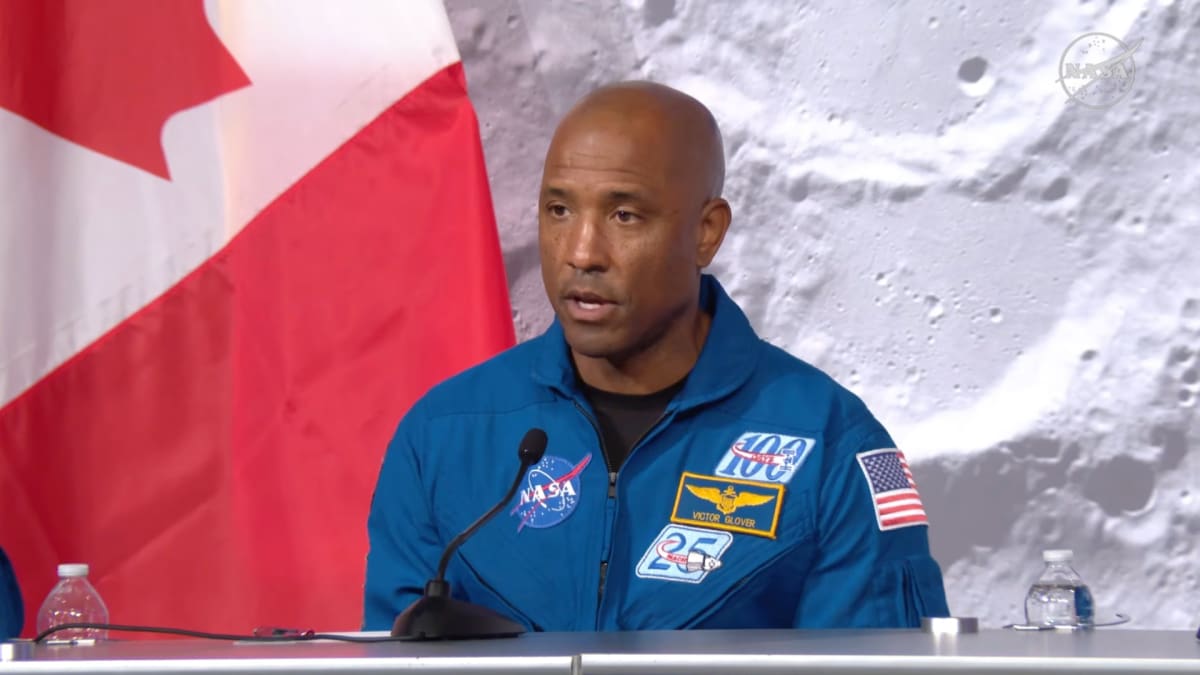
"We work for them, too," Glover explained during a recent interview at NASA's Johnson Space Center. His crewmate Jeremy Hansen put it simply: excellence comes in all shapes, sizes, and backgrounds.
The 10-day mission will send Glover and three other astronauts around the moon and back. Alongside him will be commander Reid Wiseman, Christina Koch (the first woman to leave low Earth orbit), and Jeremy Hansen (the first non-American beyond LEO).
But Glover keeps his focus grounded in something deeper than firsts. Every Monday, he listens to Gil Scott-Heron's "Whitey on the Moon," a poem-turned-song about people struggling with bills and broken streets while Apollo missions launched overhead.
"That song is a reminder that everybody wasn't having a good time when we launched the first Apollo missions," Glover said. It's not about racism, he explains. It's about the human condition.
The decorated Navy pilot and former SpaceX Crew-1 astronaut brings impressive credentials: 168 days in space, four spacewalks, and advanced engineering degrees. Yet he sees his role simply as doing the job well and letting others celebrate later.
Why This Inspires
What makes Glover's approach remarkable is his refusal to let pressure cloud his purpose. He actively protects his mental bandwidth by simplifying complex challenges into manageable pieces.
"I like to simplify," he said, quoting former Secretary of State Colin Powell: "A great leader is a great simplifier." That mindset helps him focus on what matters: building trust with his crew and serving everyone back on Earth.
The Artemis 2 crew works through their differences daily in training simulations. Sometimes they hash out conflicts. Sometimes they give each other space and take a moment.
"We have to take these humans and we have to work it out," Glover explained. That messy, human process of cooperation is what makes the mission possible, and it's a message he hopes resonates beyond spaceflight.
Glover knows that while people see 10 days of flight, they miss the countless hours of grinding, learning, and trust-building in simulators. That invisible vigilance, he believes, is what exploration is really about.
If Artemis 2 and 3 succeed, Artemis 4 could land astronauts on the moon by 2028, more than half a century after the last lunar landing.
More Images


Based on reporting by Space.com
This story was written by BrightWire based on verified news reports.
Spread the positivity!
Share this good news with someone who needs it