NASA Engineer Bridges Apollo and Artemis Moon Missions
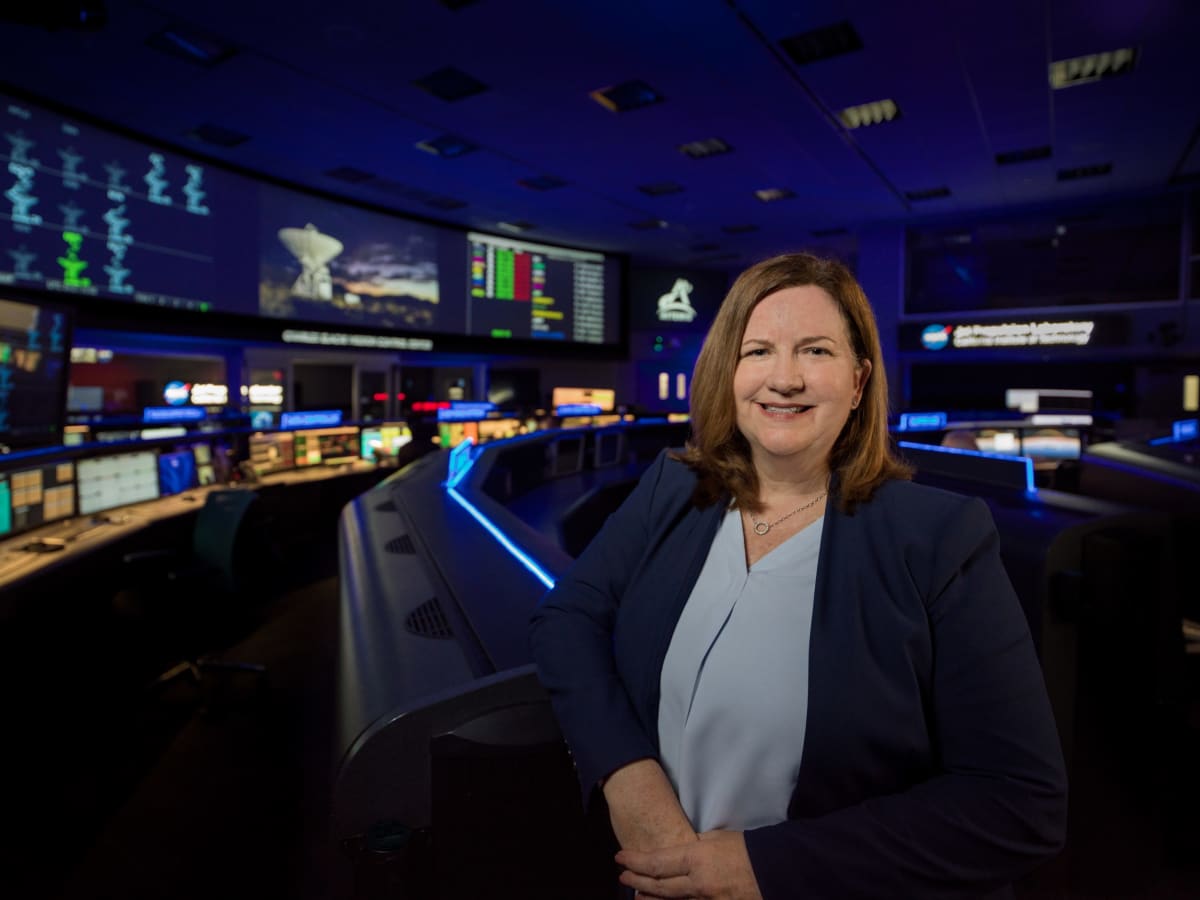
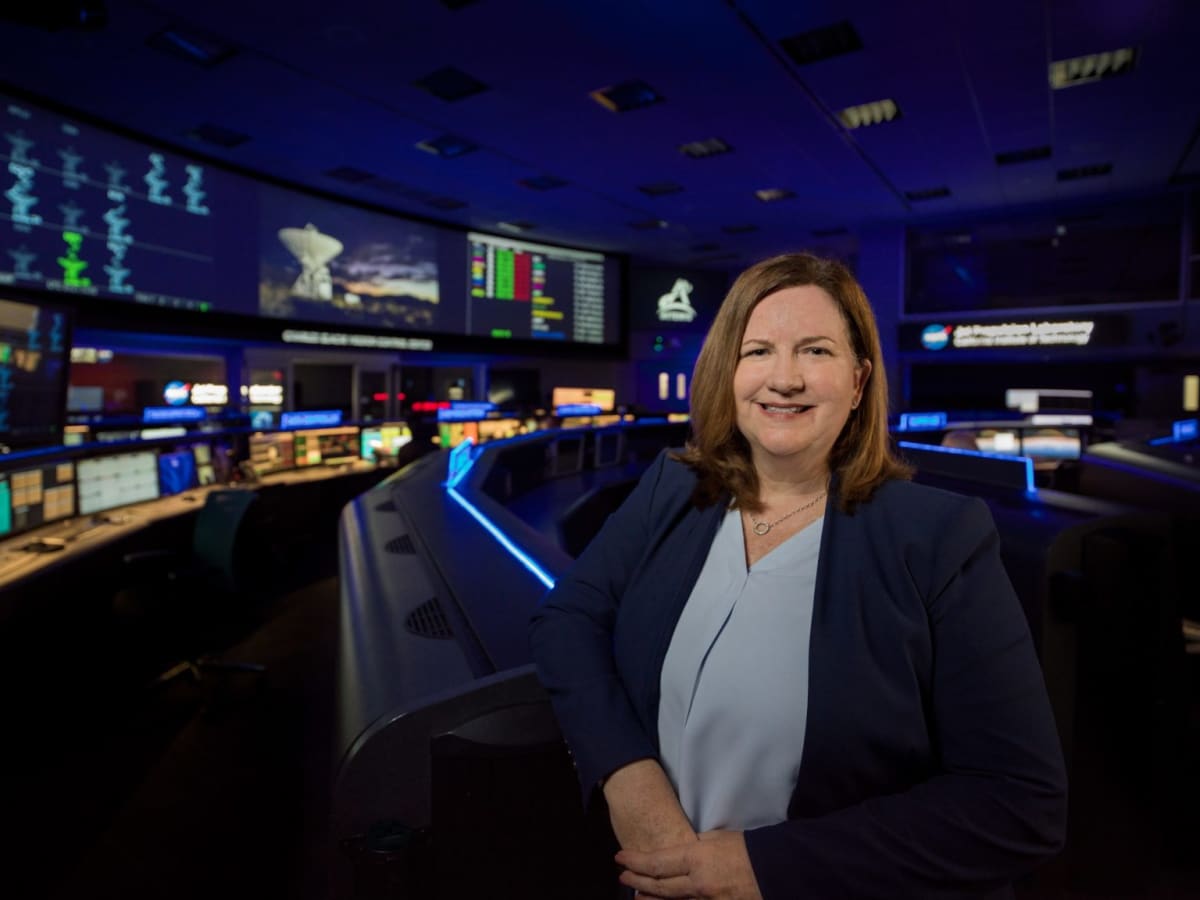
The child who watched Apollo launches on TV now helps guide astronauts back to the Moon. Kathleen Harmon manages the Deep Space Network that kept Artemis II connected during its historic mission.
Kathleen Harmon's earliest memory is watching Apollo missions on television as a small child. Decades later, she's living that childhood dream by playing a crucial role in NASA's return to the Moon.
As the Artemis II mission interface manager for NASA's Deep Space Network, Harmon ensures astronauts never lose contact with Earth. The network is like GPS and cell service combined, but for spacecraft traveling hundreds of thousands of miles from home.
"If you're in a car and you don't have GPS or a cellphone, you might get lost," Harmon explains. "The network provides that lifeline to spacecraft across the solar system so they can talk to Earth."
The Deep Space Network is the largest scientific telecommunications system in the world. Managed by NASA's Jet Propulsion Laboratory in Southern California, it supports over 40 missions exploring deep space through giant radio antennas positioned around the globe.
These three antenna complexes are strategically spaced so that as Earth rotates, one is always in view of any spacecraft. The team calls this approach "follow the Sun," with whichever complex experiencing daylight taking control of the entire network.
For Artemis II, Harmon prepared the network to support the mission 24 hours a day, seven days a week. Two antennas tracked the spacecraft at all times: one prime and one backup, ensuring astronauts always had a connection home.
Her careful coordination brought together international partners and decades of systems engineering experience. She made sure every piece was ready before launch so astronauts could safely complete their journey around the Moon.
Why This Inspires
While supporting Artemis II, the Deep Space Network simultaneously communicated with robotic rovers and spacecraft throughout the solar system. From Juno to Voyager, Harmon's work touches missions that expand our understanding of the universe.
For Harmon, working on Artemis brings her story full circle. "Just thinking that I can be part of not only the Apollo generation but now also the Artemis generation, it's very exciting to bridge that gap," she says.
That little girl watching launches on TV grew up to become the person making sure the next generation of Moon explorers stay connected. "This is a Golden Age of exploration," Harmon adds, and she's helping write its next chapter.
More Images

Based on reporting by NASA
This story was written by BrightWire based on verified news reports.
Spread the positivity!
Share this good news with someone who needs it