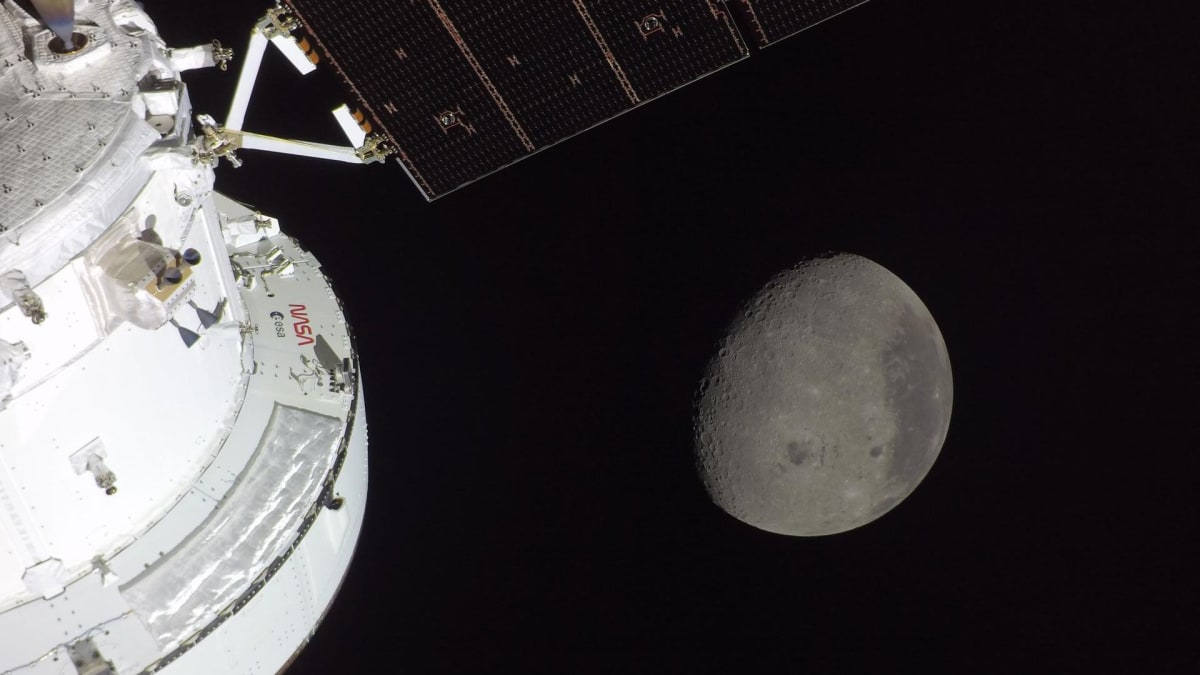
Astronauts Spot Green and Brown on the Moon During Artemis II
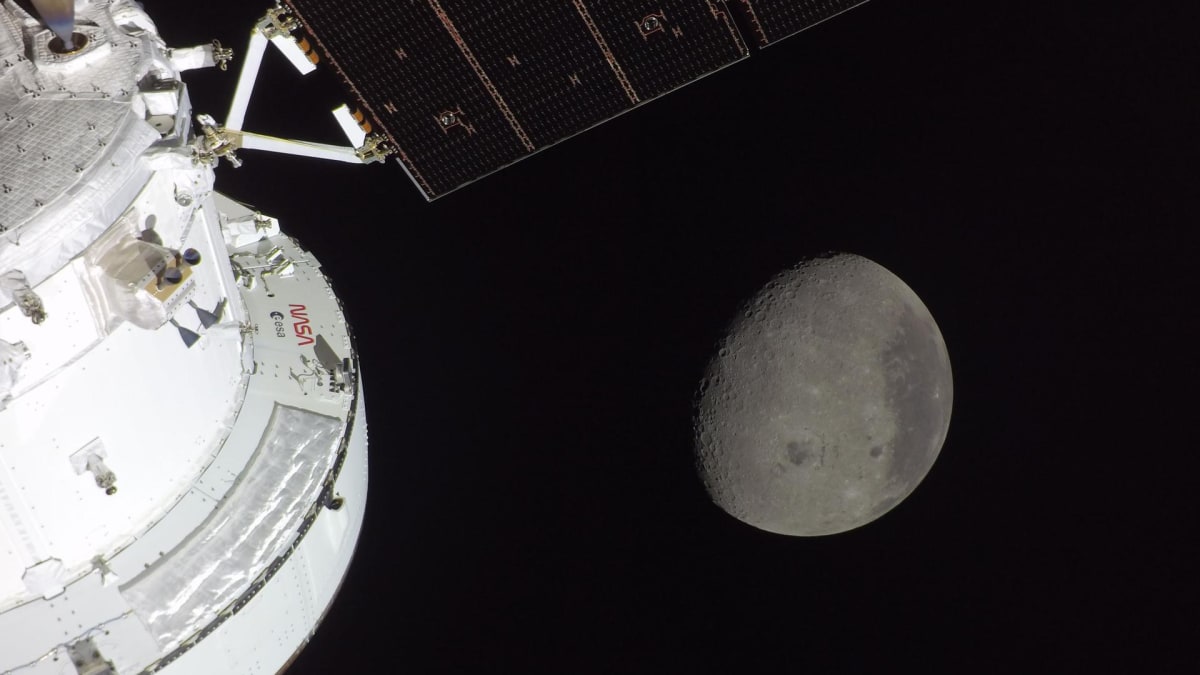
The Artemis II crew witnessed something scientists didn't expect during their historic lunar flyby: patches of green and brown color on the moon's surface. When they return to Earth this Friday, their observations could reshape how we understand our closest cosmic neighbor.
Four astronauts are bringing home a treasure more valuable than moon rocks: fresh eyes on a world we thought we knew.
During their seven-hour lunar flyby, the Artemis II crew spotted things that decades of robotic missions missed. Astronauts Reid Wiseman and Jeremy Hansen reported seeing at least five impact flashes, the brief bursts of light created when space rocks slam into the moon's surface. They also described unexpected patches of green and brown across the lunar landscape.
"The images are spectacular, absolutely," says Gordon Osinski, a planetary geologist at Western University who trained the crew. The human eye can detect colors that cameras miss, making these firsthand observations uniquely valuable.
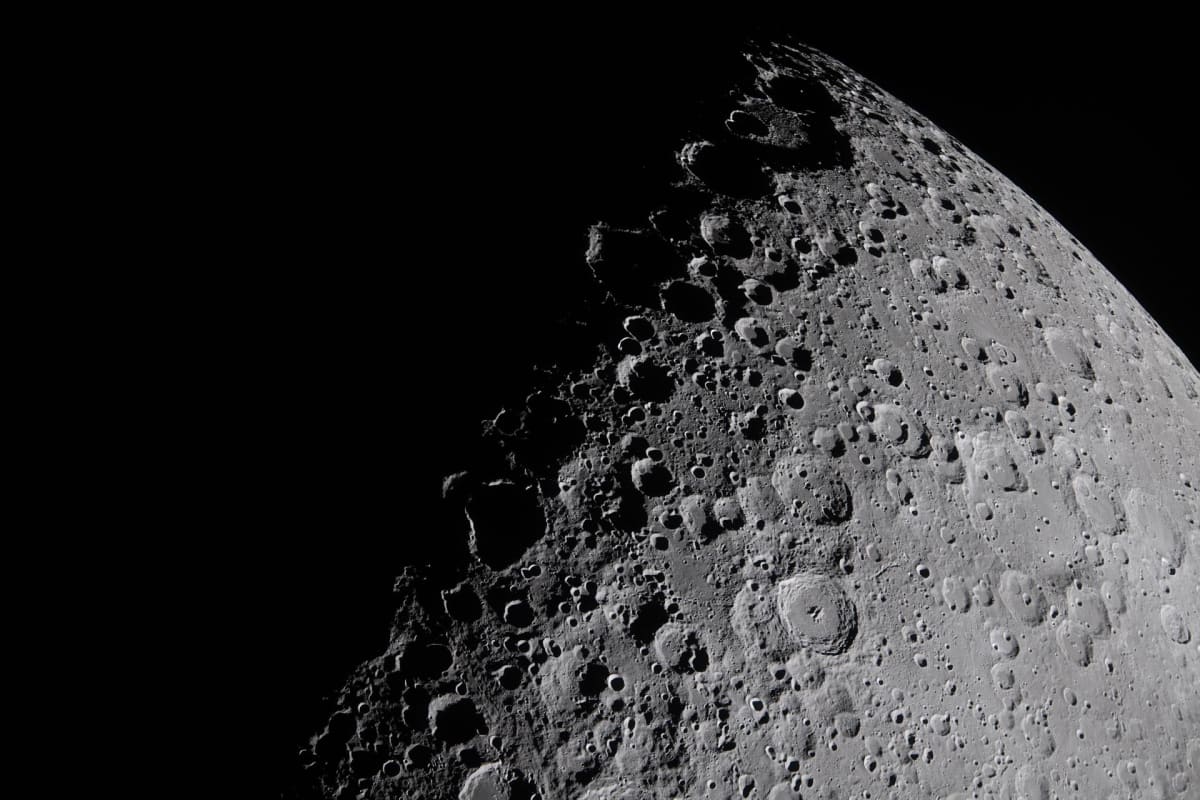
The timing couldn't have been better. The crew passed over the lunar terminator, the sharp line between the moon's day and night sides, where contrast reaches its peak. This perfect vantage point let them spot impact flashes that could help scientists identify brand new craters once the full photo archive returns to Earth.
These aren't just pretty pictures. The crew used high-resolution cameras with 400-millimeter lenses to capture details that will be compared with images from NASA's Lunar Reconnaissance Orbiter. The difference? Human intuition guided these shots, focusing on features that looked geologically interesting in real time.
The Artemis II astronauts join fewer than 30 people who have ever seen the moon up close with their own eyes. But unlike the Apollo crews from two generations ago, these astronauts bring decades of new scientific understanding about crater impacts, water ice, and lunar geology.
Why This Inspires
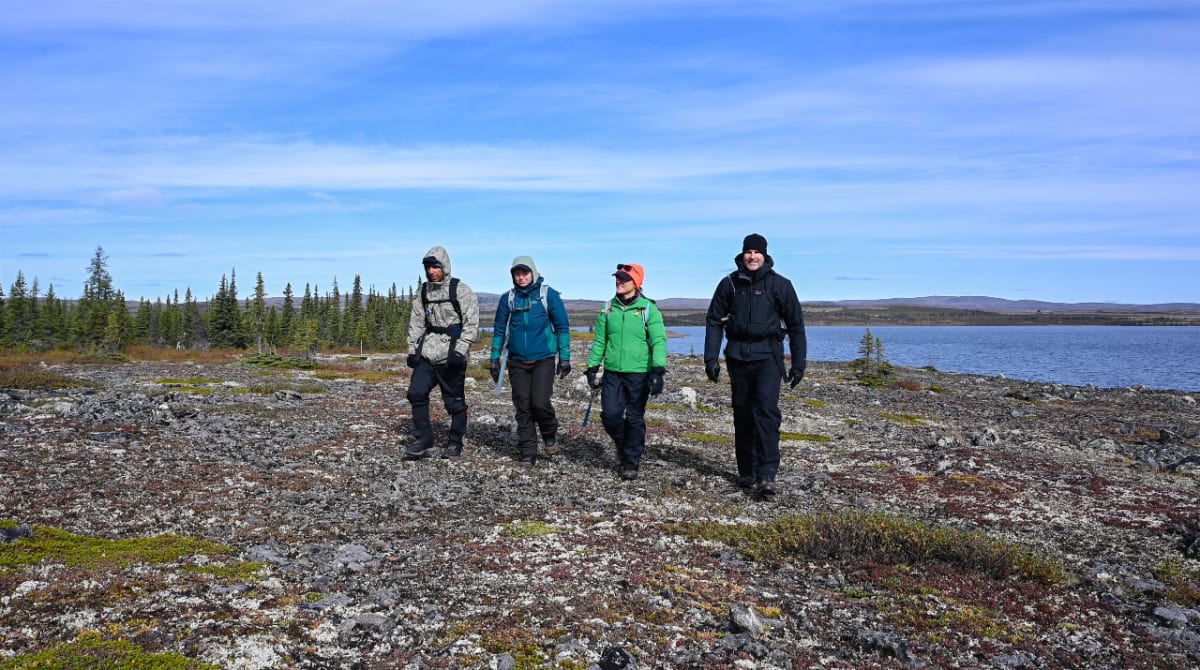
This mission proves that humans still bring something irreplaceable to space exploration. While robots can go farther and stay longer, people notice the unexpected. They see colors cameras miss. They make split-second decisions about where to point a lens based on geological intuition honed through field training in remote Canadian craters.
The crew has been recording voice notes and written observations that will take weeks to review. Each description, each photo, each moment of "that looks interesting" could unlock mysteries about the moon's formation, its ongoing transformation, and where future missions should hunt for samples.
When Artemis IV lands astronauts on the lunar surface as soon as 2028, they'll walk on ground already scouted by human eyes. The green and brown patches, the fresh impact sites, the geological puzzles spotted this week will guide their steps.
Friday's splashdown delivers more than four safe astronauts; it brings home a new chapter in our relationship with the moon, written by people who saw it not as data, but as a living, changing world.
More Images

Based on reporting by Live Science
This story was written by BrightWire based on verified news reports.
Spread the positivity!
Share this good news with someone who needs it
%2Fhttps%3A%2F%2Ftf-cmsv2-smithsonianmag-media.s3.amazonaws.com%2Ffiler_public%2F4e%2F9f%2F4e9f0fe8-aa48-438a-b88f-3a29cd71107e%2Fhttps___wwwfrontiersinorg_files_articles_1758862_xml-images_fmats-13-1758862-g001.jpeg)
%2Fhttps%3A%2F%2Ftf-cmsv2-smithsonianmag-media.s3.amazonaws.com%2Ffiler_public%2F8e%2F83%2F8e837bc6-e2b3-4bb6-bb1c-4f1287b45a6f%2Fcastillo-39-rincon_de_los_signos.jpg)