Astronomers Find First-Ever Twin Supernova in Jellyfish Nebula
Scientists have discovered something they've searched for decades to find: two sibling stars that both exploded as supernovae. The breakthrough solves a cosmic mystery and opens a window into how the early universe worked.
For the first time in history, astronomers have found two stars from the same system that each exploded as a supernova, solving a puzzle that's stumped scientists for decades.
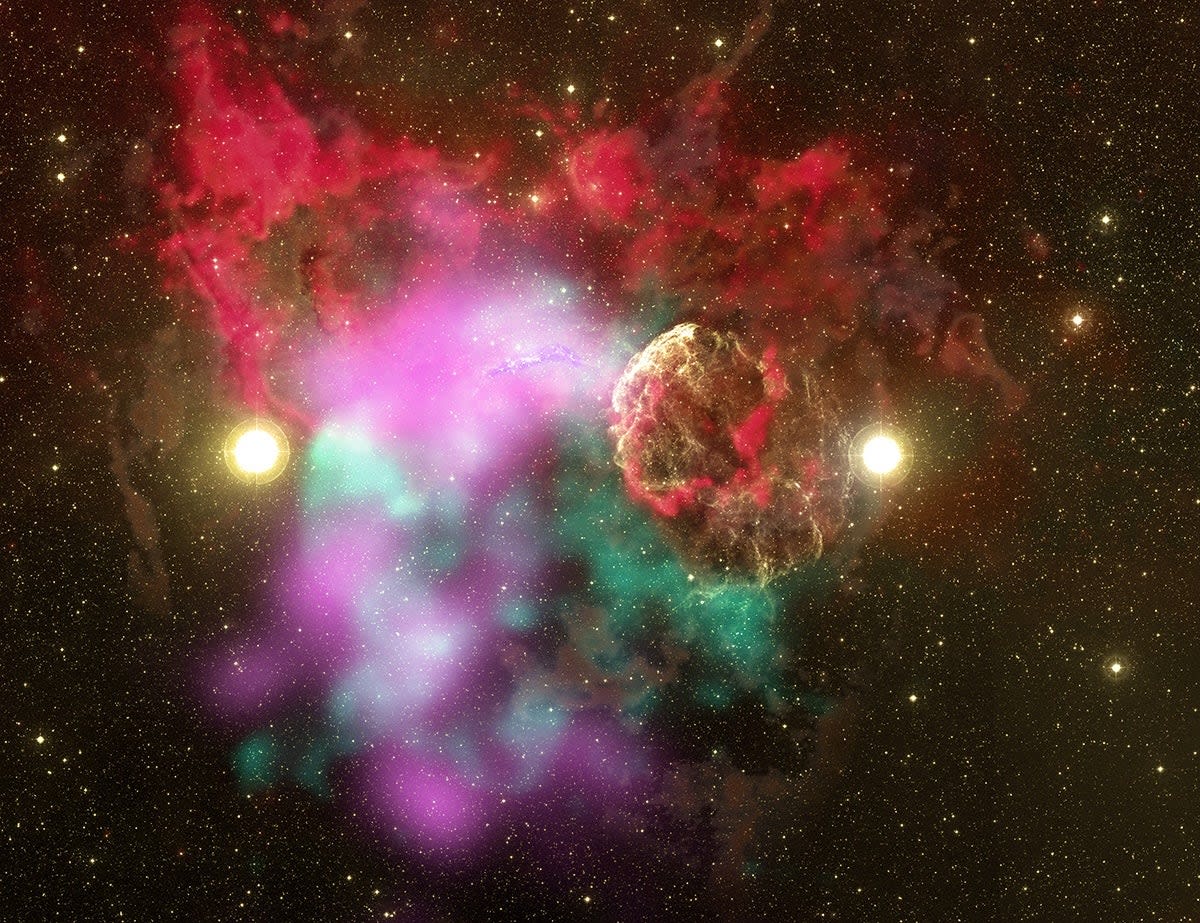
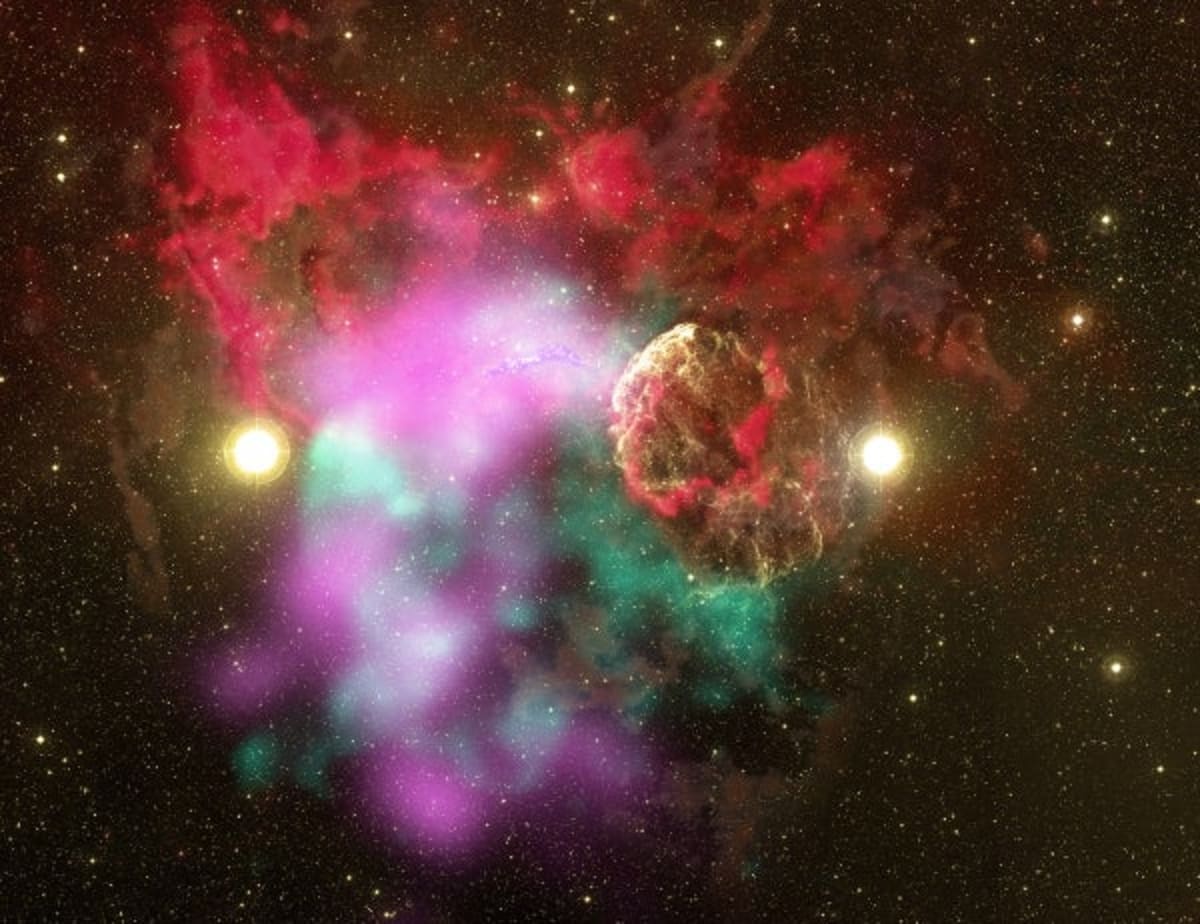
The discovery happened in one of the most studied regions of our galaxy: IC 443, better known as the Jellyfish Nebula. For years, this brilliant supernova remnant has been masking a quieter sibling nearby called G189.6+3.3.
Here's why this matters: Most of our galaxy's biggest stars live in pairs or groups, yet no one had ever spotted two supernovae from the same star system. Scientists knew these twin explosions had to exist somewhere, but finding proof seemed impossible.
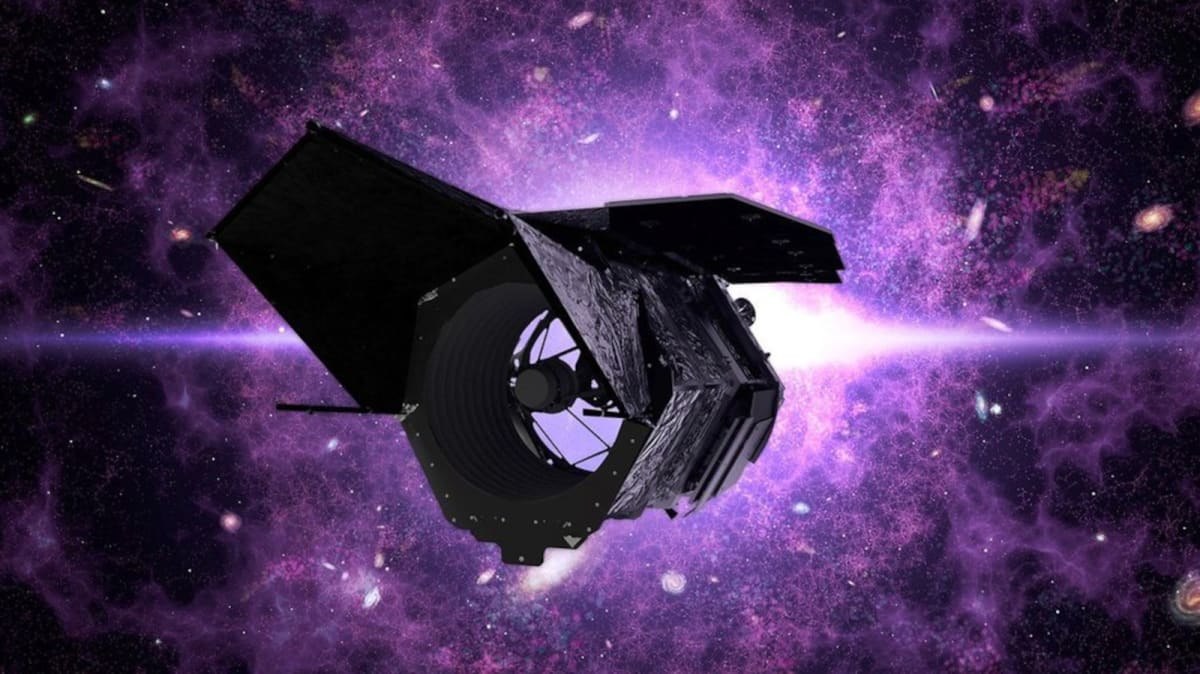
The breakthrough came when a team led by Stanford astronomer Miltiadis Michailidis used 16 years of data from NASA's Fermi Gamma-ray Space Telescope. They spotted a telltale gamma-ray glow that confirmed G189.6+3.3 wasn't just floating nearby by chance. These two remnants are genuine siblings.
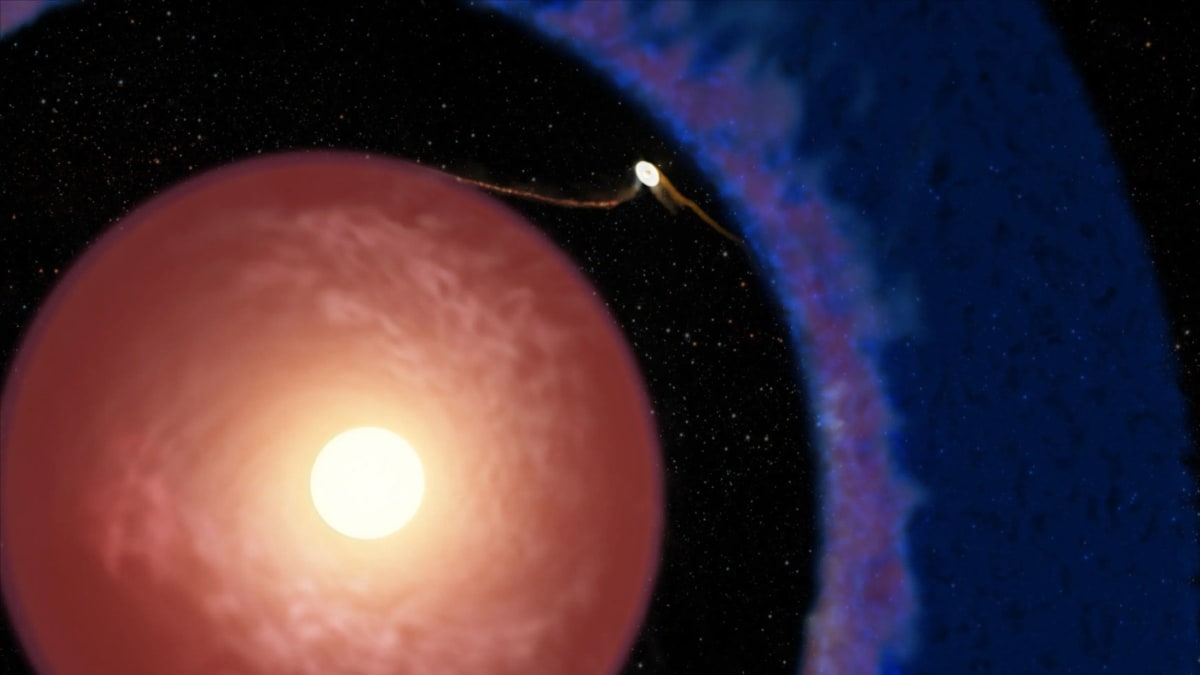
The team pieced together what happened millions of years ago. Two massive stars orbited each other, locked together by gravity. When the first star exploded, the blast sent its companion flying through space. The second star traveled far enough that when it later exploded, the two supernovae remained separate instead of merging together.
Computer simulations suggest both explosions happened within tens of thousands of years of each other, incredibly close on cosmic timescales. The second remnant's northern edge is slamming into the same hydrogen gas cloud as the Jellyfish Nebula, proving they shared the same neighborhood.
Why This Inspires
This discovery gives scientists something they've never had before: a way to measure supernova energy and track how it ripples through space with real data instead of just theories.
The findings also offer a glimpse into the early universe, when massive stars crowded closer together and these twin explosions happened far more often. By studying this system, astronomers can learn about stars that vanished billions of years ago.
Scientists now have a template for finding more binary supernova remnants across our galaxy. Each new discovery will help refine our understanding of how stars live, die, and shape the cosmos around them.
Sometimes the biggest breakthroughs hide in plain sight, waiting for the right tools and fresh eyes to reveal them.
More Images

Based on reporting by Scientific American
This story was written by BrightWire based on verified news reports.
Spread the positivity!
Share this good news with someone who needs it