Astronomers Find Planet Less Than 1 Million Years Old
Scientists have discovered the youngest planet ever confirmed, a Jupiter-sized world still forming in its dusty cradle less than 1 million years after birth. This baby planet is forcing astronomers to rethink how giant worlds can form so quickly.
Astronomers have spotted something extraordinary: a planet so young it's still wrapped in the blanket of gas and dust from which it was born.
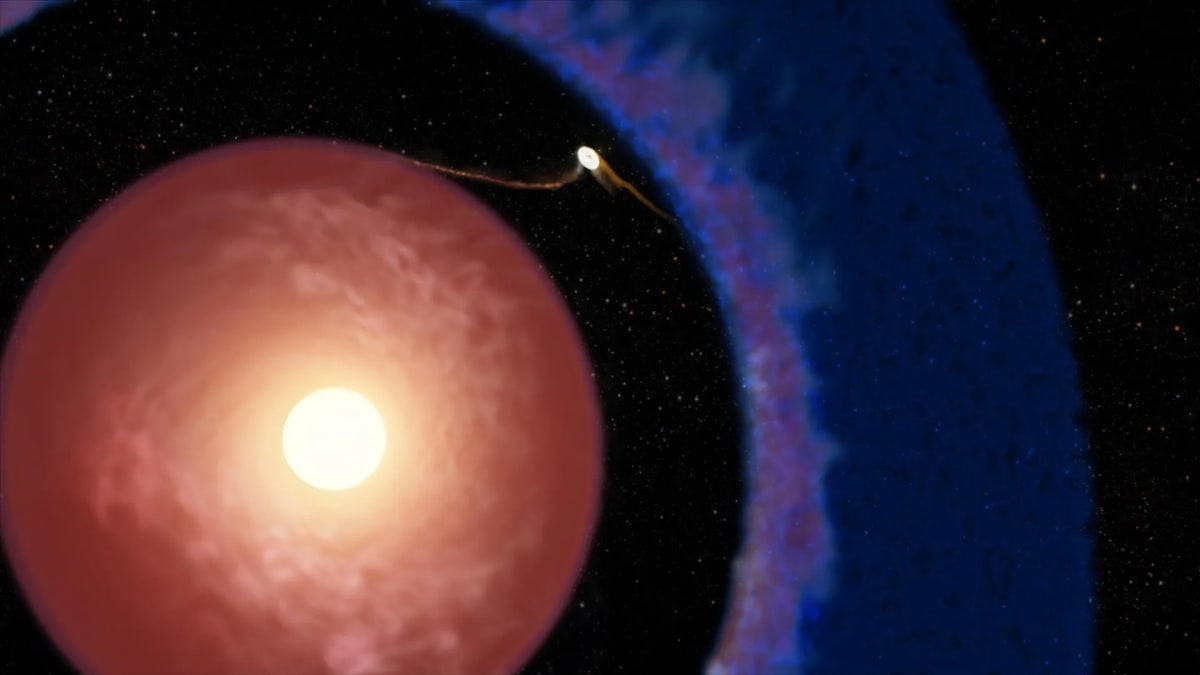
The planet, named Elias 2-24 b, is less than 1 million years old. That makes it the youngest confirmed planet ever found, giving scientists a front-row seat to watch a world actually taking shape.
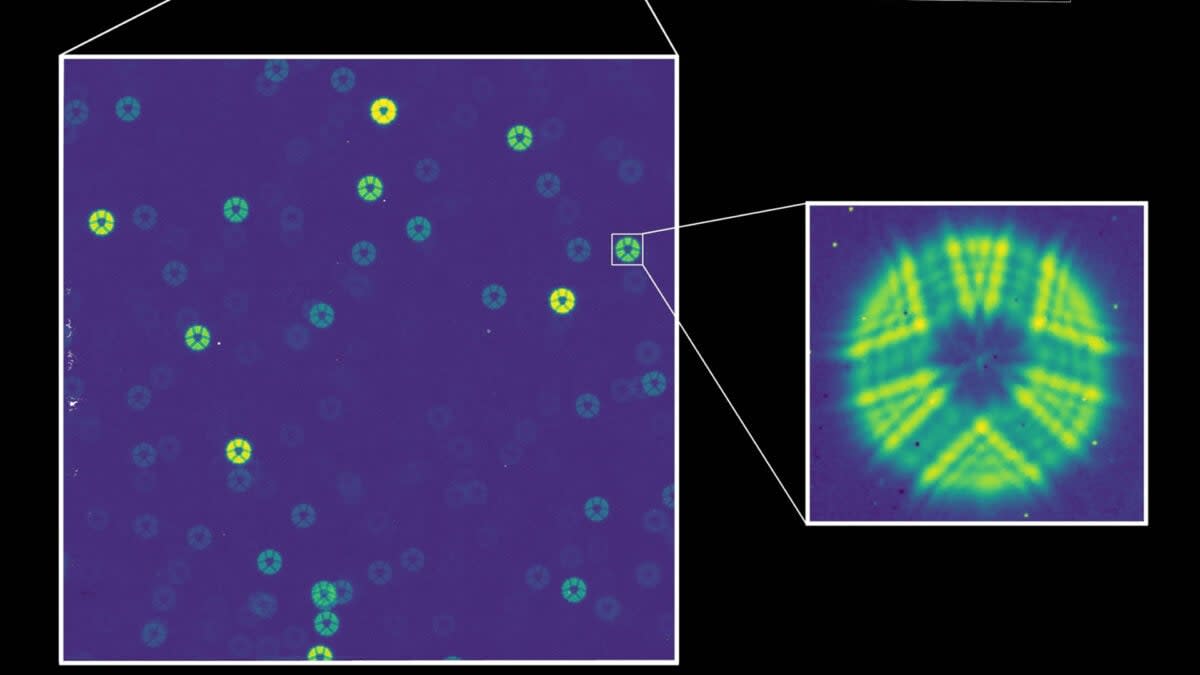
Andrea Bernardi, a doctoral student at Universidad Diego Portales in Chile, led the team that confirmed the discovery using archived observations from the W. M. Keck Observatory in Hawaii. The planet sits 450 light-years from Earth, nestled inside a gap in the dusty disk surrounding its young star.
Here's what makes this find so remarkable: Elias 2-24 b is about as massive as Jupiter but orbits roughly 55 times farther from its star than Earth orbits the Sun. According to current models, a giant planet that far out should take much longer than 1 million years to form.
The previous record holders were already puzzling scientists. Four planets tied for youngest at just over 5 million years old, and even those challenged existing theories about how quickly giant worlds can come together.
"Our planet formation models already struggled to explain the previous record holders," said Lucas Cieza, a professor at the Instituto de Estudios Astrofísicos in Chile. "Elias 2-24 b shows us that even our best planet formation models are still missing some important processes."
The discovery actually solves a decade-old mystery. Telescopes had spotted hints of something in that gap around Elias 2-24 for years, but scientists debated whether it could really be a planet. By tracking how the object moved through archived images from 2018 and 2020, Bernardi's team confirmed it orbits the star like a true planet.
Why This Inspires
This discovery reminds us that the universe still holds surprises that can reshape what we think we know. Every time scientists find something that doesn't fit the rules, we get closer to understanding how our own solar system came to be billions of years ago.
The breakthrough also highlights the value of patience and collaboration in science. Data collected years ago, carefully preserved in NASA-funded archives, became the key to unlocking this cosmic secret.
Watching a planet being born shows us that creation is happening everywhere in the universe, right now, even as we read these words.
Based on reporting by Science Daily
This story was written by BrightWire based on verified news reports.
Spread the positivity!
Share this good news with someone who needs it