ASU Gets $4M to Unlock Psychedelic Therapy Benefits
Arizona State University just secured $4 million to figure out which patients can benefit most from psychedelic therapy for depression and PTSD. The breakthrough research could help millions who don't respond to traditional treatments.
For the 30% of depression patients who don't respond to standard medications, hope just arrived in the form of a $4 million federal research award.
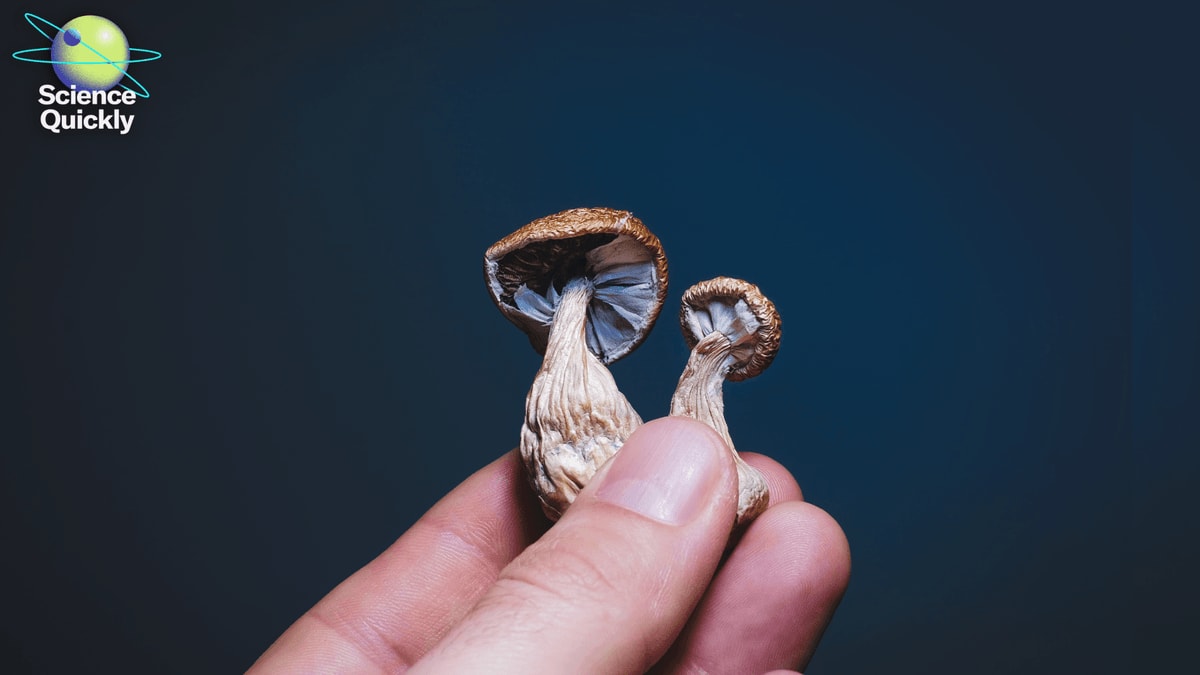
Arizona State University is leading a groundbreaking project to understand how psychedelic compounds like psilocybin, MDMA, and ketamine actually work to treat mental health conditions. The funding comes from the Advanced Research Projects Agency for Health, which signals a major shift in how the federal government views these once-stigmatized treatments.
The numbers tell a stark story. About 40% of PTSD patients don't respond to medication, and up to 50% see no improvement from cognitive behavioral therapy. These people have been stuck with few proven alternatives until now.
Professor Candace Lewis is leading the Multi-Omic Neuroplastogen Response Atlas project, which brings together brain science, artificial intelligence, and clinical research. The team will analyze data from multiple clinical trials to create predictive models that answer three critical questions: Who will benefit most? Who might face risks? How long will the effects last?
What makes these compounds special isn't just that they alter consciousness. They actually change the physical structure of neurons and synapses, a process called neuroplasticity that makes the brain better at learning during therapy.
The research team spans multiple ASU schools, bringing together experts in neuroscience, psychiatry, engineering, and genomics. They're partnering with the U.S. Department of Veterans Affairs and therapeutic companies to measure everything from genetics to speech patterns.
The Ripple Effect
This research could transform mental health care for millions. By examining how genes, life experiences, and proteins interact with these treatments, doctors may soon be able to say, "Based on your biology, this specific compound will work best for you."
The shift represents a dramatic turnaround from 1970, when the Controlled Substances Act banned these compounds and shut down nearly all research. Now federal agencies are investing millions to explore their potential, opening doors that stayed closed for over 50 years.
Dr. Holly Lisanby, founding dean of ASU's medical school, sees the project as medicine's future: collaboration across disciplines using artificial intelligence to personalize care. The team is collecting biological markers and using machine learning to spot subtle patterns that reveal how treatment affects both body and brain.
For veterans struggling with PTSD and the millions facing treatment-resistant depression, this research offers something precious: a path forward when other options have failed.
The data collection is already underway, bringing science one step closer to matching the right patient with the right treatment at the right time.
Based on reporting by Google News - New Treatment
This story was written by BrightWire based on verified news reports.
Spread the positivity!
Share this good news with someone who needs it