St. Jude: 10 Minutes Daily Cuts Stress in Cancer Survivors
Childhood cancer survivors who practiced mindfulness for just 10 minutes a day showed measurable improvements in both mental health and physical inflammation markers. The simple, at-home intervention offers hope for millions navigating life after treatment.
St. Jude researchers have discovered that a brief daily mindfulness practice can improve both emotional and physical health in childhood cancer survivors, offering an accessible path forward for families facing long-term stress.
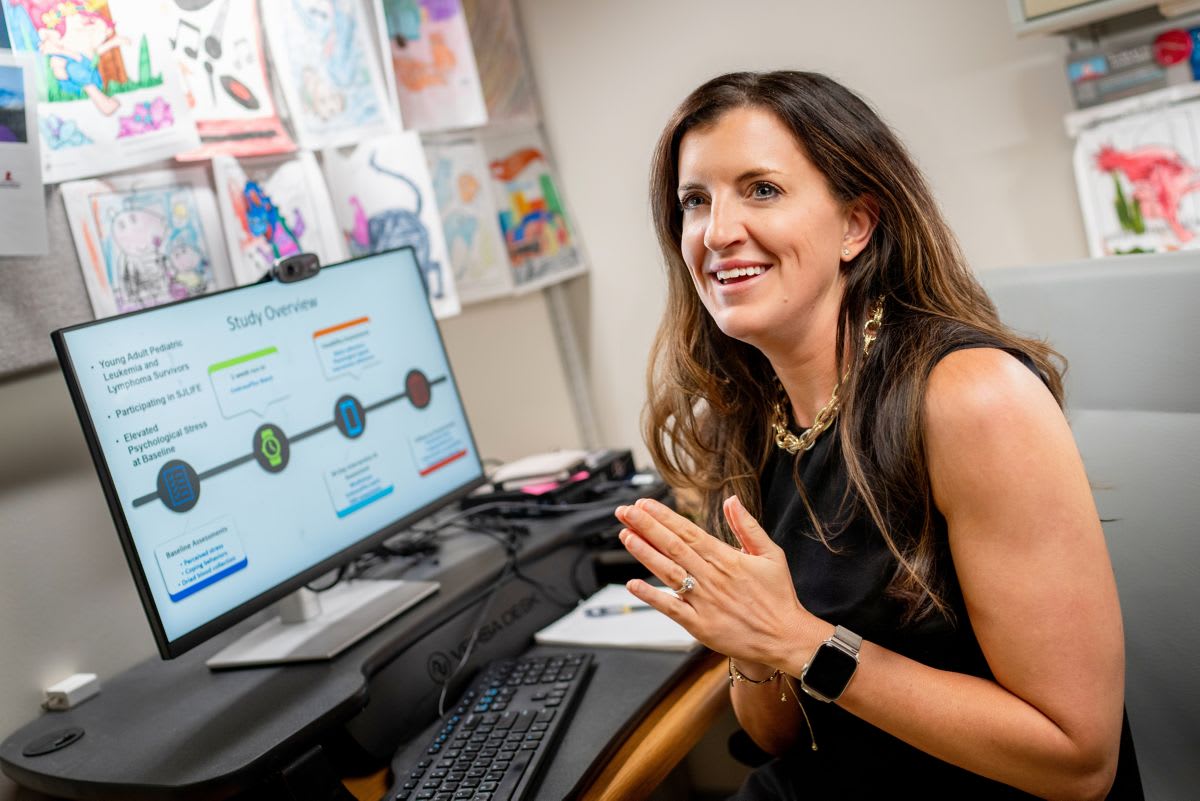
Most children treated for cancer in the United States now survive their disease, but many face lasting psychological challenges and higher risks of chronic conditions. Dr. Rachel Tillery Webster and her team at St. Jude Children's Research Hospital wanted to understand how emotional stress affects survivors' bodies, and what simple interventions might help.
The researchers found striking connections between mental and physical health. Survivors reporting higher depression and anxiety showed elevated levels of C-reactive protein, a blood marker linked to inflammation and chronic disease risk.
Even more surprising was the family connection. Caregiver stress and emotional distress also correlated with higher inflammation levels in survivors, especially in older adolescents who could better recognize the feelings of adults around them.
"Our results show that our interventions need to focus on more than just survivors," Webster explained. "They really need to focus on the whole system, as the family is impacted by the cancer journey alongside our children who are being treated."
Survivors themselves had been saying this all along. When transitioning from treatment to survivorship care, patients told researchers that without addressing emotional health first, recommendations for diet, exercise, and regular screenings felt impossible to follow.
So Webster's team tested something simple: mindfulness. In a pilot study, survivors practiced 10 minutes of mindfulness daily for 30 days. The intervention was designed to be done at home with minimal cost, crucial for families struggling to access healthcare.
The results exceeded expectations. Participants showed decreased anxiety and depression alongside improved autonomic nervous system activity. Their heart rate patterns, hormone responses, and stress indicators all improved, changes that matter because autonomic dysregulation is linked to heart and metabolic problems down the line.
Why This Inspires
This research proves that major health improvements don't always require expensive treatments or specialized facilities. Ten minutes a day of mindfulness, something any family can do at home, produced measurable changes in both emotional well-being and physical health markers.
For the estimated 500,000 childhood cancer survivors in the United States, many facing heightened health risks and limited access to ongoing care, this offers real hope. The intervention recognizes what patients have been saying: emotional health isn't separate from physical health, and supporting the whole family matters.
Webster and her colleagues are now expanding their research, building on these promising findings to help more survivors and families thrive after treatment. Simple tools, accessible to everyone, are changing lives one mindful moment at a time.
Based on reporting by Google News - Cancer Survivor
This story was written by BrightWire based on verified news reports.
Spread the positivity!
Share this good news with someone who needs it