ASU Scientists Create Enzyme to Clean Old Mine Waste Sites
Researchers at Arizona State University have developed an enzyme treatment that stabilizes toxic mining waste and prevents contamination from reaching waterways. The solution can be applied without heavy equipment, making it perfect for remote abandoned mine sites across America.
Scientists have found a nature-inspired way to tackle one of mining's messiest environmental problems, and it works where traditional cleanup methods can't reach.
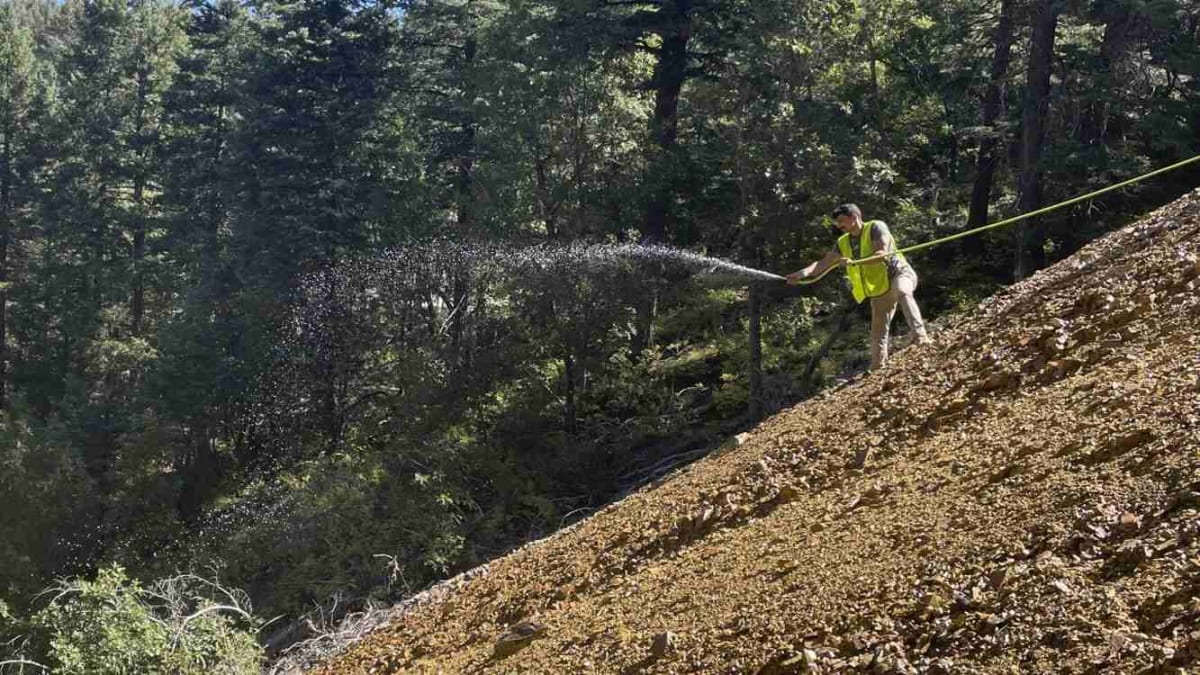
Researchers at Arizona State University created an enzyme-based treatment that forms a protective crust over old mine waste, stopping erosion before toxic metals like arsenic and lead can wash into nearby rivers and groundwater. The innovation comes as America ramps up mining operations to meet surging demand for critical minerals and precious metals.
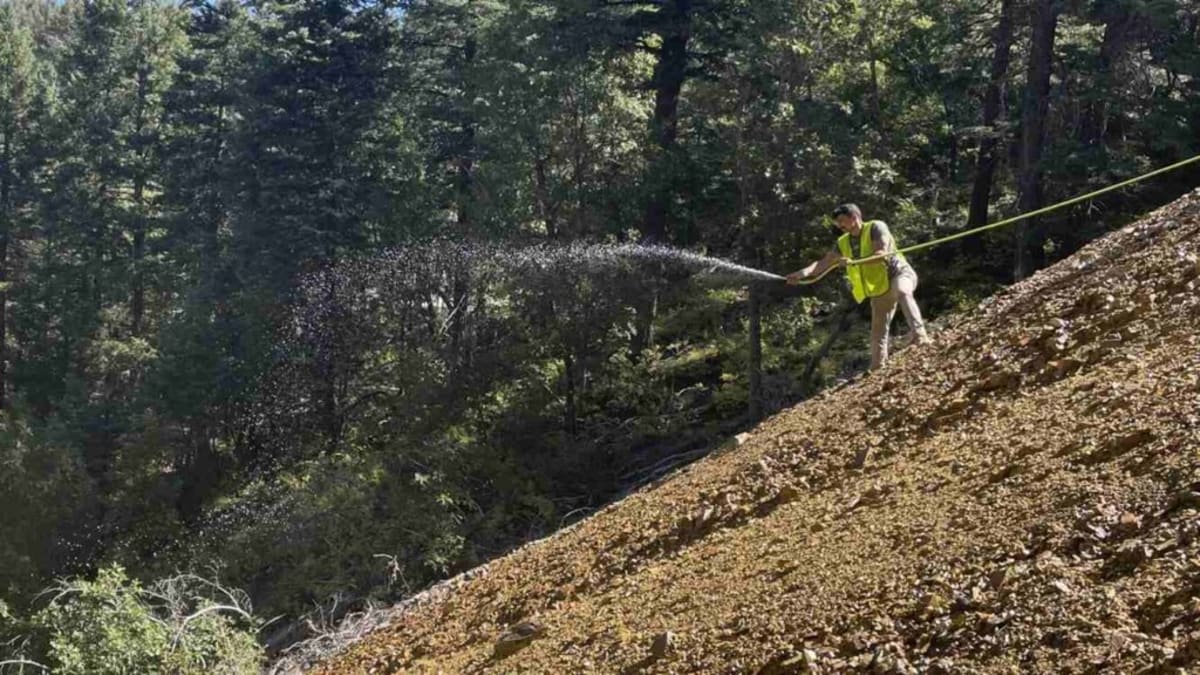
The team tested their solution at Cash Mine, an abandoned site near Prescott, Arizona, with support from the state's Department of Environmental Quality. Unlike conventional cleanup methods that require specialized machinery, this treatment can be mixed and applied on site with basic equipment.
"By using an enzyme-based process to form natural mineral bonds within the soil, we can create a protective crust that helps limit erosion and dust generation while avoiding more chemically intensive treatments," said Hamed Khodadadi Tirkolaei, who leads the ASU Mining Innovation Initiative.
The timing couldn't be better. Soaring gold and silver prices have turned dozens of marginal operations into highly profitable businesses, and America is investing heavily in domestic mining to reduce dependence on foreign mineral supplies. But many mining towns are still surrounded by old tailings piles left over from less careful eras.
These tailings, the leftover crushed rock from separating valuable ore, often contain harmful elements and processing chemicals. Modern facilities handle them safely, but older sites pose constant low-level environmental hazards.
The Ripple Effect: The ASU team developed a backup solution too. When heavy metal concentrations are high enough to interfere with enzyme activity, they can switch to a plant-based biopolymer treatment instead. This flexibility means the approach can work at nearly any contaminated site, no matter what mix of pollutants it contains.
The research is part of a larger effort to make America's new mining boom cleaner than previous ones. As operations expand to meet demand for everything from smartphone minerals to battery metals, solutions like this enzyme treatment could prevent tomorrow's environmental problems while fixing yesterday's mistakes.
Scientists are now working to scale up the treatment for wider deployment across abandoned sites nationwide.
More Images


Based on reporting by Good News Network
This story was written by BrightWire based on verified news reports.
Spread the positivity!
Share this good news with someone who needs it