At 66, She's Saving Forgotten Bengali Recipes From History
A journalist-turned-culinary historian is traveling through rural Indian villages to rescue disappearing ingredients and traditional cooking methods. Her work preserves indigenous food wisdom that sustained communities for generations.
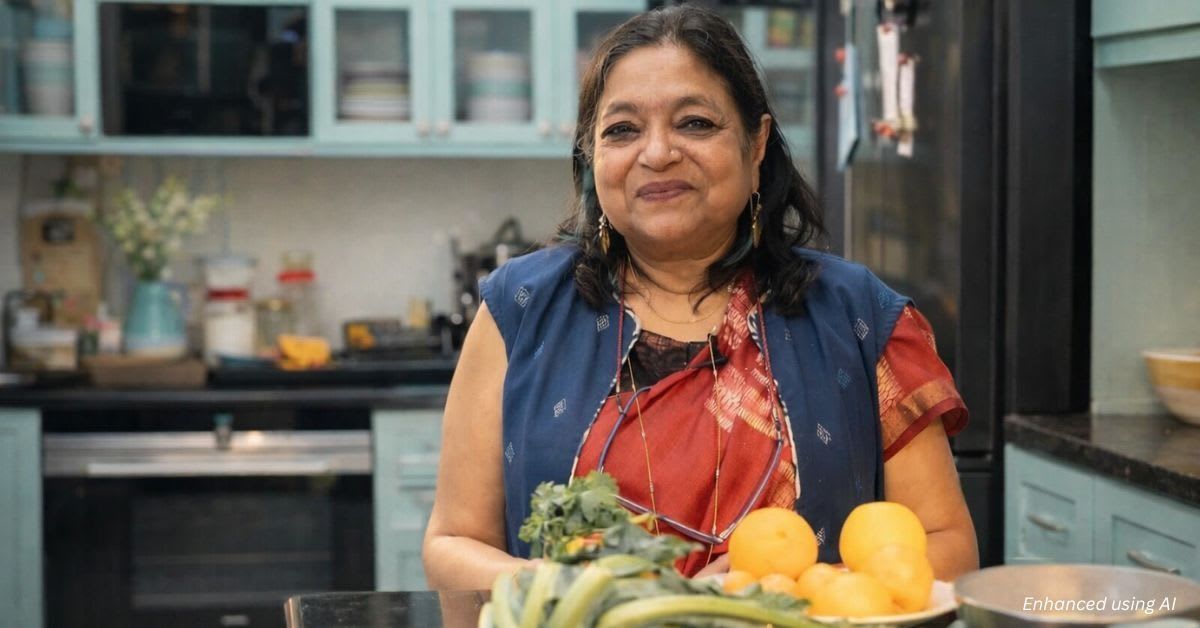
Pritha Sen doesn't call herself a great cook. At 66, she describes herself as "a deconstructor of food" who needs to know the who, what, why, when, where, and how behind every dish she encounters.
Her quest began with childhood memories of watching her uncle prepare Goalondo fowl curry while her grandfather reminisced about the Padma River in East Bengal. That simple curry became her gateway to understanding how every dish carries stories of the people who created it.
Years later, while working in sustainable livelihoods across rural India, Pritha discovered something remarkable in village kitchens. The women she met possessed ancient wisdom about extracting maximum nutrition from minimal resources using seasonal, local ingredients.
She learned that Bengali cuisine has a zero-waste legacy stretching back centuries. Families ate colocasia leaves and stalks, gourd leaves and peels, all packed with micronutrients that modern cooking often discards.
These conversations transported her back to her own childhood when eating meant following the seasons. Food wasn't about explosive flavors but genuine nutrition that came from using every part of a plant or animal.
Pritha began documenting these forgotten ways through pop-ups and restaurants across India. Her work bridges generations, teaching young people about their culinary heritage before it vanishes completely.
One dish she traced was the Goalondo fowl curry, served at small riverside shacks in the late 1800s. Through interviews with elderly travelers, she learned it was "a thin, red curry with oil glistening on top and a heavenly aroma of garlic" that fueled journeys to East Bengal, Assam, and Burma.
Her research revealed that indigenous communities survived not just through government nutrition programs but through generations of food knowledge. Women in remote villages still practice techniques that maximize health benefits from scarce resources.
Why This Inspires
Pritha's journey shows how sitting in village kitchens and listening to women's stories can preserve wisdom that might otherwise disappear. She's not just saving recipes but protecting knowledge that kept entire communities healthy for centuries.
Her work reminds us that our grandparents' seasonal eating habits weren't old-fashioned but deeply intelligent. By documenting these traditions now, she's giving future generations access to sustainable, nutritious ways of eating that honor both land and body.
At 66, Pritha Sen is racing against time to capture food histories before they fade from memory forever.
More Images
.png)
%2Fenglish-betterindia%2Fmedia%2Fmedia_files%2F2026%2F04%2F20%2Fpritha-sen-1-2026-04-20-17-44-02.jpg)
%2Ffilters%3Aformat(webp)%2Fenglish-betterindia%2Fmedia%2Fmedia_files%2F2026%2F04%2F20%2Fpritha-sen-1-2026-04-20-16-05-52.jpg)

Based on reporting by The Better India
This story was written by BrightWire based on verified news reports.
Spread the positivity!
Share this good news with someone who needs it