Athletes Thrive With Heart Devices After Cardiac Arrest
Christian Eriksen and other elite athletes are proving that life-threatening heart conditions don't have to end professional careers. Thanks to implantable cardioverter defibrillators (ICDs), players can safely return to competition after cardiac arrest.
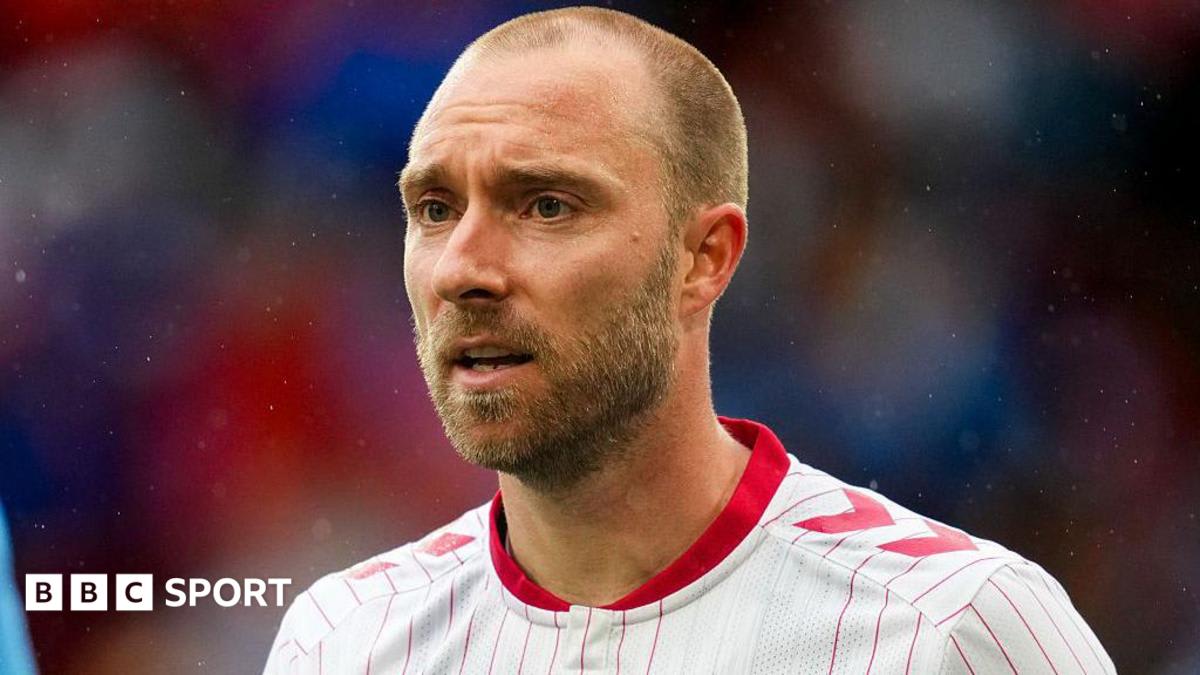
When Christian Eriksen collapsed on the soccer field in 2021, millions feared the worst. Three years later, he's not just alive but thriving as Denmark's record appearance-maker, thanks to a small device in his chest that saved his life again this week.
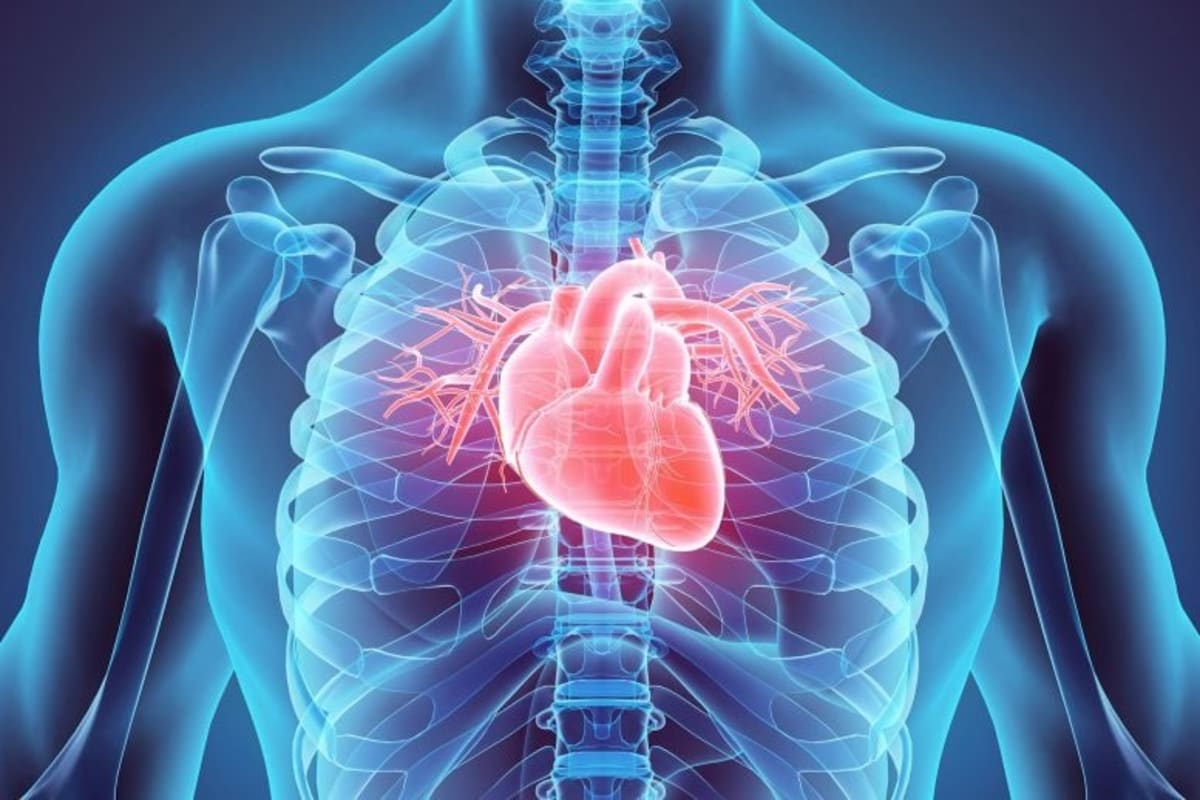
An implantable cardioverter defibrillator (ICD) is a cell phone-sized device that monitors the heart constantly. When it detects dangerous rhythms or a stopped heartbeat, it delivers a shock to restart or reset the heart within seconds.
Eriksen received his ICD after suffering cardiac arrest during a Euro 2020 match. The device activated exactly as designed during Denmark's friendly match against Ukraine on Sunday, prompting medical staff to assist him on the field.
"The pacemaker responded as it should," confirmed Denmark's team doctor Morten Boesen. Eriksen walked off the field and is expected to make a full recovery.
The sight was scary but showed something remarkable: modern medicine allows athletes to compete safely even after life-threatening heart events. Eriksen has played at the highest level for Manchester United, Brentford, and Wolfsburg since his cardiac arrest.
"I don't see any risk, no," Eriksen told BBC Sport in 2022. "I have an ICD, if anything would happen then I am safe."
Why This Inspires
Medical thinking has shifted dramatically over the past two decades. Around 2000, anyone with serious cardiac issues was told to stop all sports entirely.
Today, doctors take a personalized approach. Dr. Amanda Lahti, a sports medicine researcher, explains that each case involves careful evaluation by medical experts, the player, and their team.
"ICDs today are very good," Dr. Lahti notes. "They tolerate physical contact and most often they work fast."
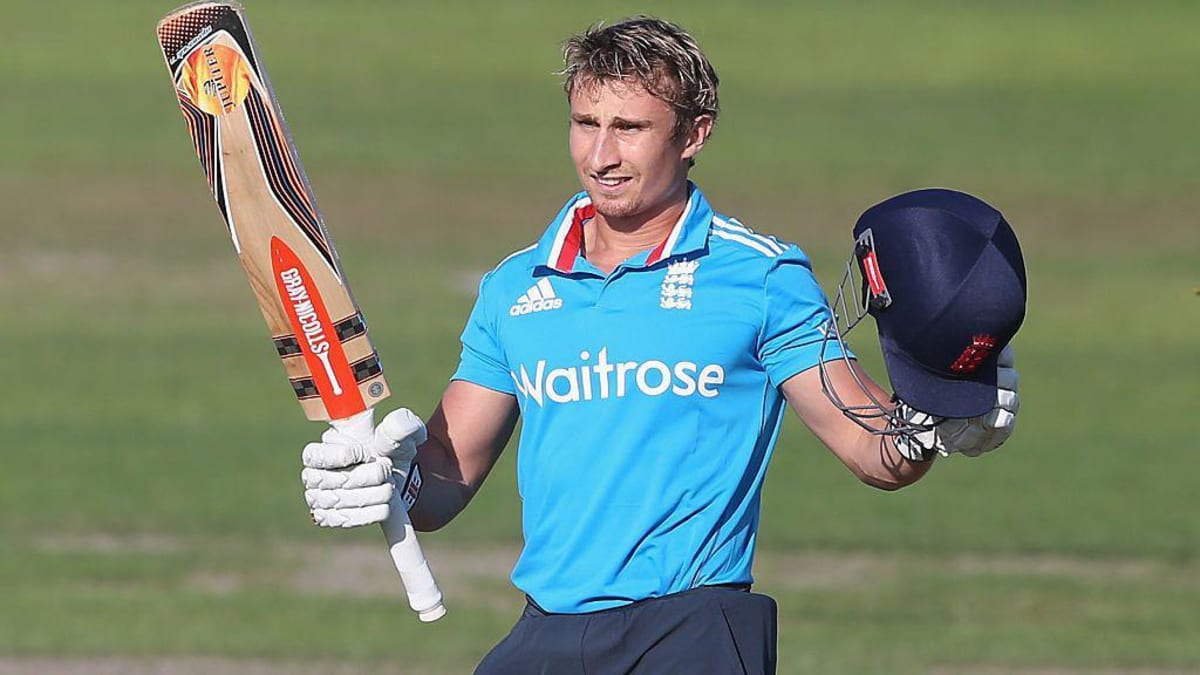
Former England cricketer James Taylor knows this firsthand. He retired at 26 after being diagnosed with genetic heart disease and received an ICD.
Just one month after getting the device, it activated while he was on stage. "It was like a mini explosion in my chest," Taylor recalls. "It blew me backwards about a meter. But it worked."
Taylor now plays recreational sports like golf and padel with confidence. His ICD provides constant reassurance that he's protected if something goes wrong.
The devices aren't perfect and can occasionally activate inappropriately. Taylor once experienced a shock triggered by a pool pump rather than his heartbeat. But after a quick remote check with his doctors, he confirmed his heart was fine.
For Eriksen, Sunday's incident proved what he's been saying all along: the device works. While Italy's Serie A prohibits players with ICDs from competing, leagues like the Premier League and Bundesliga allow individual assessments.
Athletes like Eriksen are showing that cardiac arrest doesn't have to mean the end of dreams, just a new partnership with life-saving technology.
More Images
Based on reporting by BBC Sport
This story was written by BrightWire based on verified news reports.
Spread the positivity!
Share this good news with someone who needs it