Pomegranate Compound Improves Heart Failure by 80% in Study
Scientists discovered that a compound your body makes after eating pomegranates improved heart function by up to 80% in models of a hard-to-treat heart condition. The breakthrough could help nearly half a million people in the UK living with heart failure that has few treatment options.
A natural compound produced when you eat pomegranates just showed remarkable promise for treating one of medicine's toughest heart conditions.
Scientists at King's College London found that urolithin A, which your body creates after consuming pomegranates, walnuts, and certain berries, improved heart function by as much as 80% in experimental models. The compound worked on heart failure with preserved ejection fraction, a condition affecting nearly half a million people in the UK with limited treatment options.
This type of heart failure is particularly tricky. The heart can still pump blood normally, but it becomes too stiff to relax properly between beats, making it harder to refill with blood. Patients experience breathlessness, exhaustion, and difficulty exercising, yet conventional heart failure treatments don't help much.
Dr. Joseph Burgoyne and his team discovered that urolithin A activates a protein called PKGlα, which helps both blood vessels function and heart muscle relax. This was the first time scientists identified this specific pathway, opening up an entirely new approach to treatment.
The results were striking across multiple tests. Animal models given urolithin A showed improvements of up to 80% in heart function measures compared to untreated models. The compound reduced harmful scar tissue buildup and prevented excessive enlargement of heart muscle cells, helping preserve normal function.
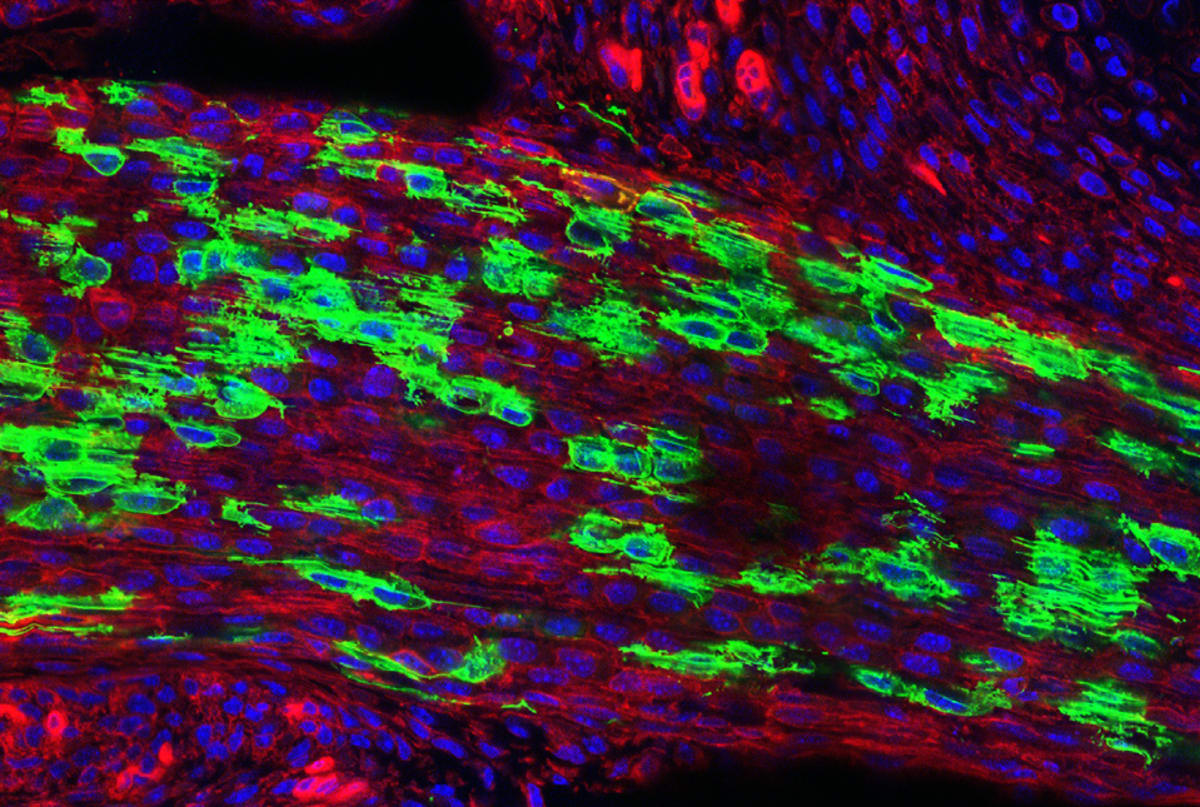
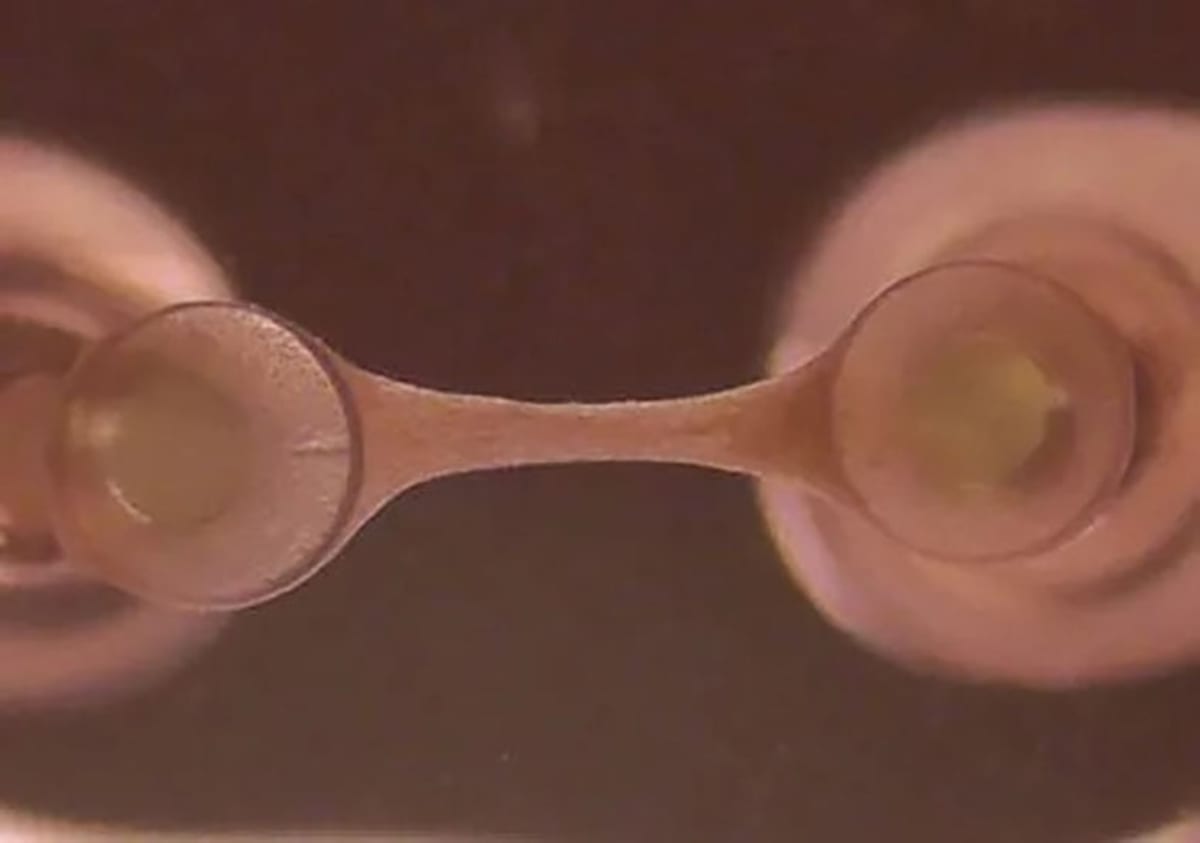
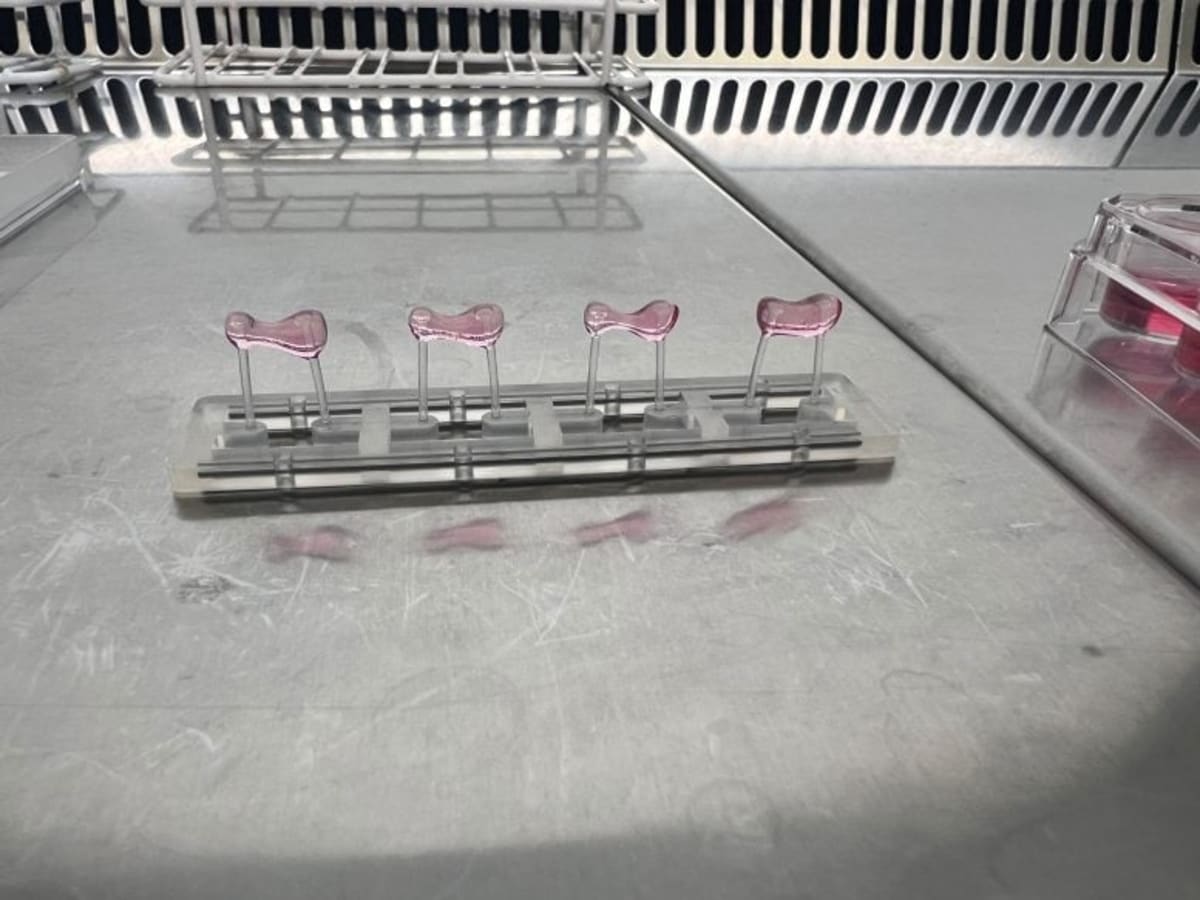
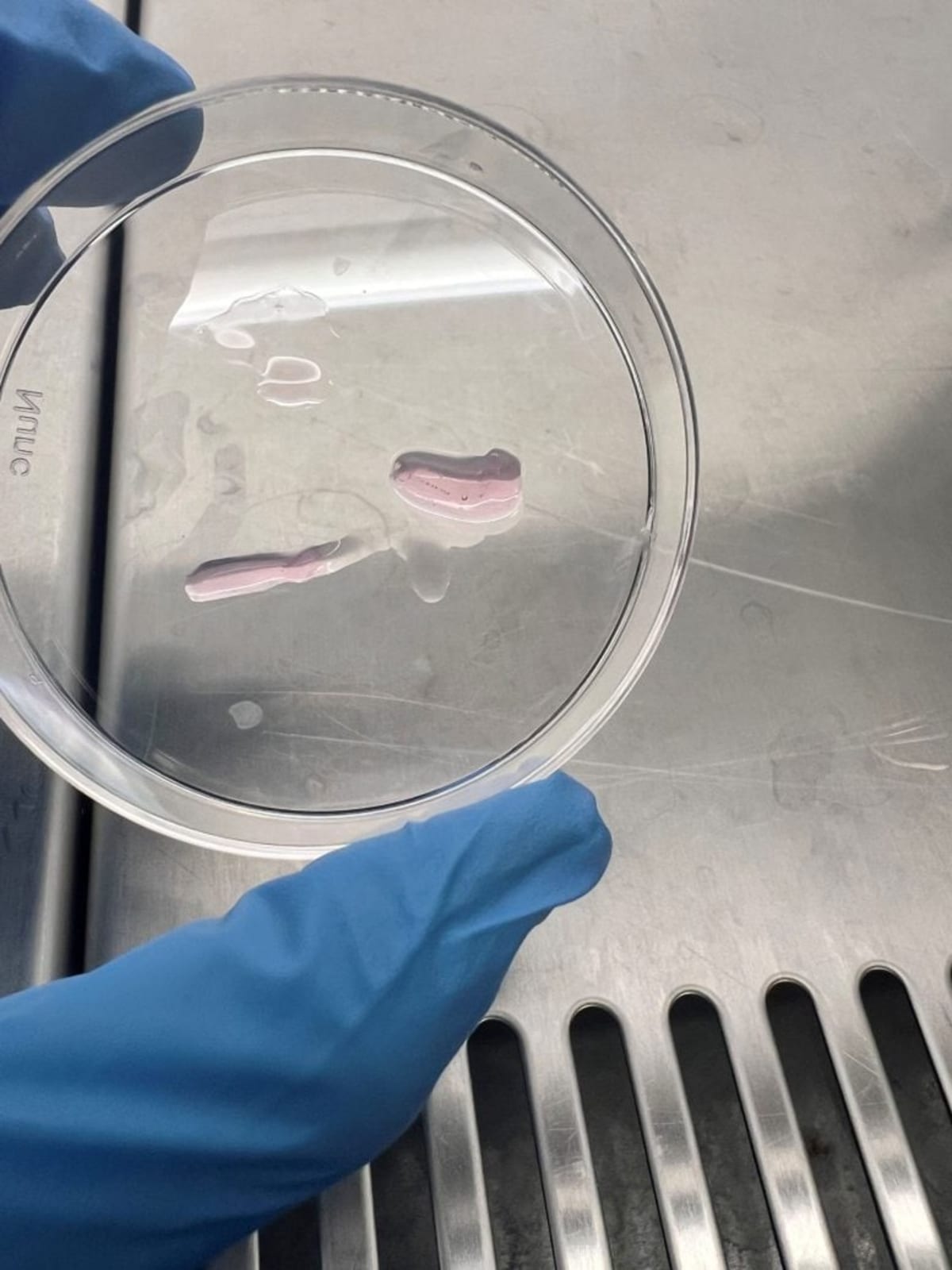
The team then tested urolithin A on engineered human heart tissue grown from human stem cells, designed to closely mimic real human heart muscle. Treatment significantly improved how well the tissue could relax, suggesting the benefits could translate to actual patients.
Why This Inspires
What makes this discovery particularly exciting is that urolithin A has already been tested in humans and shown a favorable safety profile. Unlike many experimental compounds stuck in early research stages, this one is closer to potentially helping real patients.
The research addresses a growing problem as populations age and rates of obesity and diabetes climb. Heart failure with preserved ejection fraction now accounts for about half of all heart failure cases, yet doctors can mainly only manage underlying conditions and recommend lifestyle changes.
Dr. Burgoyne emphasizes this type of heart failure remains one of the most challenging forms of heart disease to treat. The findings identify both a completely new therapeutic target and a naturally derived compound that could be developed into actual treatments to improve quality of life.
Professor James Leiper from the British Heart Foundation notes the condition can be debilitating, making this early-stage research an important step forward. While scientists caution there isn't yet enough evidence to suggest eating pomegranates as a treatment, the findings raise hope that dietary approaches enhancing urolithin A production might one day help alleviate this difficult condition.
More research is needed before these laboratory results can become patient treatments, but the discovery gives scientists a clear path forward for investigating new therapies for a condition that desperately needs them.
More Images

Based on reporting by Google News - New Treatment
This story was written by BrightWire based on verified news reports.
Spread the positivity!
Share this good news with someone who needs it