FDA Approves First Treatment for Fatal Brain Disease
For the first time ever, children and adults with Alexander disease have a treatment that attacks the root cause of their condition, not just the symptoms. The FDA's approval of zilganersen gives hope to families facing a disease that has always been fatal.
Families living with Alexander disease just received news they never thought possible: the FDA approved the first treatment that actually fights the disease itself.
Alexander disease is incredibly rare, affecting fewer than one in a million people worldwide. Until now, doctors could only treat symptoms while patients gradually lost the ability to walk, swallow, and perform basic functions.
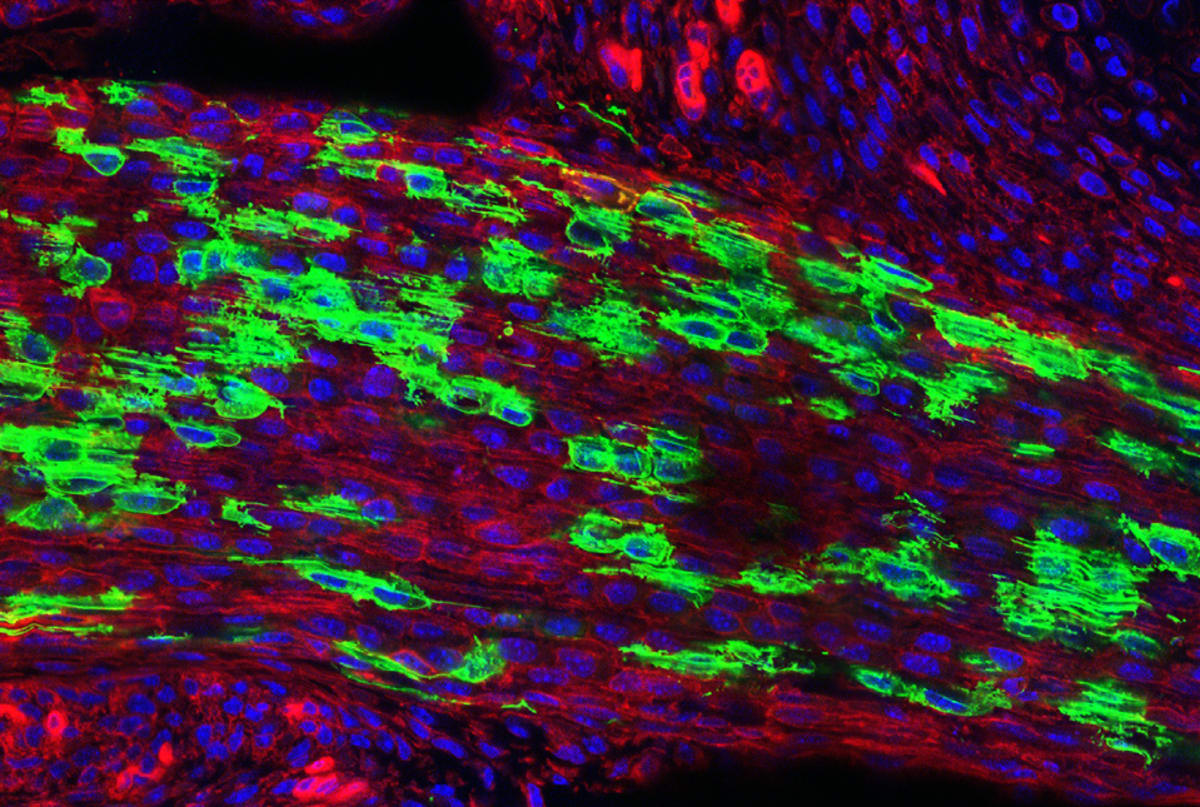
The disease happens when a genetic mutation causes brain support cells called astrocytes to produce too much of a protein called GFAP. These proteins pile up and form toxic clumps that destroy the protective coating around nerves. Children often develop seizures, movement problems, and severe developmental delays, while adults experience progressive loss of coordination and muscle control.
Zilganersen works differently than anything doctors had before. Instead of managing symptoms, the drug stops the body from making the toxic protein in the first place. Delivered directly into spinal fluid every three months, it travels to the brain and shuts down the harmful protein production at its source.
The treatment proved itself in clinical trials that tracked both children and adults. Patients who could walk maintained their walking speed over 61 weeks, while those without treatment continued to decline. Young children showed improvements in standing and walking abilities. Blood tests confirmed the drug was doing exactly what scientists designed it to do, reducing harmful protein levels by 33.6 percent.
Even more encouraging, the treatment was safer than doing nothing. Only 37.5 percent of treated patients experienced serious side effects, compared to 47.1 percent in the control group. Most side effects were manageable, including headaches, vomiting, and back pain.
Why This Inspires
This approval represents something bigger than one drug for one rare disease. It shows how precision medicine can tackle conditions once considered untreatable. Families who were told to prepare for the worst now have reason to hope their children might maintain abilities they already have, or even gain new ones.
The technology behind zilganersen could also pave the way for treating other devastating brain diseases caused by protein buildup. What was once a death sentence now has a fighting chance, and the lessons learned here might help countless other families facing different rare conditions.
For parents watching their children struggle, and adults losing their independence, this approval means they're no longer powerless against Alexander disease.
Based on reporting by Google: new treatment approved
This story was written by BrightWire based on verified news reports.
Spread the positivity!
Share this good news with someone who needs it