Scientists Find Stem Cells That May Treat Back Pain
Researchers discovered the stem cells that create all tendons and ligaments in the body, offering hope for 103 million people worldwide suffering from spinal stenosis. A common blood pressure medication might become the key to treating this painful condition without surgery.
Scientists just found something that's been hiding in plain sight for decades: the master stem cells that build every tendon and ligament in your body.
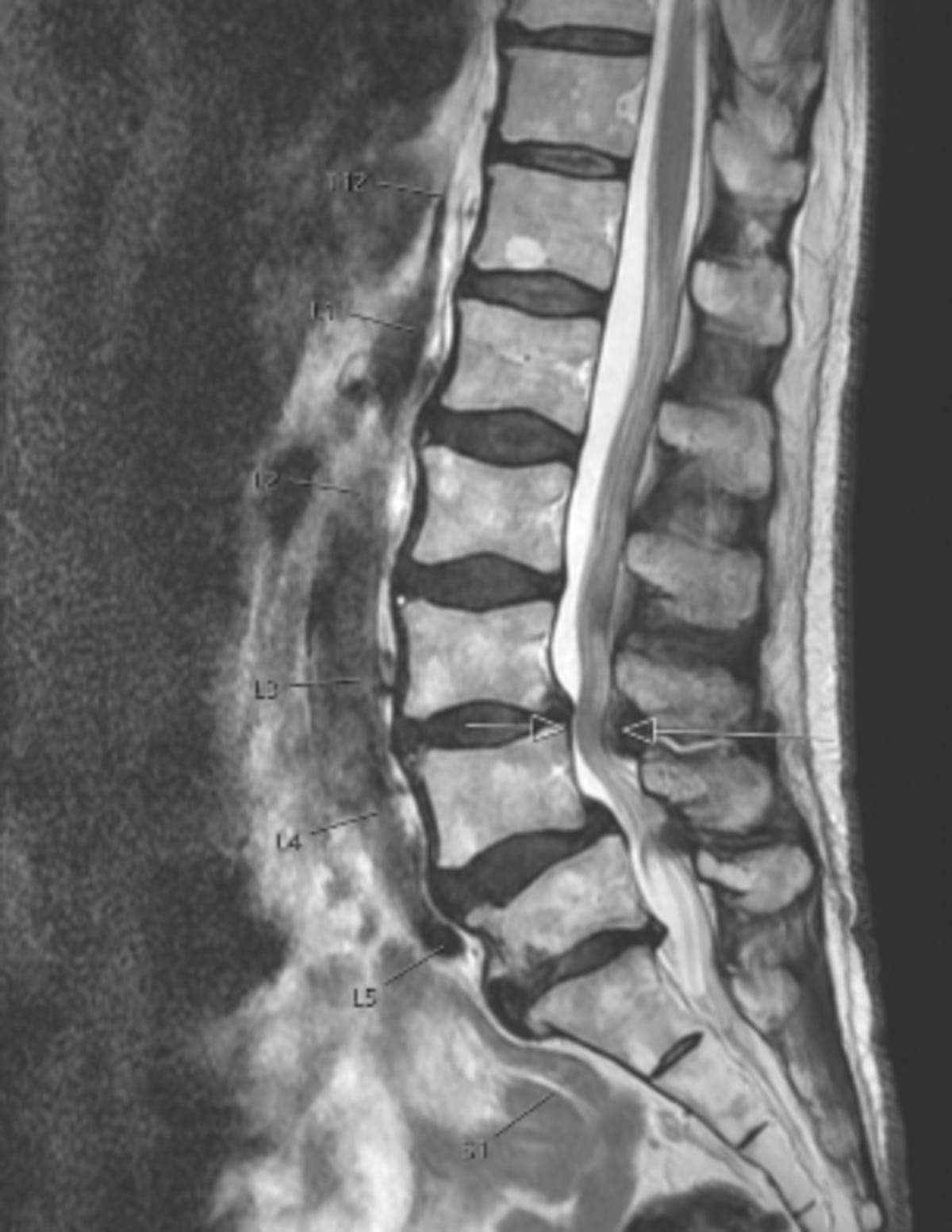
Researchers at Weill Cornell Medicine and Hospital for Special Surgery discovered these special cells while investigating lumbar spinal stenosis, a painful back condition affecting 103 million people worldwide. The condition happens when ligaments in the lower spine grow too large, squeezing nerves and causing pain, numbness, and trouble walking.
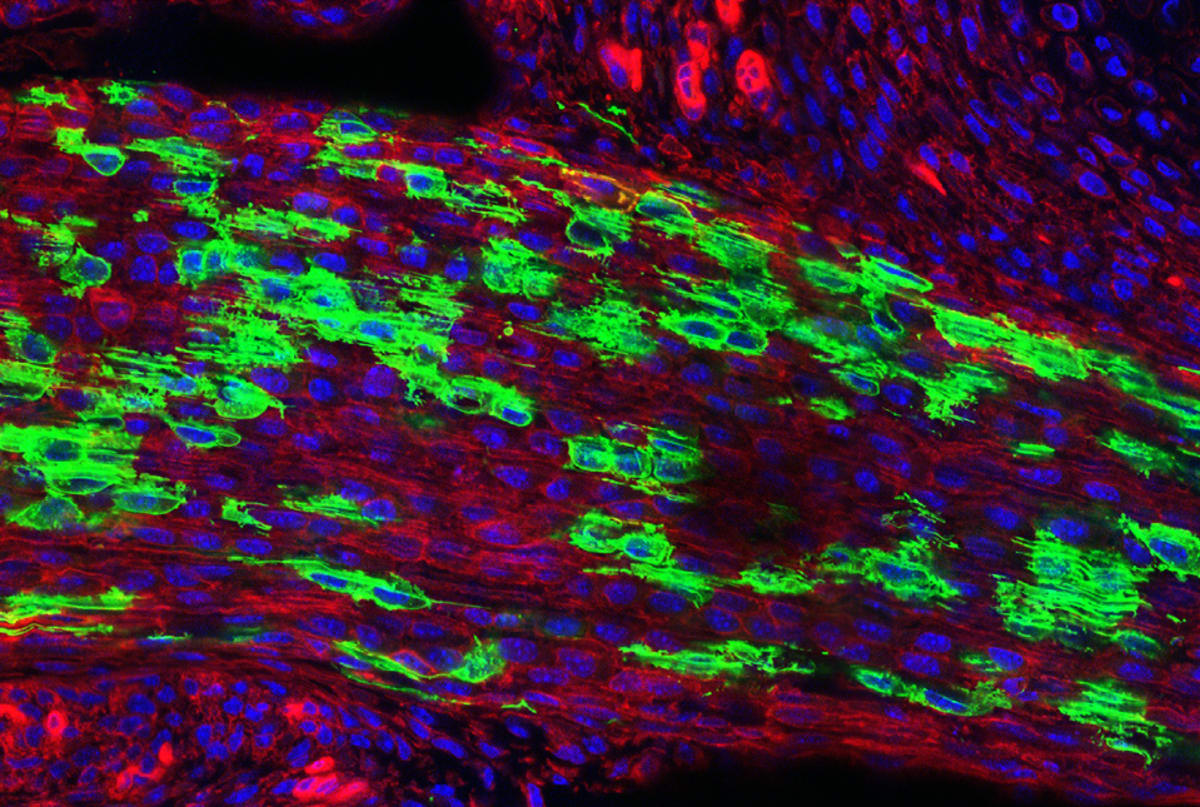
Dr. Matthew Greenblatt and his team analyzed thousands of individual cells to find the rare stem cells that can continuously renew themselves and create all the different cells needed for healthy tendons and ligaments. They found these cells everywhere they looked: the Achilles tendon, knee ligaments, and throughout the spine.
The discovery gets even better. When the team compared stem cells from patients with spinal stenosis to those from healthy spines, they found a crucial difference: the stenosis cells showed much higher calcium signaling, making them overly active and causing tissue overgrowth.
Here's where existing medicine enters the picture. The researchers proved that blocking calcium signaling stopped the overgrowth in mice with spinal stenosis. Calcium channel blockers, already used safely for high blood pressure, might work to treat this painful spine condition.
Dr. Sravisht Iyer, a spine surgeon and study co-author, emphasized the potential impact. Right now, patients wait until their condition worsens enough to require surgery. This discovery offers a chance to address the disease much earlier with medication instead of scalpels.
The research team confirmed their findings work in human cells too, not just mice. Dr. Lingling Hu tested stem cells removed during patient surgeries and proved the human version could both self-renew and produce ligament cells.
Why This Inspires
This breakthrough represents the first potential drug target for one of the world's most common spine conditions. For millions of people who face either living with chronic pain or undergoing invasive surgery, a third option may soon exist.
The beauty of this discovery extends beyond backs. Since these stem cells appear throughout the body, they might help treat other tendon and ligament problems, from sports injuries to genetic disorders like Marfan syndrome. Dr. Greenblatt's team is already exploring these possibilities.
Sometimes the most powerful medical advances come from finally seeing what was always there.
More Images


Based on reporting by Google News - Researchers Find
This story was written by BrightWire based on verified news reports.
Spread the positivity!
Share this good news with someone who needs it