Atlanta Tests Driverless Pods That Skip Traffic Jams
South Metro Atlanta is launching the world's first public test of a pod transit system that promises to move as many people as light rail without the traffic headaches. The pilot starts in December 2026 and could change how cities solve congestion.
If you have ever been stuck in traffic wondering if there's a better way, Atlanta might have the answer.
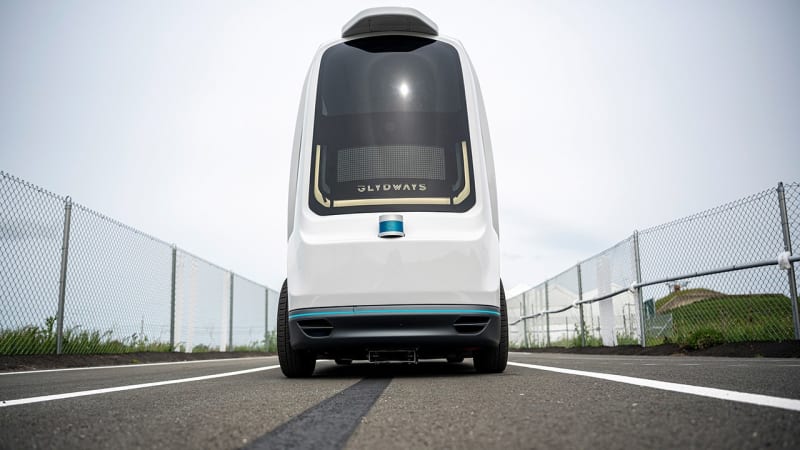
South Metro Atlanta will become the first place in the world to publicly test Glydways' Automated Transit Network when it launches in December 2026. The system uses small electric pods running on their own dedicated guideways, completely separate from regular traffic.
Here's how it works. Riders request a trip through an app, and a pod arrives within minutes. The pod takes them directly from point A to point B with no stops in between, no traffic lights, and no fighting for space with delivery trucks or SUVs.
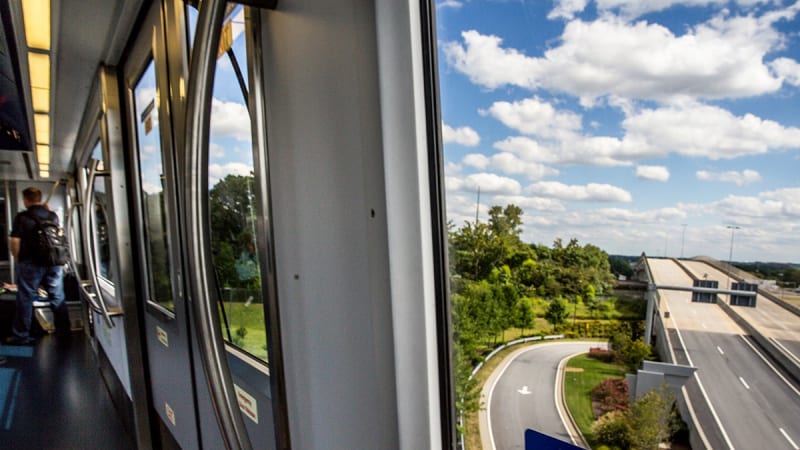
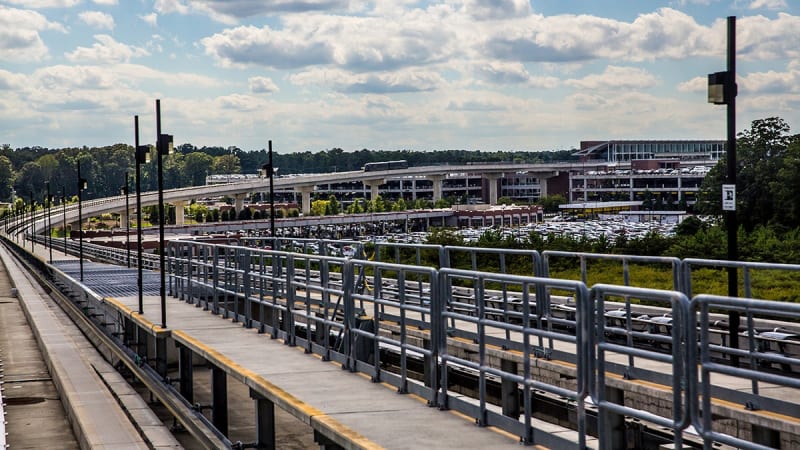
The half-mile pilot will connect the ATL SkyTrain at the Georgia International Convention Center to the Gateway Center Arena. Glydways claims the system can move up to 10,000 people per hour on a guideway just over six feet wide, matching the capacity of light rail at bus fare prices.
The location makes sense. A 2019 study identified the airport area as a 24-hour mobility district where people can get close to where they need to go but struggle with that last leg of the trip. That affects workers heading to their shifts, convention visitors, arena guests, and underserved communities trying to connect to jobs and transit.
Unlike robotaxis that still have to navigate regular traffic, these pods run on purpose-built guideways with controlled access. That allows tighter spacing between vehicles, predictable speeds, and lower maintenance costs. Think lightweight rail system without the billion-dollar price tag or decade-long construction timeline.
Construction started in early 2026, with guideway installation and vehicle testing already underway. The service will be free during the testing phase, giving real riders a chance to experience the system and provide feedback.
The Ripple Effect
If the Atlanta pilot succeeds, the impact could reach far beyond Georgia. Glydways has already signed agreements in Dubai and Abu Dhabi and is in discussions with cities in Tokyo, Florida, California, and New York. Traffic congestion costs the U.S. economy billions of dollars annually and affects quality of life in cities worldwide.
Traditional rail projects often take years to complete and require massive public funding. This system promises faster deployment and lower operational costs because there are no drivers, the vehicles are electric, and the controlled environment reduces wear and tear.
By 2027, MARTA will evaluate whether expansion across the broader Atlanta region makes sense based on real-world data and rider adoption. Future routes could connect airports, suburban corridors, and high-traffic districts where traditional rail is too expensive to build.
The real test is not just whether the technology works but whether the economics make sense without heavy subsidies. Atlanta is the proving ground that will show other cities whether this is the future of urban transit or just another ambitious experiment.
For now, one thing is certain: people in Atlanta will soon have a new way to skip the traffic.
More Images
Based on reporting by Fox News Tech
This story was written by BrightWire based on verified news reports.
Spread the positivity!
Share this good news with someone who needs it