Auckland Adds 91,000 Homes, Prices Drop in 8 Years
New Zealand's largest city cracked the housing affordability crisis by allowing homeowners to replace single-family homes with multiplexes. The simple zoning change added 91,000 new homes in eight years and helped moderate skyrocketing prices.
Auckland just proved that cities can actually solve their housing crises without waiting decades. By letting homeowners build multiplexes where single-family houses once stood, New Zealand's biggest city added 91,000 new homes in eight years and watched prices stabilize.
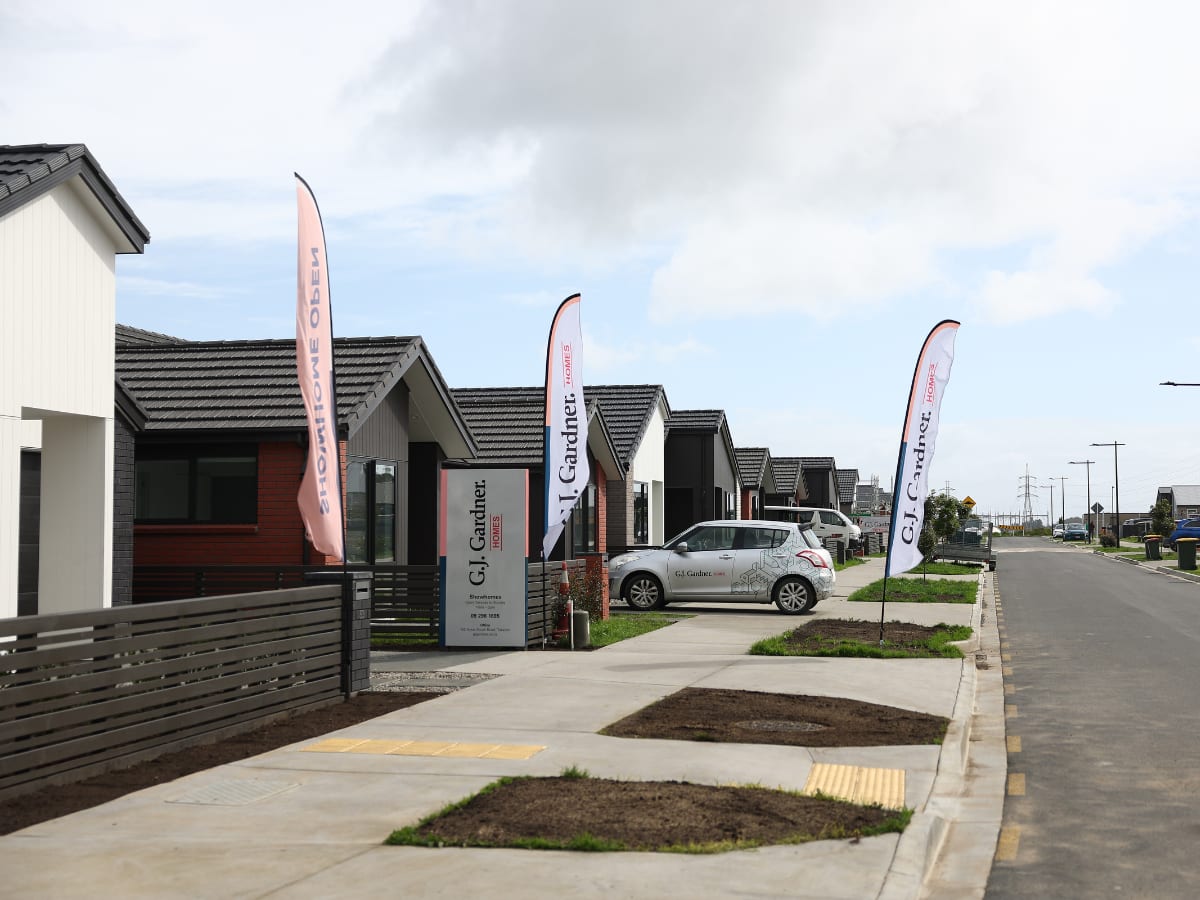
The transformation started in 2016 when Auckland passed the Auckland Unitary Plan, rezoning 75 percent of residential land to allow townhouses and multiplexes. What happened next surprised even the planners: for every single home demolished, nine new dwellings appeared in its place.
Auckland faced the same crushing pressure as cities worldwide. Between 2010 and 2025, the population jumped from 1.3 million to 1.8 million as immigrants and wealthy citizens returned from Australia. Housing construction couldn't keep pace, and prices soared beyond reach for regular families.
The city's solution was elegantly simple: remove the rules that forced neighborhoods to stay frozen in time. Homeowners could suddenly split their properties into multiple units or build townhouses. Developers could create "missing middle" housing that fills the gap between single homes and apartment towers.
The results showed up in the data by 2018 when the first wave of new construction hit the market. Housing stock grew 18 percent across the metropolitan area. Townhouses and small multiplexes dominated the new construction, transforming quiet single-family streets into denser, more vibrant neighborhoods.
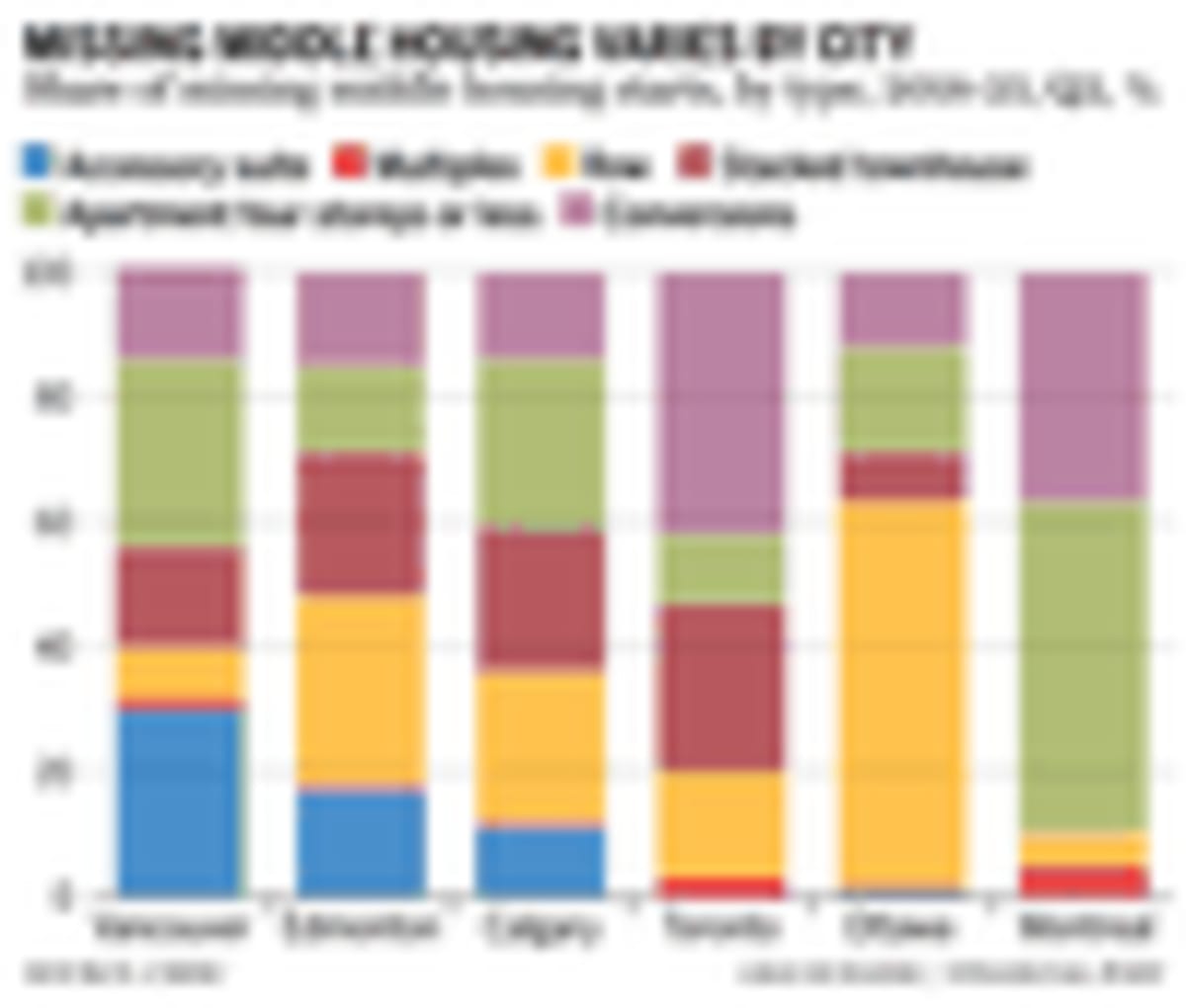
Canadian cities are now watching Auckland's success closely. Calgary and Edmonton have seen explosive growth in missing-middle housing, with starts jumping 44 percent between 2023 and 2024. Together, these prairie cities built 21,000 new units in just one year.
Toronto, Montreal, and Vancouver lag surprisingly behind despite their severe affordability problems. The three largest Canadian cities combined for only 12 percent of missing-middle housing starts, less than Ottawa alone at 13 percent.
The Ripple Effect
Auckland's housing boom shows what happens when cities choose abundance over scarcity. The 91,000 new homes didn't just give more families a place to live. They created construction jobs, filled empty nesters' pockets when they downsized, and gave young people hope that homeownership might actually be possible.
The policy worked because it trusted regular people to make smart decisions about their property. No central planner decided where every new home should go. Homeowners and small developers responded to demand, building where people actually wanted to live.
Other cities facing impossible housing costs now have a proven playbook. The math is straightforward: more homes means more options means lower prices. Auckland demonstrated that zoning reform isn't just theory, it's a practical solution that works in the real world.
Cities worldwide are finally realizing that the answer to unaffordable housing has been hiding in plain sight all along.
More Images


Based on reporting by Google News - New Zealand Success
This story was written by BrightWire based on verified news reports.
Spread the positivity!
Share this good news with someone who needs it