Auckland's Rescued Birds Now Saving Northland Kōkako
In a full-circle conservation win, Auckland's kōkako population has grown from near extinction to over 850 birds and is now rescuing struggling populations in Northland. Twenty birds are being relocated to save their northern cousins from disappearing forever.
A rare New Zealand songbird once saved from the brink of extinction is now returning the favor, proving that conservation investments can pay forward for decades.
The kōkako of Auckland's Hūnua Ranges survived against impossible odds. In 1994, just one female remained alongside 17 aging males, a population on the edge of total collapse.
Today, more than 850 of these blue-grey forest birds thrive in the same ranges. They produce around 250 fledglings every year, making Hūnua one of the most successful kōkako habitats in New Zealand.
That incredible comeback happened because other regions once shared their birds with Auckland. Now Auckland is paying it forward.
Up to 20 kōkako from Hūnua are being relocated to Waipoua Forest in Northland, where populations have crashed to dangerously low levels. Some areas have only one to three females left, while another site has fewer than five birds total.
The decline happened fast. Predators like rats, stoats and possums took their toll, while drought reduced food supplies and a pause in pest control made things worse.
The Ripple Effect
This translocation shows how one conservation success can spark another. More than half of New Zealand's kōkako populations exist today because of similar bird-sharing programs.
The approach works because healthy birds bring genetic diversity, helping small populations overcome inbreeding risks and bounce back. Auckland's own recovery depended on this exact strategy.
"The Hūnua population only exists today because other regions once shared their birds with us," says Auckland Council Project Lead Miranda Bennett. "To now be in a position where we can return that support is incredibly special."
Northland's kōkako carry unique value beyond their numbers. Geographic isolation means they may possess genetic traits found nowhere else, potentially vital for the species' survival as climate changes.
They also sing distinct regional songs. Losing them would erase both ecological diversity and cultural heritage.
For Te Roroa, the indigenous guardians of Waipoua Forest, kōkako are taonga, a treasured species. Kim Boyce of the Whatu Ora and Manawhenua Board calls the translocation "a chance to restore balance and strengthen the life force of our ngahere."
Tipa Compain of Ngāti Pāoa, speaking for Auckland's indigenous partners, says sending birds north honors connections between forests. "We do this with aroha and hope for their future."
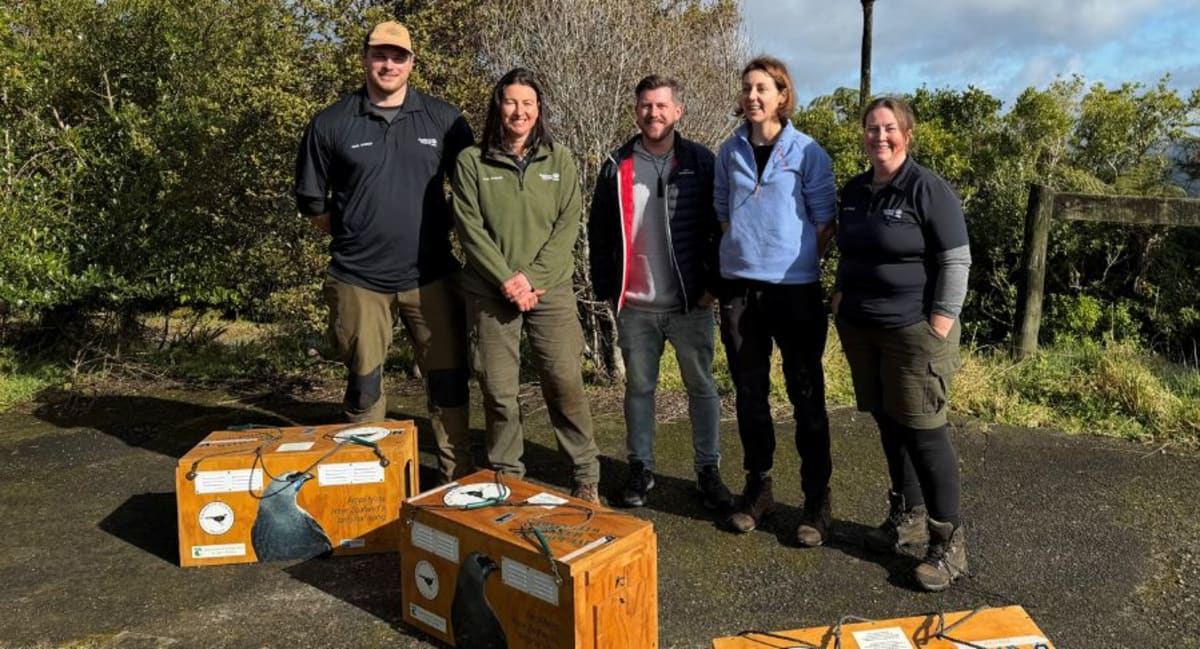
Nine birds have already made the journey to their new Northland home, with 11 more arriving by weekend's end.
Conservation experts believe these birds will give struggling populations the genetic boost and breeding strength they desperately need, proving that protecting nature today creates the power to save it tomorrow.
Based on reporting by Google News - Conservation Success
This story was written by BrightWire based on verified news reports.
Spread the positivity!
Share this good news with someone who needs it