August 2026: Solar Eclipse, Perseids, and Lunar Eclipse
August 2026 brings four incredible sky shows, including a total solar eclipse across northern regions and the peak of the Perseid meteor shower under perfect dark skies. NASA says it's one of the best months for stargazing all year.
📺 Watch the full story above
Get ready to look up because August 2026 is serving up a celestial feast that happens only once in a lifetime.
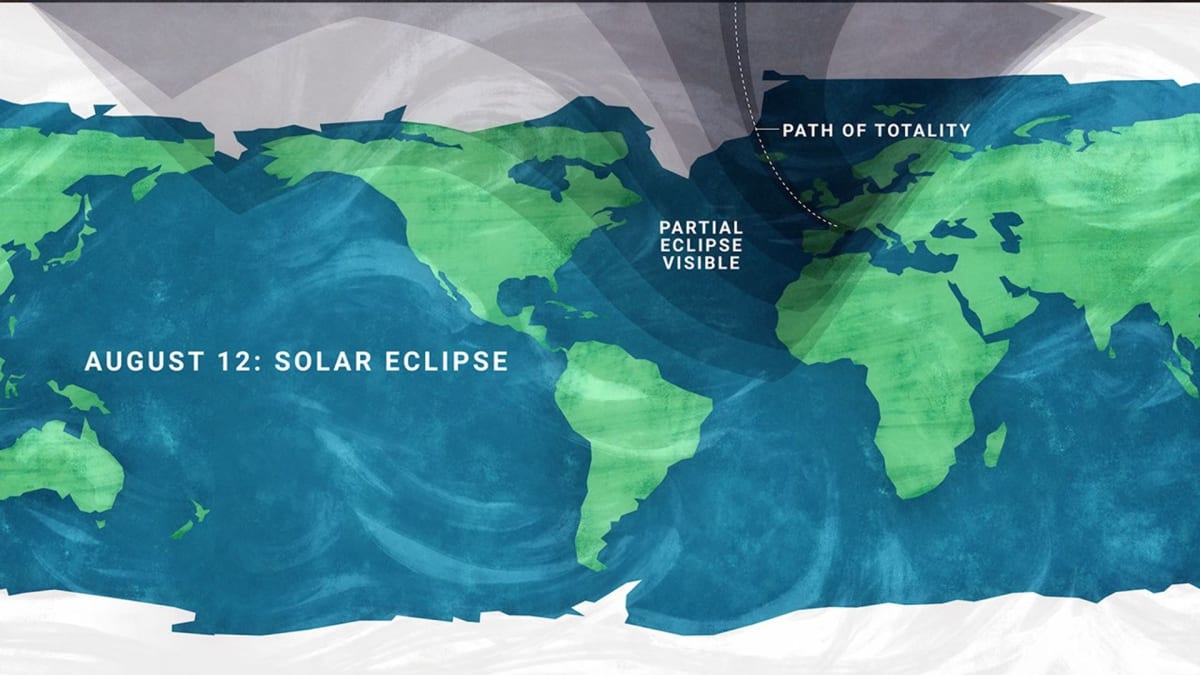
On August 12, a total solar eclipse will sweep across northern Russia, Greenland, Iceland, and northern Spain, with Portugal catching the edge of totality. Parts of the United States from Alaska to North Carolina will see a partial eclipse, though the Moon will only take a small bite out of the Sun.
If you're planning to watch, safety comes first. Use certified eclipse glasses or a safe solar viewer anytime any part of the Sun is visible, and never look through binoculars or telescopes without proper solar filters on the front.
That same night, the Perseid meteor shower peaks under ideal conditions. With the New Moon arriving on August 12, the skies will be perfectly dark for watching these brilliant streaks of light.
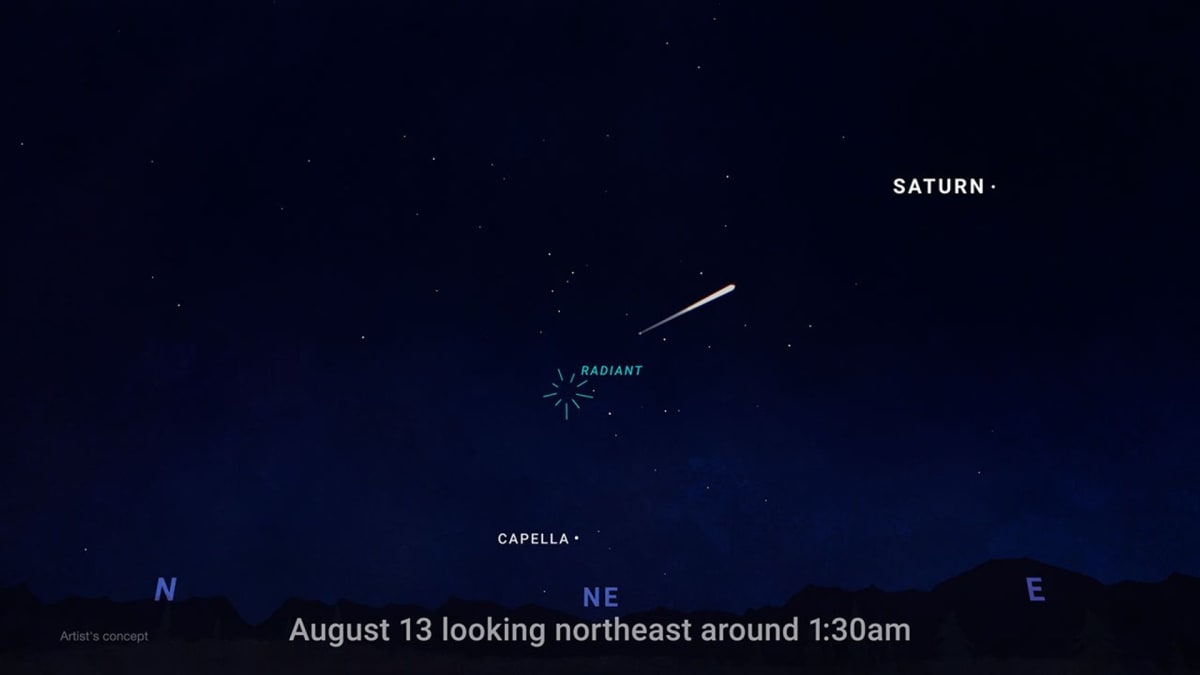
The Perseids happen when Earth passes through debris left behind by Comet Swift-Tuttle. Those tiny bits of comet dust burn up in our atmosphere at high speed, creating bright flashes that can appear anywhere in the sky.
For the best view, head outside after full dark and look toward the northeast for the constellation Perseus. Stay out late, find a dark open spot, and give your eyes 30 minutes to adjust to see the most meteors.
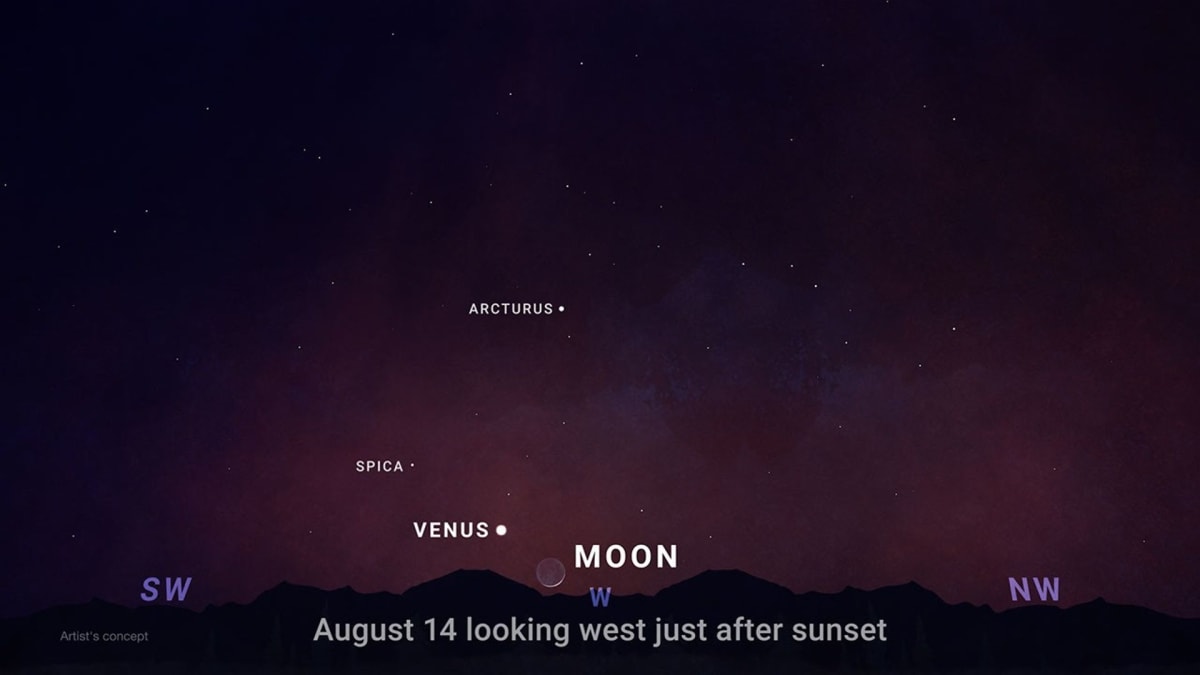
Between August 14 and 16, Venus reaches its greatest eastern elongation, appearing at its brightest in the evening sky. Look low in the western sky shortly after sunset for the brilliant point of light that will outshine every star around it.
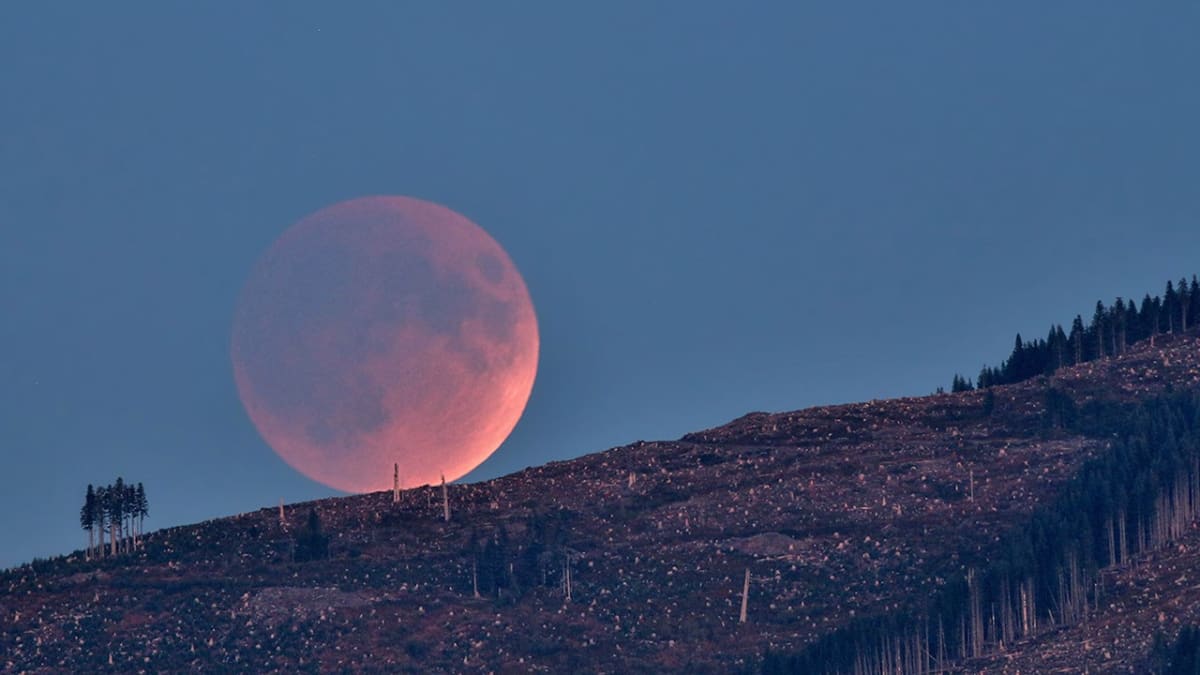
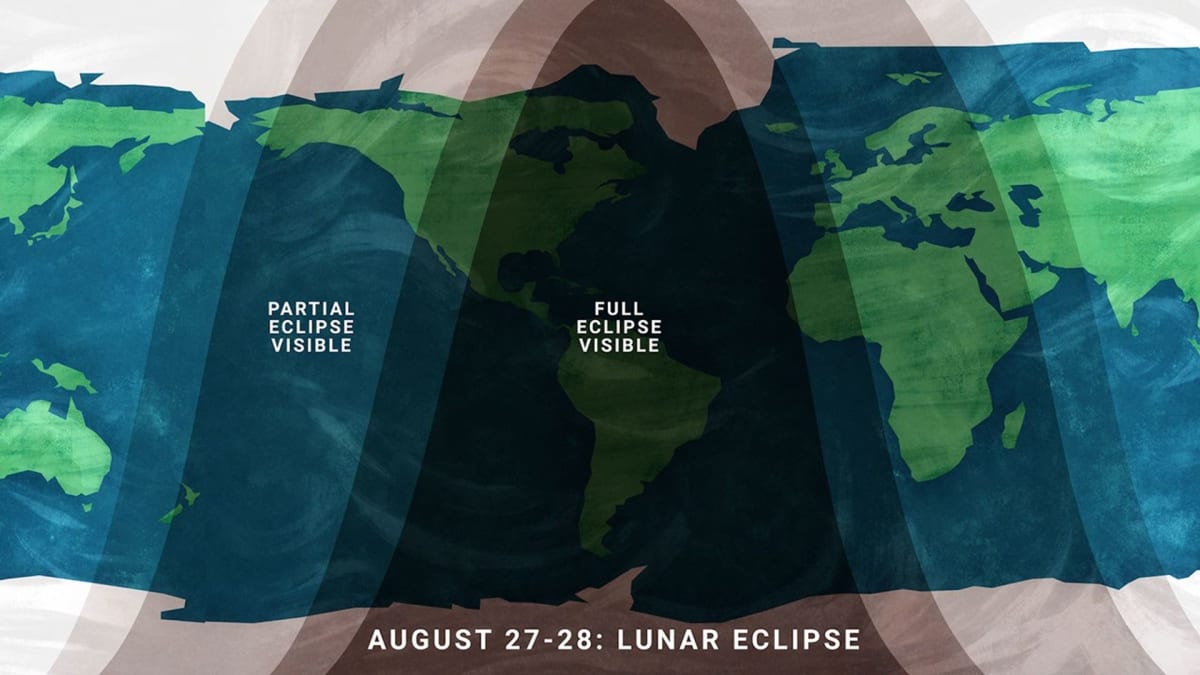
The month closes with another treat on August 27 to 28. A deep partial lunar eclipse will be visible from much of North and South America, plus parts of Europe and Africa.
At maximum eclipse, about 93 percent of the Moon's diameter will slip into Earth's dark central shadow. The Moon will appear dramatically darkened with a rusty, coppery tint along the covered edge.
Why This Inspires
Unlike our everyday concerns, celestial events remind us we're part of something vast and beautiful. These cosmic shows connect people across continents who pause together to look up in wonder.
August 2026 offers four chances to step outside, tilt your head back, and remember how amazing our universe truly is.
More Images
Based on reporting by NASA
This story was written by BrightWire based on verified news reports.
Spread the positivity!
Share this good news with someone who needs it