Aussie App Finds Rare Frogs on 86% Private Land
Everyday Australians using their smartphones are discovering endangered frogs in places scientists rarely reach. Their recordings are rewriting what we know about where threatened species survive.
Across Australia, people with smartphones are solving a conservation mystery that's stumped scientists for decades: where are all the rare frogs hiding?
The answer turns out to be in backyards, farms, and private properties where traditional researchers rarely venture. A new study of nearly half a million frog recordings shows that 86% came from privately owned land, revealing entire populations of threatened species scientists didn't know existed.
The discovery comes from FrogID, a smartphone app created by the Australian Museum that lets anyone record frog calls. Since 2017, citizen scientists in New South Wales have logged almost 500,000 observations, covering twice as much territory as professional surveys and generating ten times more data.
The findings matter because two thirds of Australia is privately owned, yet most conservation research happens on public land like national parks. That's left a massive blind spot in understanding which species are struggling and where.
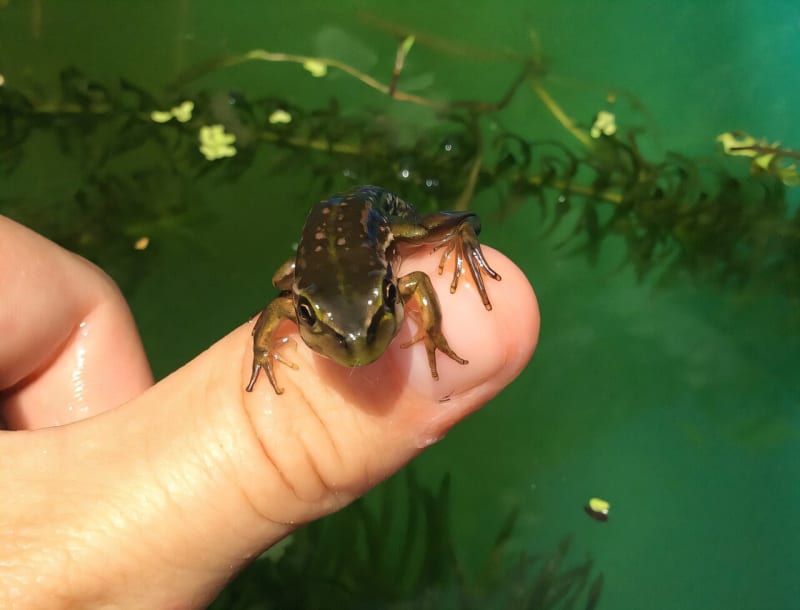
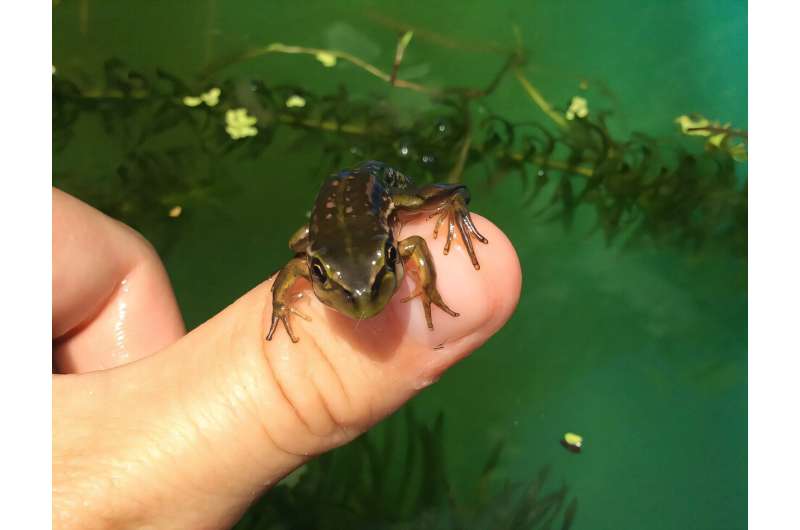
Take the green and golden bell frog, a stunning amphibian that's vanished from 90% of its former range. Nearly three quarters of all NSW recordings came from private property, showing the species is hanging on in places scientists weren't looking.
Sloane's froglet, a tiny endangered frog from inland NSW, appeared in 96% of recordings on private land, mostly around farmland near Albury. Without citizen scientists, researchers would have little idea these populations existed.
The data revealed something surprising: frog diversity was actually higher on private land than in protected areas. Two species were found only on private property, while six appeared exclusively in parks and reserves.
The Ripple Effect
The app is changing conservation in unexpected ways. Remote landholders can now contribute vital data during rare rain events when frogs emerge, even when flooded roads prevent scientists from reaching these areas. Urban families recording frogs in suburban ponds are filling gaps in species maps that would take researchers years to complete.
The project shows that everyday people don't just care about threatened species—they're essential to saving them. Twenty of the 24 threatened frog species in NSW have been recorded on private land, proving conservation can't succeed without landowners as partners.
One in five Australian frog species faces extinction from disease, habitat loss, and climate change. Four species have already disappeared forever, including the unique gastric-brooding frogs that raised their young in their stomachs.
Now, hundreds of thousands of Australians are listening for the survivors, one smartphone recording at a time.
More Images

Based on reporting by Phys.org
This story was written by BrightWire based on verified news reports.
Spread the positivity!
Share this good news with someone who needs it