Austin Wildlife Rescue Sees Early Baby Animal Boom
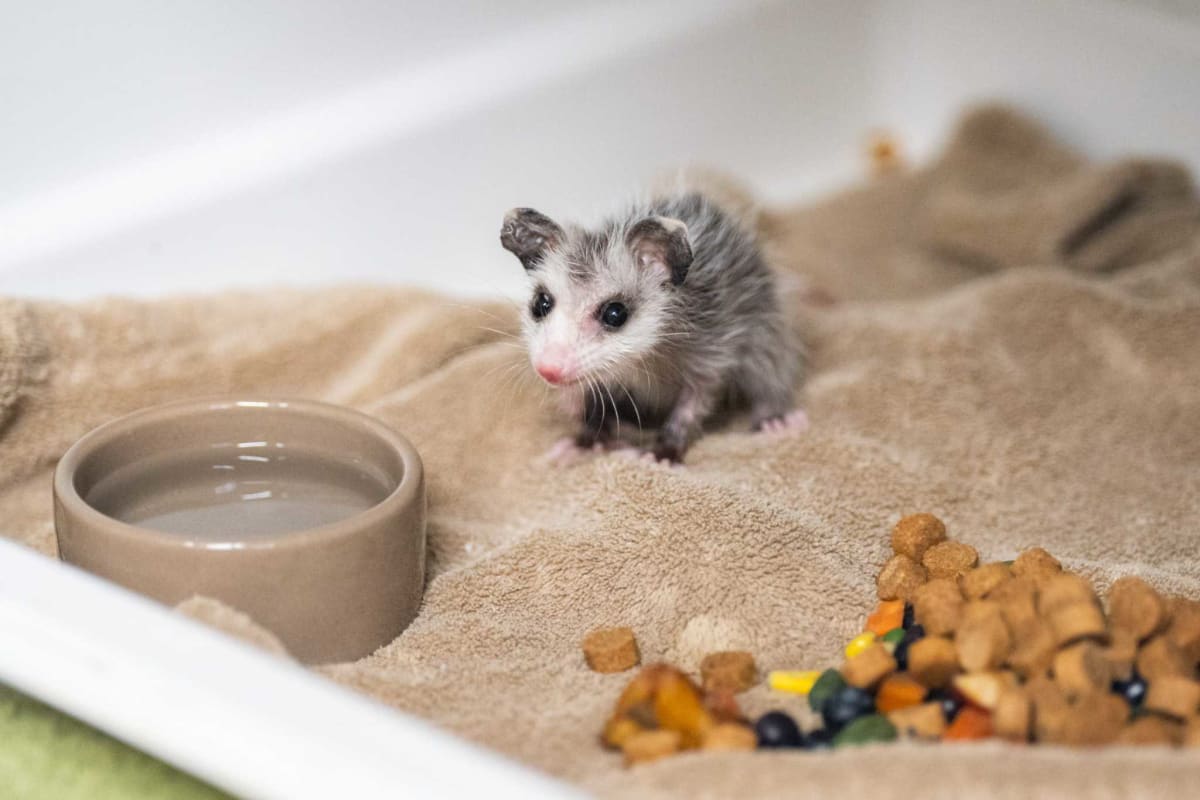
Tiny squirrels, opossums, and even baby armadillos are arriving weeks earlier than usual at Austin Wildlife Rescue, likely thanks to a warmer winter that kicked off breeding season early. The center is already flooded with hundreds of baby animals needing care before their planned release back into the wild.
Baby season came early to Central Texas this year, and Austin Wildlife Rescue is already caring for hundreds of tiny patients.
The nonprofit rescue center, which helps about 11,000 animals annually, is seeing orphaned and injured baby wildlife arrive faster and in larger numbers than normal. Executive Director Jules Maron suspects the warmer winter triggered an earlier breeding season across the region.
"The flood gates have pretty much opened," Maron said. "Especially on opossums."
The reasons these babies need help vary widely. Some baby opossums arrive after their mothers are hit by cars, still safe in her pouch. Others fall victim to curious dogs and cats, while rainstorms knock baby birds from nests or wash young animals from tree hollows.
On one recent day, the rescue had already taken in 30 animals before closing time. The seasonal surge has brought some unexpected patients too, including baby armadillos and even a vulture that hatched from an egg brought to the center.
But Maron wants people to know that not every baby animal found alone needs rescuing. Deer fawns, for instance, are naturally left alone most of the day while their mothers stay away until evening. The rescue staff can often assess situations through photos or video to determine if intervention is truly needed.
The Ripple Effect
When animals do need help, the rehabilitation process becomes a carefully planned journey back to the wild. Baby squirrels and opossums start in warm incubators, then move to heated bins, indoor cages, and finally large outdoor enclosures where they practice climbing, running, and foraging.
The process takes two to three months for most species, though raccoons need about six months before they're ready for release. The rescue works with county officials and private landowners to find ideal release sites, preferably large properties with at least 100 acres and permanent water sources.
The early baby boom means the rescue needs more resources than ever. Feeding wildlife requires constant fresh produce purchases since storage space is limited and fruits and vegetables spoil quickly. Staffing, veterinary care, medicine, and supplies all add up, though the service remains free for people bringing in animals.
People who want to help can volunteer, donate money, or purchase items from the rescue's Amazon wish list. The organization is also planning its annual spring baby shower fundraiser to support the care of all these tiny patients.
Each animal rehabilitated represents a small victory for Central Texas wildlife, and thanks to dedicated staff and community support, hundreds of baby animals will get their second chance at life in the wild.
Based on reporting by Google News - Wildlife Recovery
This story was written by BrightWire based on verified news reports.
Spread the positivity!
Share this good news with someone who needs it